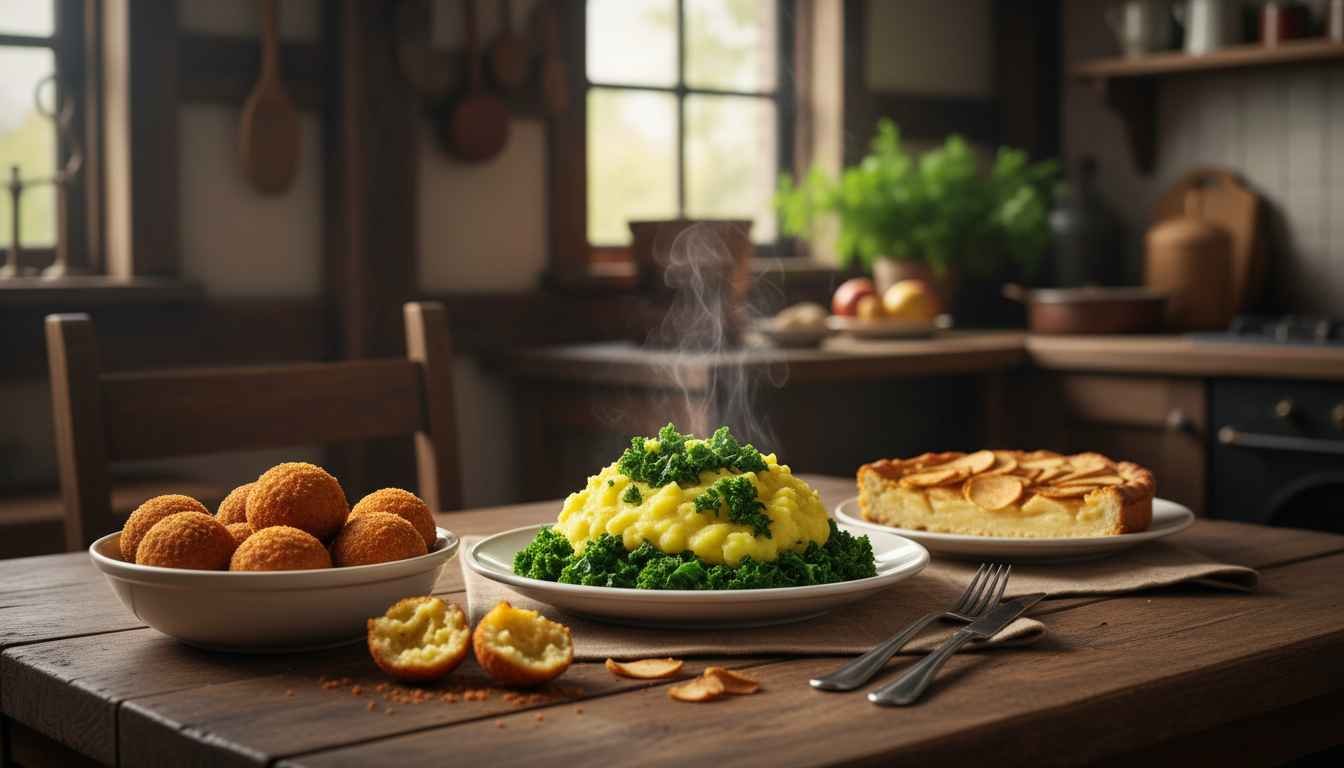
Key Takeaways:
- Experience the hearty and rich flavors of traditional Dutch dishes.
- Master key Dutch cooking techniques with our step-by-step recipes.
- Understand the significance of Dutch ingredients and how they elevate dishes.
- Learn about the cultural roots and history behind Dutch food.
Dutch cuisine is a hidden gem in European cooking. With its hearty, comforting dishes, and emphasis on simple, local ingredients, Dutch food offers a unique and delicious experience. Rooted in the Netherlands’ rich agricultural history, the flavors are deeply influenced by the country’s varied climate, proximity to the sea, and centuries of cultural exchange. From earthy stews to delicate pastries, Dutch cuisine is as diverse as the landscape itself.
Let’s dive into some authentic Dutch recipes that have been perfected over generations. These dishes are more than just food; they are a testament to the rich history and culture of the Netherlands. Whether you’re a novice cook or an experienced chef, these dishes will add a new dimension to your culinary repertoire. Get ready to explore traditional Dutch cooking techniques, ingredient staples, and beloved recipes that define Dutch dining.
Tara Teaspoon brings you expert-tested recipes that allow you to create these authentic Dutch dishes in your own kitchen. Let’s explore the world of Dutch food.
Essential Dutch Ingredients
Before we get into the recipes, let’s first familiarize ourselves with some of the core ingredients in Dutch cuisine. These elements are used consistently across a variety of dishes and are integral to achieving the authentic Dutch flavor profile.
1. Potatoes (Aardappels)
The Dutch love their potatoes. Used in everything from stews to side dishes, potatoes are a cornerstone of many traditional Dutch recipes. They’re often mashed, boiled, or fried to create comforting, satisfying meals.
2. Butter (Boter)
Butter is a staple fat in Dutch cooking, adding richness to both savory and sweet dishes. It’s often used to sauté vegetables, in baking, or simply spread over warm bread.
3. Cabbage (Witlof)
Cabbage is commonly used in Dutch recipes, particularly in the famous “stamppot,” a traditional Dutch dish that combines mashed potatoes with various vegetables. Cabbage adds a slightly bitter yet fresh flavor to balance out the richness of the potatoes.
4. Smoked Sausage (Rookworst)
Smoked sausage is another beloved ingredient in Dutch cuisine. This sausage, which is often served with stews or stamppot, has a distinct smoky flavor that adds depth to any dish.
5. Gouda Cheese
No discussion of Dutch cuisine would be complete without mentioning Gouda cheese. This semi-hard cheese is creamy and flavorful, perfect for slicing on bread, melting over dishes, or enjoying on its own.
Choosing the right dog food is essential for your furry friend’s health and happiness, and with so many options available, it can be overwhelming for pet owners. One brand that has gained attention in recent years is Joy Super Meal Dog Food, known for its variety of recipes tailored to different dietary needs and preferences. In our article, “Joy Super Meal Dog Food: Ranking the Best to Worst Options for Your Pup,” we delve into the various formulations offered by this brand, providing insights into their nutritional benefits and potential drawbacks. For a comprehensive overview of what makes each option unique, check out our detailed ranking of joy super meal dog food choices.
Must-Try Authentic Dutch Food Recipes
1. Stamppot
Stamppot is the quintessential Dutch comfort food. It combines mashed potatoes with a variety of vegetables, most commonly cabbage, carrots, or kale. Often served with smoked sausage or a hearty gravy, this dish is perfect for cold weather.
Ingredients:
- 4 large potatoes, peeled and cubed
- 1 small head of cabbage, shredded
- 1 smoked sausage (Rookworst)
- Butter
- Salt and pepper to taste
Method:
- Boil the potatoes in salted water until tender, about 20 minutes.
- While the potatoes are cooking, steam or sauté the cabbage until soft.
- Drain the potatoes and mash them with butter, adding salt and pepper to taste.
- Fold in the cooked cabbage to the mashed potatoes.
- Serve the stamppot with a slice of smoked sausage and a drizzle of gravy if desired.
2. Dutch Apple Pie (Appeltaart)
A Dutch apple pie is a beautiful combination of tart apples and a buttery, crumbly crust. Often made with cinnamon, raisins, and almonds, it’s the perfect dessert to serve after a hearty Dutch meal.
Ingredients:
- 4 large apples, peeled and sliced
- 1 cup all-purpose flour
- 1/2 cup butter, cold and cubed
- 1/4 cup sugar
- 1/2 teaspoon cinnamon
- 1/4 cup raisins (optional)
- 1/4 cup slivered almonds (optional)
Method:
- Preheat the oven to 350°F (175°C). Prepare a pie pan with a bit of butter or cooking spray.
- In a bowl, mix the flour, sugar, and cinnamon. Cut in the butter until the mixture resembles coarse crumbs.
- Press 2/3 of the dough into the bottom of the pie pan. Arrange the sliced apples on top, adding raisins and almonds if desired.
- Sprinkle the remaining dough over the top, covering the apples.
- Bake for 45-50 minutes, or until the crust is golden and the apples are soft. Allow to cool slightly before serving.
3. Bitterballen
Bitterballen are deep-fried meatballs that are typically served as a snack in Dutch pubs. Made with beef or veal, they are rich, savory, and absolutely irresistible.
Ingredients:
- 2 tablespoons butter
- 1/2 cup flour
- 2 cups beef broth
- 1/2 cup cooked, shredded beef
- Salt and pepper to taste
- Breadcrumbs for coating
- Oil for frying
Method:
- In a saucepan, melt the butter and whisk in the flour to create a roux. Gradually add the beef broth, stirring constantly, until a thick sauce forms.
- Fold in the shredded beef and season with salt and pepper.
- Chill the mixture for at least an hour until firm enough to shape into balls.
- Roll the balls in breadcrumbs and fry in hot oil until golden brown and crispy.
- Serve hot with mustard for dipping.
Who Should Avoid This? Potential Drawbacks
While Dutch cuisine is loved for its heartiness and comfort, some dishes might not be suitable for everyone. Those who are sensitive to gluten, dairy, or potatoes may need to adapt certain recipes or choose alternatives. Additionally, because many Dutch dishes are rich in fats and carbohydrates, they may not align with certain dietary preferences, such as low-fat or low-carb regimens. Always consider your specific dietary needs when preparing these dishes.