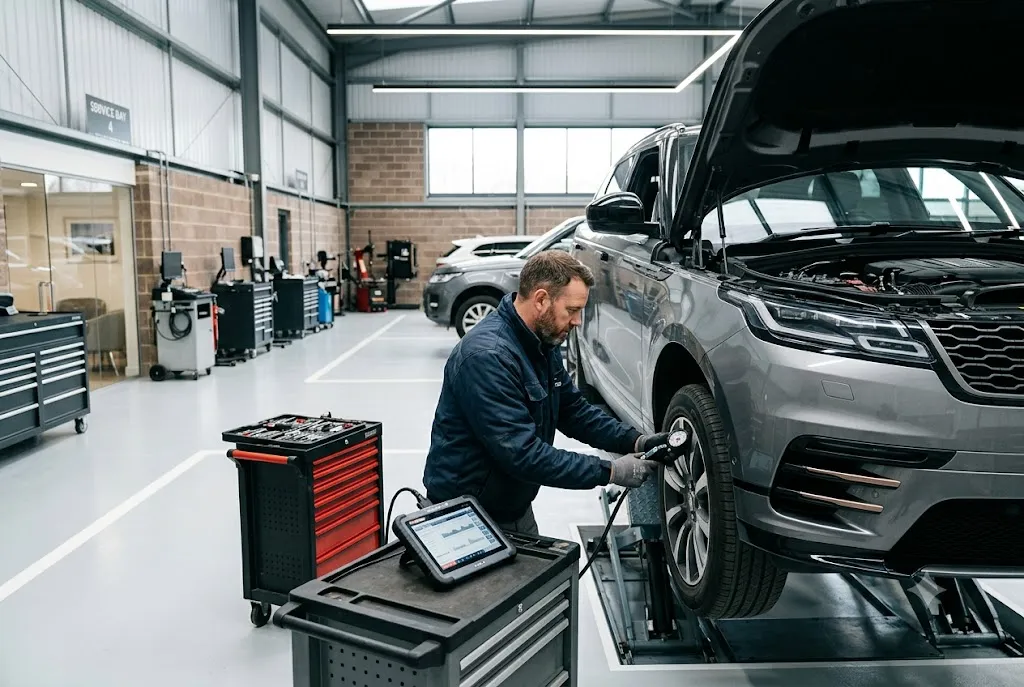
Proper automobile care is one of the most important responsibilities of vehicle ownership. Whether you drive a compact city car, a family SUV, a business vehicle, or an electric car, regular maintenance helps improve reliability, safety, efficiency, and long-term value.
Many costly repairs can be avoided through preventative maintenance and routine inspections. Understanding the fundamentals of vehicle care allows drivers to identify potential problems early and keep their vehicles operating efficiently throughout the year.
A well-maintained vehicle not only performs better but often retains more value when it comes time to sell or trade it in.
Why Automobile Care Matters
Vehicles are complex machines made up of thousands of interconnected components. Daily driving naturally causes wear on mechanical, electrical, and safety-related systems.
Consistent maintenance helps:
- Reduce breakdown risks
- Improve road safety
- Increase fuel efficiency
- Extend vehicle lifespan
- Protect resale value
- Lower long-term ownership costs
Neglecting maintenance often leads to more expensive repairs later.
Routine Vehicle Servicing
Professional servicing forms the foundation of effective automobile care.
Regular inspections allow technicians to identify wear and tear before major faults develop.
Most services include checks of essential systems such as:
- Engine components
- Brake systems
- Tyres and wheels
- Suspension components
- Battery condition
- Fluid levels
- Vehicle lighting
If you’re unsure about the maintenance process, our guide on what does a service include on a car explains what garages typically inspect during routine servicing.
The Importance of an Oil Change of Car
An oil change of car remains one of the most important maintenance tasks for petrol and diesel vehicles.
Engine oil lubricates moving components, reduces friction, helps regulate temperature, and removes contaminants.
Over time, oil degrades and becomes less effective.
Benefits of regular oil changes include:
- Improved engine protection
- Reduced component wear
- Enhanced fuel efficiency
- Better engine performance
- Longer engine lifespan
Following manufacturer recommendations helps ensure optimal engine health.
How Often Should a Vehicle Be Serviced?
One of the most frequently asked maintenance questions is how often servicing should take place.
For many vehicles, servicing is recommended every 12 months or after reaching a specified mileage interval.
However, factors such as driving habits, annual mileage, and vehicle age can affect maintenance requirements.
For detailed guidance, read our article on how often does a car need a service.
Tyre Care and Safety
Tyres are the only point of contact between your vehicle and the road, making them one of the most important safety components.
Drivers should regularly check:
- Tyre pressure
- Tread depth
- Uneven wear
- Visible damage
- Sidewall condition
Proper tyre maintenance improves handling, braking performance, and fuel economy.
Battery Maintenance
Battery problems remain one of the leading causes of vehicle breakdowns.
Regular inspections can help identify:
- Corrosion
- Weak charging performance
- Loose connections
- Age-related deterioration
Addressing battery issues early reduces the likelihood of unexpected starting problems.
Brake System Inspections
Your braking system plays a critical role in vehicle safety.
Warning signs that may indicate brake issues include:
- Squealing noises
- Grinding sounds
- Vibration when braking
- Increased stopping distance
- Brake warning lights
Routine inspections help ensure braking performance remains effective and safe.
Air Conditioning Maintenance
Vehicle air conditioning contributes to both comfort and visibility by helping control cabin temperature and humidity.
If cooling performance declines, professional car air con repairs may be required to restore system efficiency.
Regular maintenance can help prevent more significant climate control issues from developing.
Vehicle Body and Cosmetic Care
Automobile care extends beyond mechanical systems.
Protecting the vehicle’s exterior helps preserve appearance and value.
Recommended practices include:
- Regular washing
- Wax protection
- Prompt scratch repairs
- Paintwork maintenance
- Corrosion prevention
Drivers dealing with cosmetic damage may wish to explore car body work repairs near me to restore their vehicle’s appearance.
Electric Vehicle Maintenance
Electric vehicles require a different approach to maintenance compared with traditional petrol and diesel models.
Although EVs have fewer moving parts, they still require inspections of:
- Battery systems
- Cooling systems
- Tyres
- Brakes
- Software systems
- Electrical components
Owners can learn more about EV servicing and the unique maintenance requirements of electric vehicles.
Maintaining Accurate Service Records
A complete maintenance history provides numerous benefits.
- Supports resale value
- Tracks previous repairs
- Assists diagnostics
- Demonstrates responsible ownership
- May support warranty requirements
Many garages provide a car service sheet documenting completed work and future recommendations.
Understanding Service Costs
Maintenance costs vary depending on vehicle make, model, age, and servicing requirements.
For example, some drivers researching maintenance expenses may compare the cost of a Ford service before planning future vehicle care budgets.
While servicing involves an ongoing investment, preventative maintenance is usually less expensive than major repairs.
Preparing for Your MOT
Routine maintenance can improve the likelihood of passing an MOT test.
Before your annual inspection, check:
- Vehicle lights
- Tyre condition
- Wiper performance
- Fluid levels
- Warning lights
Many motorists compare the best MOT garages near me when arranging their annual testing appointment.
Automobile Care Best Practices
Good maintenance habits do not need to be complicated.
Simple routine checks can significantly reduce the likelihood of mechanical problems.
- Inspect tyres monthly
- Check fluid levels regularly
- Address warning lights promptly
- Follow manufacturer service schedules
- Maintain accurate service records
- Keep the vehicle clean and protected
The UK government also provides useful information regarding vehicle ownership and maintenance through its official vehicle ownership guidance.
Final Thoughts
Effective automobile care involves far more than simply fixing problems when they occur. Regular servicing, routine inspections, oil changes, tyre maintenance, and preventative care all contribute to safer and more reliable vehicle ownership.
By following recommended maintenance schedules and addressing issues promptly, drivers can protect their investment, improve performance, and enjoy greater peace of mind on the road.
Understanding the intricacies of vehicle care extends beyond routine checks and maintenance; it encompasses the meticulous documentation of every service performed. Keeping a comprehensive record not only aids in tracking the vehicle’s health but also serves as a critical tool for preserving its value over time. A well-maintained history can significantly impact resale potential, as prospective buyers often seek assurance of a vehicle’s reliability through verified service records. This is where the importance of a service log book comes into play. By diligently recording maintenance activities, vehicle owners can demonstrate their commitment to care and enhance their vehicle’s marketability while ensuring that they remain informed about their automobile’s needs. Ultimately, consistent documentation works hand-in-hand with preventative maintenance to cultivate a successful ownership experience.
Understanding the intricacies of vehicle maintenance not only empowers owners to keep their cars running smoothly but also plays a pivotal role in financial planning, especially when considering service costs associated with specific brands. For instance, many Ford owners often find themselves grappling with the nuances of their vehicle’s upkeep and the associated expenses. This understanding is crucial, as various factors influence what one might expect to pay for servicing their vehicle. By familiarizing oneself with the expected ford service cost, drivers can proactively manage their budgets, ensuring they maintain their vehicle’s performance while safeguarding its long-term value. In this way, a well-informed approach to automobile care not only enhances operational efficiency but also contributes to more strategic financial decisions for car owners.
As vehicle owners endeavor to optimize the longevity and performance of their automobiles, understanding the legal and procedural requirements surrounding vehicle maintenance becomes paramount. In particular, new car owners must be aware of their obligations regarding periodic inspections, including the initial mandatory testing that ensures compliance with safety and environmental standards. For instance, knowing when to schedule an MOT can help prevent lapses in vehicle legality and enhance the car’s overall reliability. Such early considerations are crucial, especially for those looking to maintain their investment in high-value assets. To delve deeper into the specifics of these requirements, including the timing and implications of the first test for mot new cars, is essential for every responsible owner aiming to safeguard their vehicle’s performance and value.
Understanding the intricacies of your vehicle’s maintenance is crucial for ensuring its longevity and optimal performance. As vehicle technology advances, so too does the complexity of the care required to keep them running smoothly. This is where a systematic approach becomes invaluable. By adhering to a well-defined car maintenance schedule, vehicle owners can navigate the various service intervals and inspections necessary for their specific make and model. Such a structured regimen not only mitigates the risk of unexpected breakdowns but also enhances safety and efficiency, ultimately safeguarding your investment in the long run. Regular upkeep empowers drivers to stay ahead of potential issues, fostering a deeper understanding of their vehicle’s needs and ensuring they are always ready for the road ahead.