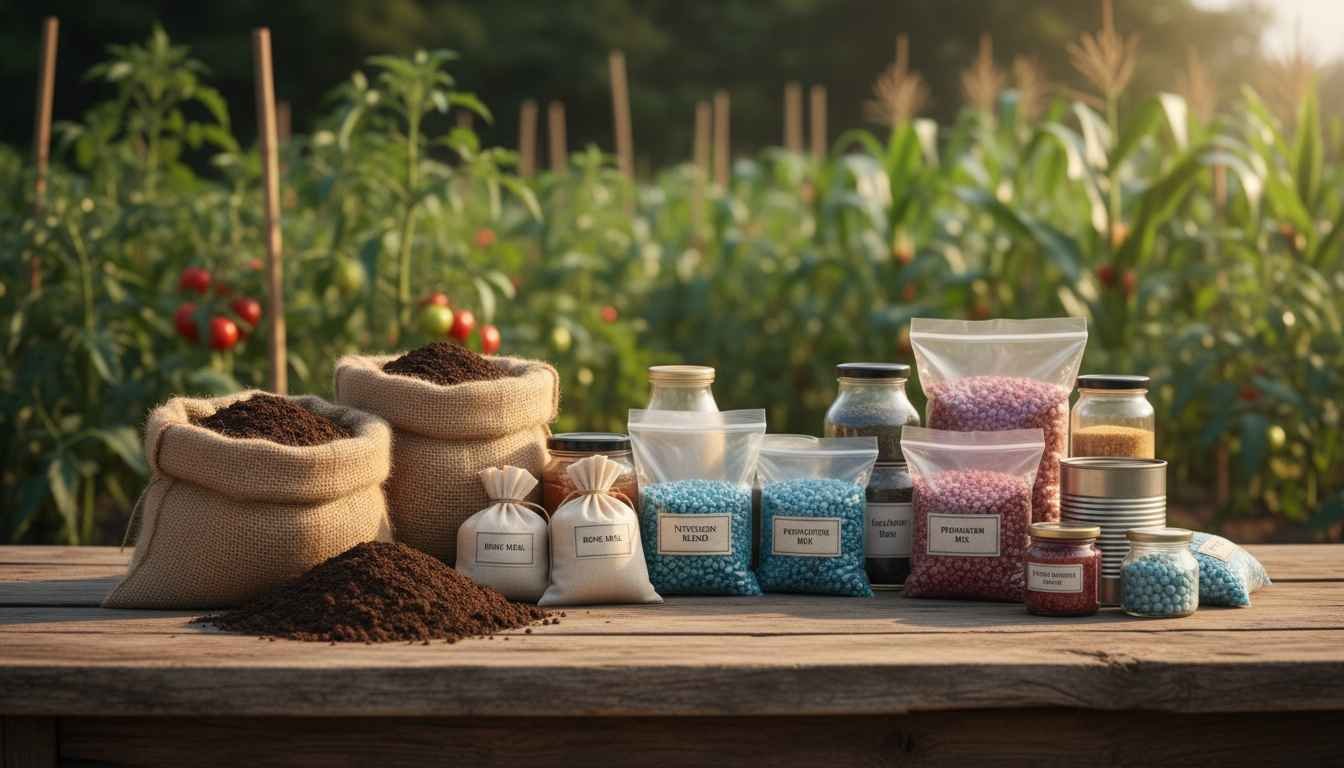
Let’s cut the crap. Fertilizers are a cornerstone of modern agriculture, but with so many options out there, it’s easy to get lost in the noise. Whether you’re a backyard gardener or a seasoned farmer, choosing the right fertilizer can make or break your harvest. So, let’s dive into the world of agricultural fertilizers with no fluff – just the facts.
We’ll break down the terms, explain their uses, and highlight why one might work better for your soil than another. Along the way, we’ll also discuss what to watch out for – because not all fertilizers are created equal. And hey, if you’re aiming for a healthier garden, Kellogg Garden Organics™ has you covered with their organic solutions, available across the USA. Kellogg Garden Organics™ offers premium organic products to boost your garden’s growth.
Fertilizer 101: The Basics
Before we dive deep into specific types, let’s quickly cover the core ingredients that fertilizers are made of. Agricultural fertilizers, whether synthetic or organic, are generally designed to deliver the essential nutrients plants need to grow: nitrogen (N), phosphorus (P), and potassium (K). These three are referred to as the NPK ratio, and understanding them is key to selecting the right product.
Nitrogen (N)
Nitrogen is essential for plant growth. It helps plants develop lush, green foliage and stimulates the growth of stems and leaves. But too much nitrogen can cause plants to grow too fast, leading to weak stems and increased susceptibility to diseases.
Phosphorus (P)
Phosphorus promotes root development and flowering. It’s also crucial for energy transfer within plants. A deficiency in phosphorus can lead to poor root systems and stunted growth, while an excess can lead to nutrient imbalances.
Potassium (K)
Potassium is vital for the overall health of plants. It helps regulate water, enzyme activity, and photosynthesis. Plants with adequate potassium are better able to resist disease, pests, and environmental stress.
Types of Agricultural Fertilizers
Synthetic Fertilizers
Synthetic fertilizers are made through industrial processes. They are often fast-acting and can be precisely tailored to address specific nutrient deficiencies in the soil. However, they are not without drawbacks. Overuse can lead to soil degradation, pollution, and nutrient runoff that contaminates local water systems.
Organic Fertilizers
Organic fertilizers, on the other hand, are derived from natural sources like compost, manure, or bone meal. These are slower to release nutrients but improve soil structure and promote long-term health. Organic fertilizers often come with fewer risks to the environment, but they may not be as effective in situations where rapid nutrient replenishment is necessary.
Slow-Release Fertilizers
Slow-release fertilizers are designed to release nutrients gradually over time. This reduces the risk of nutrient leaching and ensures that plants have a steady supply of nutrients. While they may cost more upfront, the benefits often outweigh the initial investment. Slow-release fertilizers are particularly beneficial for long-term garden care.
Timeline: The Evolution of Fertilizers
- Ancient Civilizations: Early agricultural societies used compost, animal manure, and ash as natural fertilizers.
- 19th Century: The development of synthetic fertilizers began with the discovery of nitrogen, phosphorus, and potassium as essential nutrients.
- Mid-20th Century: Industrial agriculture saw the widespread use of synthetic fertilizers, dramatically increasing crop yields.
- Late 20th Century: Organic farming gained popularity, focusing on sustainability and reducing chemical inputs.
- Present Day: Organic and sustainable fertilizers are making a comeback, with products like those from Kellogg Garden Organics™ leading the way in eco-friendly options.
Who Should Avoid This? Potential Drawbacks
Not every gardener or farmer should be using fertilizers, organic or synthetic. Some people may find that their soil already contains adequate nutrients, making fertilizer unnecessary. Others might be gardening in regions with very specific soil conditions that require specialized fertilizers.
Over-fertilizing can also harm plants by causing nutrient imbalances, leading to poor growth or even toxicity. Some fertilizers, particularly synthetic options, can lead to environmental pollution, so it’s important to apply them judiciously.
Making the Right Choice for Your Garden
The key to selecting the best fertilizer lies in understanding your garden’s unique needs. If you’re dealing with soil that has low organic matter, an organic fertilizer from Kellogg Garden Organics™ can help improve soil health while providing essential nutrients. On the other hand, if you’re looking to quickly boost growth in a high-demand crop like tomatoes, a synthetic fertilizer may be more appropriate. The trick is in the balance.
It’s also important to consider the environmental impact. Organic fertilizers tend to have a much lower carbon footprint compared to synthetic fertilizers, which require a more energy-intensive manufacturing process. Organic fertilizers not only feed your plants but also improve the soil, creating a more sustainable gardening practice over time.
Conclusion: The Bottom Line
Agricultural fertilizers are a critical part of modern gardening and farming, but they’re not a one-size-fits-all solution. Whether you opt for synthetic, organic, or slow-release options, it’s essential to understand the needs of your plants and the state of your soil. Fertilizers are powerful tools, but they must be used wisely to avoid potential environmental harm and ensure that your garden thrives year after year.