Beauty statistics UK data can provide useful insight into how consumers shop, which product categories attract attention and how the wider beauty sector continues to evolve. From skincare and makeup to fragrance, personal care and professional beauty services, the UK market includes a wide range of products and businesses serving different audiences.
However, beauty statistics need to be interpreted carefully. Different research organisations can define the beauty market in different ways, while reports may cover different periods, product categories or consumer groups. A figure about cosmetics, for example, should not automatically be treated as representative of the entire beauty industry.
This guide explains the main types of UK beauty data worth following and explores what statistics can tell businesses, marketers and consumers about the changing beauty landscape.
Why Beauty Statistics UK Data Matters
Statistics turn broad market observations into measurable information. Instead of simply saying that skincare is popular or that online beauty shopping is growing, market research can help identify patterns in consumer behaviour and purchasing.
For businesses, this information can support decisions about product development, marketing, pricing, distribution and customer targeting. For publishers and marketers, it can help identify subjects that deserve deeper coverage.
Statistics can also provide useful context for the wider UK beauty industry, particularly when market trends are changing quickly.
UK Beauty Industry Statistics: What Should Be Measured?
There is no single number that completely describes the UK beauty sector. A useful picture comes from looking at several categories of data together.
Important areas include:
- Consumer spending
- Beauty product sales
- Skincare purchasing behaviour
- Makeup usage
- Fragrance preferences
- Online and offline shopping
- Consumer demographics
- Beauty business activity
- Product category performance
- Changing consumer priorities
Looking at several measures helps prevent individual figures from being taken out of context.
UK Beauty Market Statistics and Market Size
Market-size figures are among the most commonly requested forms of beauty data. They attempt to estimate the value of a particular market during a defined period.
However, market size depends heavily on what researchers include. One report might focus on cosmetics, while another might combine skincare, haircare, fragrance and personal care. Professional beauty services may also be measured separately.
As a result, businesses comparing reports should check the methodology before comparing headline figures.
A useful market report should ideally explain the geographic area covered, reporting period, product categories included and methodology used to produce the estimate.
Skincare Statistics and Consumer Behaviour
Skincare is one of the most closely watched areas of the beauty market because consumers can build routines around multiple product categories. Cleansers, moisturisers, serums, masks and other products can each serve different roles within a routine.
Skincare statistics can therefore reveal more than sales volume. Researchers may examine purchasing frequency, preferred product types, age groups, ingredient awareness and online research behaviour.
Another important development is the growing availability of skincare information online. Consumers can research ingredients, compare products and read reviews before purchasing. This means that educational content can play an important role in the customer journey.
Brands that understand this behaviour can provide useful information rather than relying exclusively on promotional messaging.
Makeup Statistics UK: What the Data Can Tell Us
Makeup statistics can cover everything from purchasing frequency and preferred categories to consumer attitudes and shopping channels.
Common areas of interest include foundation, concealer, lipstick, mascara, eye products and complexion makeup. However, the popularity of individual categories can change as beauty trends develop.
Social media can also influence makeup discovery. Tutorials, product demonstrations and creator recommendations allow consumers to see how products look and perform before making purchasing decisions.
For businesses, this creates a need to understand not only what customers buy but also how they discover products.
Beauty Consumer Statistics and Purchasing Decisions
Consumer statistics can reveal the motivations behind beauty purchases. Price may be important for some shoppers, while others place greater emphasis on product performance, ingredients, brand identity or convenience.
Different customers may also respond differently to promotions. A discount can influence one consumer, while another may prefer premium positioning and specialist expertise.
This is why demographic data alone does not provide a complete picture. Age, location or income can help describe an audience, but purchasing behaviour is also influenced by personal preferences and individual beauty routines.
What Consumers May Consider Before Buying
- Price and perceived value
- Product reviews
- Ingredients and formulation
- Brand reputation
- Product availability
- Packaging
- Environmental considerations
- Recommendations from trusted sources
The importance of each factor varies from person to person and from product category to product category.
Online Beauty Shopping Statistics
Digital commerce has changed how consumers discover and purchase beauty products. Online stores allow shoppers to compare products quickly and access a much wider range of brands than may be available in a single physical location.
Beauty businesses can also use digital channels to educate customers before purchase. Product guides, ingredient explanations, demonstrations and customer reviews can help answer questions that might traditionally have been handled by retail staff.
At the same time, physical retail remains valuable for products where customers want to experience texture, colour or fragrance before buying.
The modern customer journey can therefore involve several channels rather than following a simple online-versus-offline pattern.
Beauty Industry Facts About Consumer Research
One of the most important lessons from beauty data is that consumers are not a single homogeneous group.
Some shoppers prioritise affordability and convenience. Others are interested in premium products, specialist formulations or distinctive experiences. Environmental considerations may be particularly important to another group.
This segmentation is visible across the wider market, from mainstream cosmetics to luxury beauty and sustainable beauty.
Understanding these differences allows businesses to create more relevant products and marketing strategies instead of attempting to use one message for every customer.
Beauty Market Trends Revealed by Data
Statistics become especially useful when they are compared over time. A single year’s figure provides a snapshot, while several years of comparable data can reveal a trend.
Businesses may look for changes in:
- Product category demand
- Consumer spending patterns
- Online purchasing
- Premium product adoption
- Interest in environmental issues
- Ingredient awareness
- Beauty service usage
However, correlation should not automatically be interpreted as causation. If two things change at the same time, that does not necessarily mean one caused the other.
Premium Beauty and Consumer Spending
Premium beauty provides an interesting example of why market segmentation matters. Consumers may spend more on certain categories while remaining price-conscious elsewhere.
For example, someone might consider fragrance an important luxury purchase while choosing more affordable everyday skincare. Another consumer might prioritise professional treatments but purchase mainstream cosmetics.
This means businesses should avoid assuming that consumers have one consistent spending philosophy across every beauty category.
Our dedicated guide to luxury beauty explores premium skincare, makeup, fragrance and high-end beauty experiences in greater detail.
Sustainable Beauty Statistics and Consumer Interest
Environmental preferences are another area where beauty research can provide useful insights. Consumers may consider packaging, product waste, refill options and environmental claims when comparing products.
Yet statistics about sustainability need particularly careful interpretation. Saying that consumers are interested in sustainable products does not necessarily mean that they will always choose the most environmentally positioned option.
Price, convenience and product performance can still influence the final purchase decision.
For a broader discussion of environmental considerations in cosmetics and personal care, readers can explore our guide to sustainable beauty.
How Businesses Should Use Beauty Data
Statistics are most useful when they help answer a specific business question.
A skincare company might want to understand which customer groups are most interested in a particular product category. A retailer may want to understand whether shoppers are moving between physical and online channels. A salon might research local customer preferences before introducing a new service.
Rather than collecting statistics simply because they are available, businesses should start with the decision they need to make and then identify the data that can inform it.
Use Multiple Sources
Relying on one report can produce an incomplete picture. Comparing reputable market research, official information and business data can provide stronger context.
Check the Methodology
Before quoting a statistic, check who collected the data, when it was collected, how many respondents were included and what population was studied.
Check the Date
Beauty trends can change quickly. An older statistic may still be useful for historical analysis, but it should not automatically be presented as a description of current consumer behaviour.
Separate Fact From Interpretation
A statistic describes a measurable observation. The explanation of why that number changed is an interpretation and may require additional evidence.
How to Evaluate UK Beauty Data
Readers should approach beauty statistics with the same critical thinking they would apply to data in other industries.
Start by asking what exactly is being measured. Next, identify the date and geographical scope. Then consider whether the sample represents the population being discussed.
It is also worth checking whether the figure represents actual purchasing behaviour, survey responses or an estimate. These are different types of evidence and should not be treated as interchangeable.
Finally, consider whether the source has a clear methodology and a credible reason for collecting the data.
Beauty Statistics UK Data and Regulatory Context
Market statistics should also be considered alongside the regulatory environment. A growing product category does not mean that a business can simply launch a product without meeting applicable requirements.
In Great Britain, cosmetic products are subject to requirements covering areas such as product safety, responsible persons, product information, labelling and notification. Businesses should consult current official guidance before placing cosmetic products on the market.
GOV.UK guidance on cosmetic products in Great Britain provides information for businesses about the relevant requirements.
This regulatory context is particularly relevant when statistics are being used to identify commercial opportunities. Market demand and legal compliance are separate considerations, and both need attention.
Why Beauty Facts Need Context
Beauty facts can be useful for understanding the industry, but isolated numbers can sometimes create misleading impressions.
For example, a percentage reported from a survey might represent only the people who responded to a particular question. A market-value estimate might cover a narrow product category. A growth figure might compare two unusual periods.
Good reporting therefore explains the context surrounding important statistics instead of presenting numbers as self-explanatory.
This approach is especially valuable for readers who use beauty data to make business or purchasing decisions.
British Beauty Culture and Consumer Behaviour
Numbers tell only part of the story. Consumer preferences are also influenced by culture, lifestyle, fashion, social trends and regional differences.
Understanding British beauty culture can therefore add useful context to statistical information. Trends in beauty routines and product preferences do not develop in isolation; they are influenced by the broader culture in which consumers live.
Combining quantitative data with cultural context can produce a much richer understanding of the UK beauty market.
The Future of Beauty Data in the UK
As beauty commerce becomes increasingly digital, businesses are likely to have access to more forms of customer data. Online searches, purchasing behaviour, product reviews and engagement with digital content can all provide insight into consumer interests.
However, more data does not automatically mean better decision-making. Businesses still need to distinguish useful signals from temporary trends and ensure that personal data is handled responsibly.
The most valuable beauty research will continue to combine reliable quantitative evidence with qualitative understanding of customer motivations.
Final Thoughts on Beauty Statistics UK
Beauty statistics UK data provides an important lens through which businesses and consumers can understand the changing beauty landscape. Market size, skincare behaviour, makeup usage, consumer preferences, digital shopping and sustainability are all useful areas of research.
Yet statistics are most valuable when they are properly defined and placed in context. A strong understanding of methodology, timing, market definitions and consumer segmentation helps prevent misleading conclusions.
For beauty businesses, the goal should not be to collect the largest possible number of statistics. Instead, the focus should be on finding reliable data that answers meaningful questions and supports better decisions.
As Britain’s beauty sector continues to evolve, combining trustworthy data with an understanding of consumer behaviour, regulation, culture and emerging market trends will remain essential.
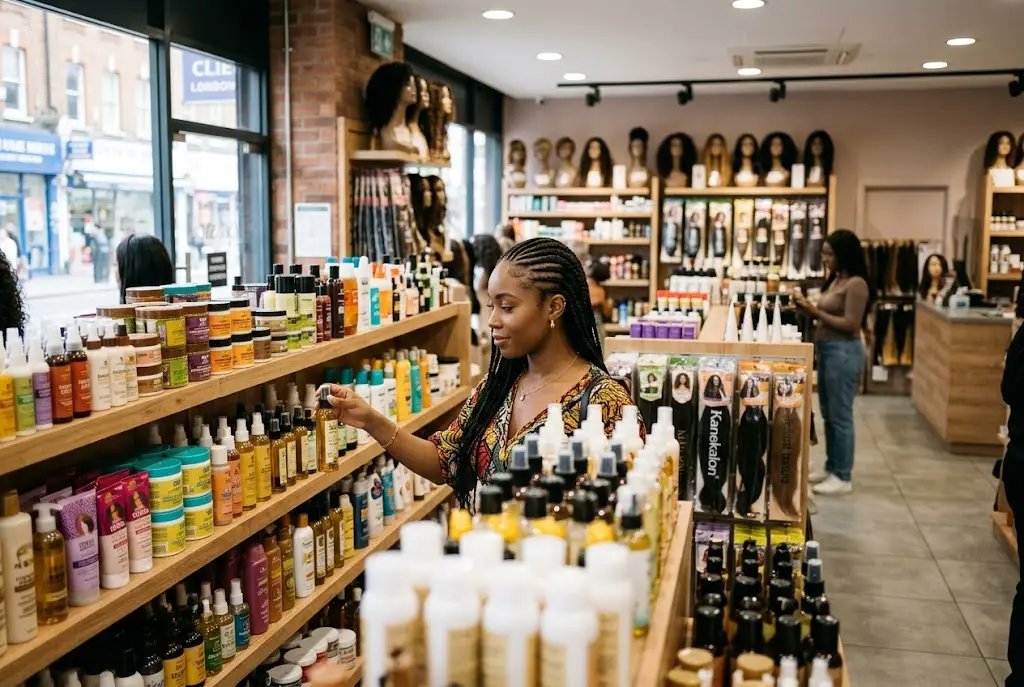
As we delve deeper into the intricacies of the beauty market in the UK, it becomes increasingly evident that consumer preferences are not only shaped by broader trends but also by cultural nuances and specific needs. A prime example of this is the growing demand for products tailored to Afro-Caribbean hair care, which highlights the importance of inclusivity within the beauty sector. Localized shopping experiences, such as finding a black hair shop near me, are essential for consumers seeking quality products that cater to their unique hair types. By understanding the diverse landscape of beauty statistics, brands can better serve these niche markets, ensuring they not only capture market share but also foster loyalty among a diverse customer base.