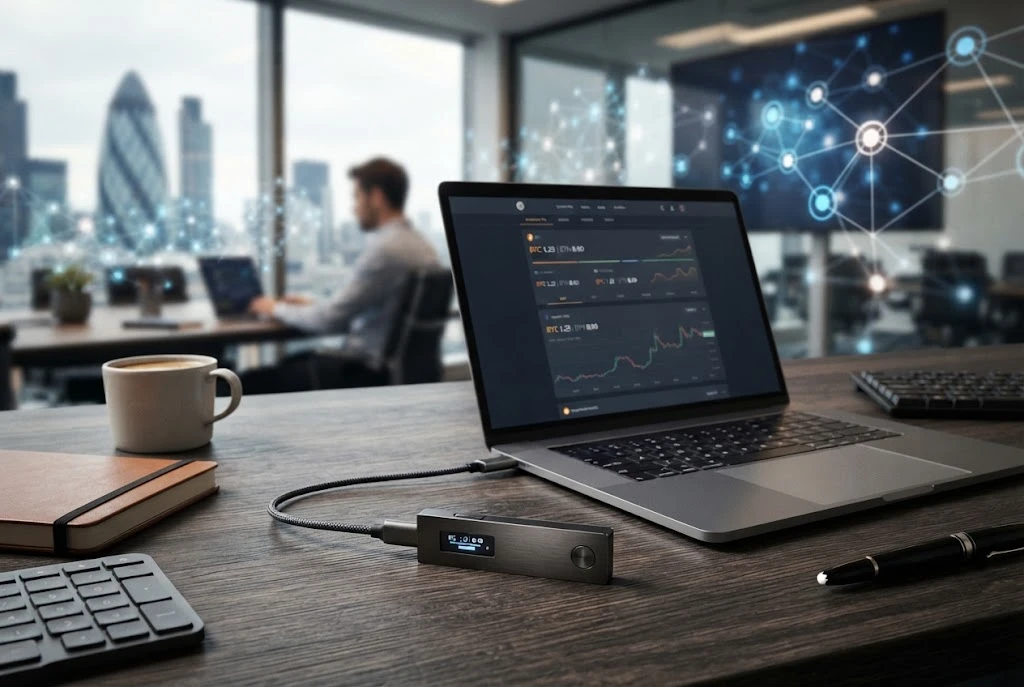
Choosing the best UK cryptocurrency wallet is about more than finding an app with a clean interface. A cryptocurrency wallet is part of the wider infrastructure used to access, manage and protect digital assets, so security, usability, compatibility and control all matter. For UK users, it is also important to understand how wallet services fit into the developing cryptocurrency regulatory environment.
The right wallet depends on how you intend to use cryptocurrency. Someone making occasional purchases may prioritise simplicity, while a more active user may need broader asset support, transaction controls and stronger self-custody features. Understanding how hardware cryptocurrency wallet technology works can also help when comparing software-based options with offline storage.
What Makes the Best UK Cryptocurrency Wallet?
There is no single wallet that is automatically the best choice for every user. Instead, the best option should match your level of experience, the assets you hold and how frequently you need to access them.
A good cryptocurrency wallet should make essential tasks straightforward while providing appropriate security controls. Depending on the product, these may include private-key management, recovery mechanisms, transaction confirmation features, address management, network compatibility and protection against unauthorised access.
For UK users, it is useful to separate the wallet itself from the platform used to purchase or exchange cryptoassets. An exchange account, for example, may provide access to cryptocurrency without giving the user the same degree of direct control associated with self-custody.
Understanding Crypto Wallet Technology
Modern crypto wallet technology is designed around the management of cryptographic credentials rather than simply storing coins in the way a physical wallet stores cash. A wallet generally provides the tools needed to interact with blockchain networks and authorise transactions.
This distinction is important because cryptocurrency ownership and wallet access depend heavily on private keys or other forms of credential control. If a user loses access to the credentials required to control an asset, recovering the asset may be difficult or impossible.
Software wallets can be delivered through mobile applications, desktop programs or browser-based interfaces. Their accessibility makes them convenient for everyday transactions, but users should carefully consider how the device, application and credentials are protected.
For people holding larger amounts or looking for a different custody approach, cryptocurrency wallet security deserves separate consideration. Security is not simply a feature of the application; it also depends on how the user manages devices, credentials, recovery information and transactions.
Software Wallets vs Self-Custody
One of the most important decisions is whether you want to control your cryptoassets directly or rely on a third-party platform for some or all custody functions.
With self-custody, the user takes greater responsibility for controlling the credentials associated with their assets. This can provide more direct control, but it also means that mistakes involving recovery information, malicious software or fraudulent transactions can have serious consequences.
Third-party platforms can offer convenience and familiar account-management features. However, users should understand the difference between holding assets through a service and controlling them through their own wallet.
FCA research has found that UK cryptoasset users have commonly kept their assets on the exchange where they purchased them. In its 2024 research, 72% of surveyed cryptoasset users reported storing cryptoassets at the exchange they bought them from, while 17% reported using cold storage.
Security Features to Consider
Security should be one of the first factors considered when evaluating the best UK cryptocurrency wallet. A wallet may look professional, but appearance alone says little about how well it protects access credentials.
Look for security features and practices such as strong authentication, secure recovery processes, transaction confirmation controls and appropriate protection for private keys. Users should also consider whether the wallet allows them to review transaction details before authorising a transfer.
Device security matters too. A well-designed wallet can still be exposed if the user’s computer or smartphone has been compromised. Keeping operating systems and wallet applications updated, avoiding suspicious downloads and protecting account credentials are therefore important parts of digital asset management.
Recovery information deserves particular attention. Users should never casually share recovery phrases or private keys with another person or enter them into an unfamiliar website. Legitimate wallet providers generally do not need a user’s secret recovery information simply to provide routine support.
Compatibility and Supported Assets
Not every cryptocurrency wallet supports every blockchain or digital asset. Before choosing a wallet, check whether it supports the networks and assets you actually intend to use.
Compatibility becomes increasingly important as users move between different blockchain ecosystems. A wallet designed primarily for one network may not provide the same functionality for assets operating on another network.
It is also worth checking whether the wallet supports the transaction types you expect to use. Sending, receiving, swapping or interacting with decentralised applications may require different capabilities, depending on the wallet and blockchain involved.
Ease of Use Matters for Everyday Crypto
Security and functionality are important, but usability should not be overlooked. A complicated interface can increase the possibility of user error, particularly when dealing with long wallet addresses, network selections and irreversible transactions.
The best UK cryptocurrency wallet for an everyday user should make routine actions understandable without hiding important information. Clear transaction details, understandable network options and straightforward account recovery processes can make cryptocurrency management easier.
Before sending funds, users should carefully verify the destination address and network. A simple interface should never encourage users to rush through transactions simply because the process looks easy.
Digital Asset Management Beyond the Wallet
Digital asset management involves more than choosing an application. Users also need a consistent approach to recording transactions, protecting credentials, reviewing holdings and deciding how different assets should be accessed.
For example, someone holding cryptocurrency for occasional payments may have different requirements from an investor managing several assets across multiple networks. Similarly, a business handling digital assets may need stronger operational controls than an individual using cryptocurrency casually.
Keeping wallet information organised can also help reduce mistakes. Users should know which wallets they operate, which networks they support and where recovery information is securely maintained.
UK Cryptocurrency Regulation and Consumer Awareness
The regulatory environment surrounding cryptoassets in the UK is developing. The FCA states that cryptoasset activities are moving into a broader regulatory framework, with new regulated activities under the Financial Services and Markets Act 2000 (Cryptoassets) Regulations 2026 scheduled to take effect from 25 October 2027.
For consumers, this means it is important to distinguish between a wallet product, a cryptoasset exchange and other services involved in buying, selling or safeguarding cryptoassets. Different activities can fall under different regulatory requirements.
The FCA also warns that cryptoassets remain high risk and that consumers should understand the possibility of losing money. Its rules for cryptoasset promotions require firms marketing qualifying cryptoassets to UK consumers to follow the applicable financial promotions regime.
Anyone evaluating a wallet or associated crypto service should therefore research the provider carefully rather than assuming that a product is protected simply because it is available to UK consumers.
How to Choose a Cryptocurrency Wallet
A practical comparison can begin with five questions:
- Does the wallet support the cryptocurrencies and networks you need?
- How are private keys and recovery credentials handled?
- Does the security model match the value and frequency of your transactions?
- Is the interface clear enough to reduce avoidable transaction errors?
- What additional services or third parties are involved in buying, selling or transferring assets?
Answering these questions can narrow down the options without relying on a generic ranking. The right choice should reflect your own requirements rather than simply following the most popular wallet name.
When to Consider Hardware Wallets
Software wallets can be convenient for everyday access, but some users may want a dedicated device for additional separation from their everyday computer or smartphone. This is where hardware wallets and cold-storage approaches become relevant.
A hardware wallet can provide a different security architecture from a conventional software wallet. However, it does not remove the need for careful security practices. Users still need to protect recovery credentials, verify transactions and purchase hardware from trustworthy sources.
If you are considering moving beyond software wallets, the next stage of this cryptocurrency cluster covers the best hardware cryptocurrency wallet and the technology behind dedicated cold-storage devices.
Final Thoughts
The best UK cryptocurrency wallet is ultimately the one whose security model, supported assets, usability and custody approach fit the user’s needs. There is no universal solution for every cryptocurrency holder.
Start by understanding who controls the relevant credentials, how transactions are authorised and what happens if access is lost. Then consider compatibility, ease of use and the wider service ecosystem surrounding the wallet.
As the UK cryptoasset market develops, consumers should also pay attention to regulatory information and the status of the services they use. A thoughtful approach to wallet selection can make digital asset management more organised while reducing avoidable security and operational risks.
For users exploring the broader cryptocurrency ecosystem, wallet software is only one part of the picture. Hardware security, payment infrastructure and card-based purchasing all involve different considerations and will be covered separately within this cluster.
For current UK regulatory information, readers can consult the Financial Conduct Authority’s cryptoasset regulatory guidance.