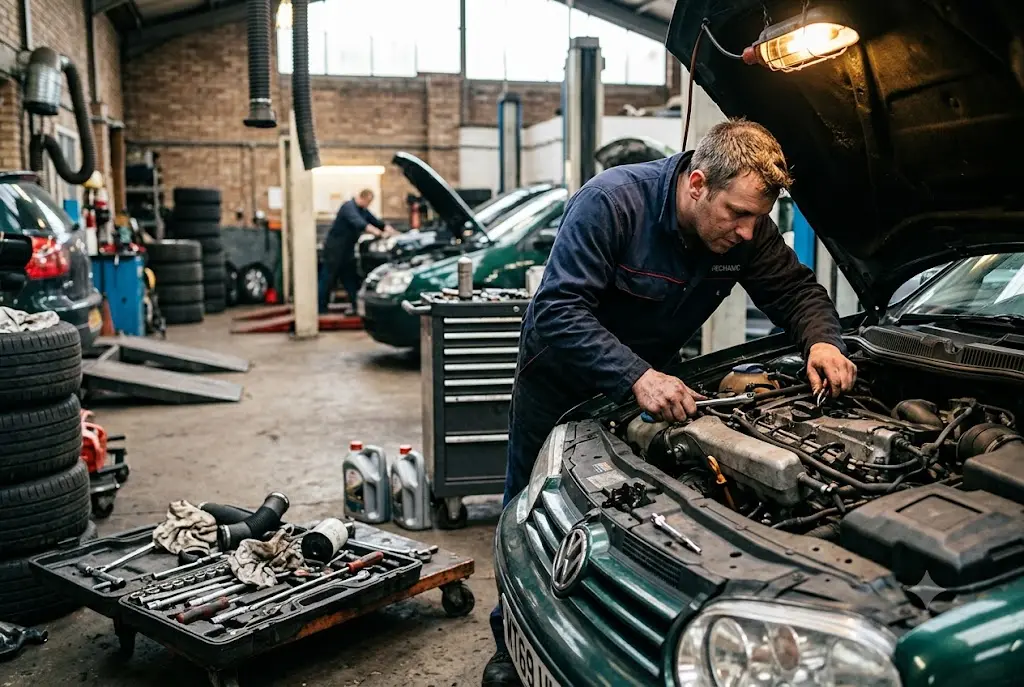
Understanding car repair cost in the UK is essential for managing your vehicle expenses and avoiding unexpected bills. Whether it’s a minor fix or a major repair, knowing typical prices can help you plan ahead and make informed decisions.
This guide covers average repair costs, common types of repairs, and practical ways to reduce your overall spending.
Why Car Repair Costs Vary
Car repair costs can differ significantly depending on several factors:
- Vehicle make and model
- Type of repair required
- Labour rates in your area
- Quality of replacement parts
Luxury and newer vehicles often cost more to repair due to advanced technology and specialised components.
Average Car Repair Costs in the UK
Below are typical price ranges for common repairs:
- Brake pad replacement: £100–£300
- Clutch replacement: £400–£1,000+
- Timing belt replacement: £300–£600
- Battery replacement: £80–£200
- Suspension repairs: £150–£500
These costs can vary depending on your vehicle and the garage you choose.
Most Common Car Repairs
1. Brake Repairs
Brakes are one of the most frequently repaired components. Worn brake pads and discs can affect safety and should be replaced promptly.
2. Battery Replacement
Car batteries typically last 3–5 years. A failing battery can leave you stranded, especially during cold weather.
3. Clutch Issues
Clutch repairs can be expensive but are essential for manual vehicles. Signs include slipping gears and difficulty changing gears.
4. Engine Repairs
Engine problems can range from minor sensor issues to major mechanical failures, often requiring specialist diagnostics.
How to Reduce Car Repair Costs
While repairs are sometimes unavoidable, you can minimise costs by following these tips:
- Service your car regularly
- Fix small issues before they worsen
- Compare quotes from multiple garages
- Use trusted local mechanics
Regular maintenance plays a key role—learn more about how often to service your car to avoid unnecessary repairs.
Should You Use a Dealership or Independent Garage?
Dealerships often charge higher labour rates but specialise in specific brands. Independent garages are usually more affordable and can provide excellent service.
To find reliable options, explore trusted garages near you and compare services before booking.
Unexpected Repair Costs After an MOT
Many drivers discover repair issues during their MOT test. If your car fails, you’ll need to fix the faults before it passes.
Understanding MOT costs in the UK alongside repair expenses can help you budget more effectively.
When Is It Not Worth Repairing a Car?
Sometimes, repair costs exceed the value of the vehicle. In such cases, it may be more economical to replace the car.
Consider factors such as:
- Age and condition of the vehicle
- Total repair costs vs car value
- Frequency of breakdowns
Importance of Preventative Maintenance
Preventative maintenance is the best way to keep repair costs low. Regular servicing, timely inspections, and proper driving habits can significantly extend your vehicle’s lifespan.
For example, addressing issues like air conditioning faults early can prevent bigger problems—see car air conditioning repair guidance for more details.
Final Thoughts
Understanding car repair cost in the UK helps you stay prepared and avoid financial surprises. While some repairs are inevitable, regular maintenance and smart choices can keep costs under control.
By staying proactive and choosing the right garage, you can ensure your car remains safe, reliable, and cost-effective to run.
For more insights into vehicle maintenance and repair costs, visit the RAC car repair cost guide.