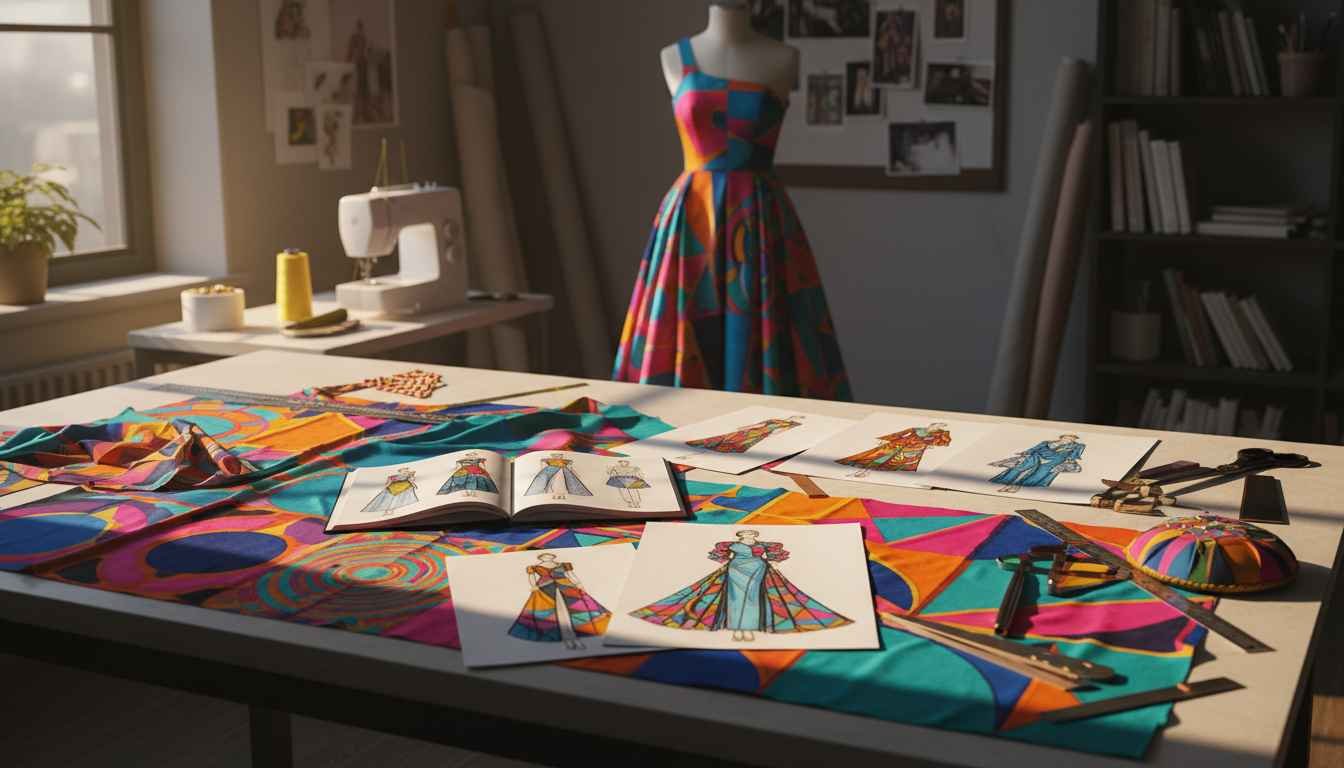
My grandmother used to say, “Everything has a shape, darling, even your dreams.” At first, I thought she meant that metaphorically – until I started designing footwear and realized that she was secretly giving me a masterclass in geometry. In fashion, geometry isn’t just about triangles and circles – it’s a language that communicates structure, balance, and visual intrigue. From asymmetrical hems to sharply angled collars, designers harness geometry to craft pieces that are both functional and mesmerizing.
Using geometry effectively requires a blend of creativity and discipline. Shapes dictate silhouette, proportions control harmony, and lines guide the eye. As a consultant who’s spent countless hours advising emerging fashion brands, I’ve seen firsthand how a subtle geometric tweak can elevate a shoe from ordinary to iconic. And if you’re curious about how this translates into practice, Miista exemplifies the magic of marrying geometry with modern design.
Step 1: Understanding the Language of Shapes
Before you put pencil to pattern, start by identifying your basic shapes. Circles, squares, triangles, and trapezoids aren’t just for math class – they’re your blueprint. Circles create softness and fluidity, triangles convey dynamism and tension, and rectangles or squares suggest stability and order. When I first experimented with triangular heel designs, I misjudged the weight distribution, resulting in some very wobbly prototypes. Lesson learned: geometry is beautiful, but physics is your friend.
Step 2: Mapping Lines and Angles
Lines guide movement and structure. Vertical lines elongate, horizontal lines widen, and diagonal lines add energy. Angles can be playful or precise. Consider the geometry of a folded collar, a pleated skirt, or a cut-out leather sandal. Each line contributes to the visual story you’re telling. Personally, I once tried a series of diagonal straps on a sandal that looked fantastic on paper but pinched horribly in real life – a humbling reminder that design is about both form and function.
Step 3: Playing With Symmetry and Asymmetry
Symmetry evokes calm and balance; asymmetry excites and surprises. High-fashion designers often use asymmetry to create a signature statement. Think of one sleeve longer than the other, a single geometric cut-out, or a sculpted heel with an unexpected angle. Experimenting with asymmetry taught me patience – I once presented a collection that was too radical, and buyers were confused rather than intrigued. Geometry demands context; its impact depends on balance.
Step 4: Scaling Proportions With Precision
Geometry isn’t just about shape – it’s about scale. A tiny triangular detail can look delicate, while an oversized geometric panel becomes a bold statement. Scaling affects perception and wearability. I remember designing a pair of boots with an exaggerated geometric overlay. While they photographed beautifully, they were almost impossible to walk in. Proper proportioning is where many designers stumble and where geometry shines when handled carefully.
Step 5: Incorporating Repetition and Patterns
Repeating geometric forms can create rhythm and cohesion. Checkerboard prints, tessellated leather panels, or repeated angular straps add visual depth. Repetition can be hypnotic when done thoughtfully, but too much can overwhelm the wearer. Early in my career, I overdid a pattern and the shoe looked more like a Rubik’s cube than wearable art. Geometry demands moderation – less is often more.
Step 6: Merging Geometry With Fabric and Material
Materials respond differently to geometry. Stiff leather holds angular shapes beautifully, while silk drapes and softens lines. The key is to match your geometric vision with the right medium. I made the rookie mistake of cutting rigid geometric panels in a flimsy fabric – it collapsed instantly. Your choice of material is as crucial as the geometry itself.
Reality Check: Expectation vs Reality
Expectation: I envisioned perfectly structured geometric shoes that would wow everyone instantly.
Reality: Some designs were unwearable, some required multiple iterations, and many needed adjustments I hadn’t foreseen. Geometry looks stunning in sketches and mood boards, but translating it to real-life wearability takes experimentation, patience, and sometimes trial-and-error humility.
Potential Drawbacks
While geometry can elevate designs, it comes with caveats. Overly complex angles may reduce comfort. Sharp shapes can limit fabric choices. And focusing solely on form might overshadow functionality. Designers who ignore ergonomics or mass production constraints can find themselves with impractical pieces. Geometry should enhance, not hinder, wearability.
Step 7: Experimenting With Digital Tools
Modern fashion relies heavily on software to visualize geometric concepts. Programs like Clo3D or Rhino allow you to manipulate shapes, angles, and textures in 3D before cutting a single piece of material. I can’t stress enough how much digital modeling saved me from countless failed prototypes. Even simple adjustments to curves or angles in a program can prevent weeks of wasted labor in the studio.
Step 8: Integrating Geometry Into Signature Style
The ultimate goal is to let geometry define your brand’s identity. Whether it’s Miista’s daring, alternative footwear or a tailored clothing line, your geometric choices communicate creativity, precision, and aesthetic philosophy. Start small with accents, then expand to full-scale silhouettes. Geometry becomes your signature language when used consistently yet imaginatively.
Step 9: Trusting Your Intuition
Despite all the rules, intuition is your secret weapon. A designer’s eye senses when a shape, line, or angle feels right. Geometry is a framework, not a cage. Let your instincts guide you, but always cross-check with wearability, proportions, and balance. My most successful collections were the ones where intuition led the pencil before geometry rules were applied – sometimes the “mistakes” became the most beloved pieces.
Step 10: Sharing and Receiving Feedback
No geometric design should exist in isolation. Seek feedback from wearers, fellow designers, and mentors. Even the boldest geometric idea may need refinement. Collaboration helps avoid the pitfall of creating something visually stunning yet impractical. Fashion is social, and geometry works best when it engages an audience.
Conclusion
Geometry in fashion is a magical dance between art and science, vision and practicality. It shapes not only garments and footwear but also how wearers experience style. From lines to angles, symmetry to asymmetry, and scaling to repetition, every geometric decision communicates something unique. Embrace experimentation, learn from missteps, and let geometry tell your story – just as my grandmother wisely hinted, everything has a shape, and every shape has a purpose.