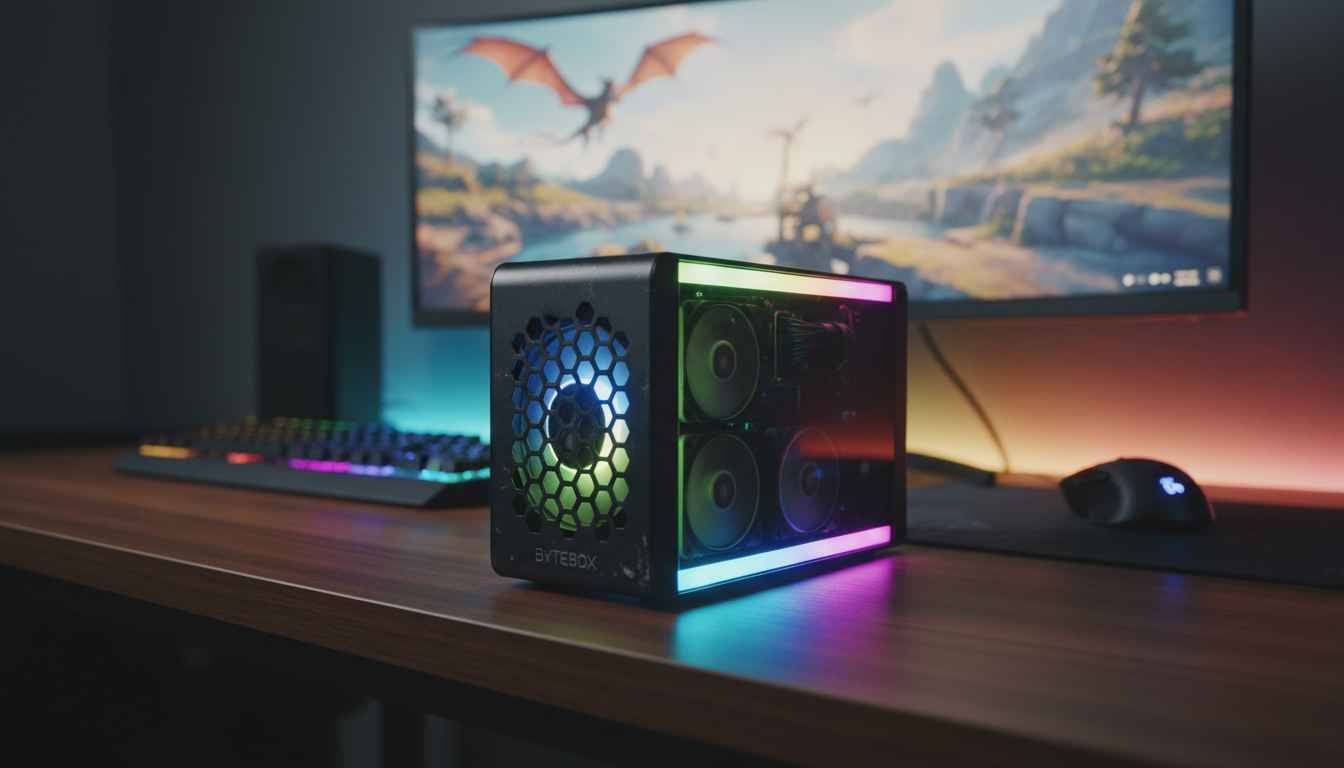
The early bird catches the worm. If you’ve been hunting for a gaming setup that doesn’t take over your desk or your wallet, a used mini gaming PC might just be the hidden treasure you’re looking for. But before you jump into the second-hand market, there are some crucial questions to consider. From performance expectations to long-term reliability, understanding the pros and cons can save you both time and frustration.
Mini PCs are compact, efficient, and surprisingly powerful. Many gamers have embraced them for their portability, space-saving design, and often unique aesthetic. But diving into the world of used mini gaming PCs requires a careful approach. Whether you’re a casual player of Melvor Idle or a competitive gamer, knowing what to look for is essential.
1. What Exactly Is a Mini Gaming PC?
Mini gaming PCs are smaller than traditional desktops but can pack impressive performance, often comparable to larger rigs. They typically house a dedicated GPU, adequate RAM, and efficient cooling systems. However, because of their compact size, upgrading components can be more challenging than on a standard desktop. If you’re considering a used unit, understanding these limitations upfront is crucial.
2. How Do I Know if a Used Mini Gaming PC Is Reliable?
Reliability is a common concern when buying used electronics. Start by checking the PC’s age and previous usage. If the seller provides receipts or proof of maintenance, it’s a good sign. Also, inspect the hardware for wear, dust buildup, or signs of overheating. Ask if any components have been replaced or upgraded. Transparency from the seller is key; if they’re evasive, it might be safer to pass.
3. What Performance Can I Expect?
Used mini gaming PCs vary greatly in performance. Ask about the CPU, GPU, RAM, and storage. Benchmark scores or gameplay videos from the seller can give you a realistic expectation of how the system handles modern games. Keep in mind that older GPUs may struggle with newer titles, though many indie and idle games run perfectly well on modest setups.
4. Are There Cost Benefits?
One of the biggest draws of a used mini gaming PC is cost savings. New mini PCs can be pricey due to their compact design and high-quality components. Buying used often allows you to get a higher-tier model at a fraction of the price. However, always weigh the savings against potential repairs or upgrades you may need to make after purchase.
5. How Do I Verify Compatibility with My Games?
Check the specifications of the mini PC against the requirements of the games you play. For example, lightweight games like Melvor Idle have minimal demands, but AAA titles or VR experiences require stronger GPUs and CPUs. It’s worth listing your games and comparing them to the PC’s specs to avoid surprises.
6. What About Warranty and Support?
Most used mini gaming PCs no longer carry a manufacturer warranty. Some sellers offer their own limited guarantee, but it’s rare. Understand that support options may be limited. If you encounter hardware failures, repairs can be tricky due to the compact nature of mini PCs. Factor this risk into your decision, especially if you rely on your PC for competitive gaming.
As gaming technology continues to evolve at a rapid pace, many enthusiasts are faced with the daunting task of choosing the right hardware that balances performance and budget. For gamers looking to experience high-quality graphics and fast processing speeds without breaking the bank, a used mini gaming pc can be a compelling option. These compact systems are often equipped with impressive specs, making them a viable alternative to traditional gaming rigs. However, the decision to purchase a used model comes with its own set of considerations, including potential risks and benefits. In this article, we will explore whether a used mini gaming PC is the right choice for you, helping you navigate the options available in today’s gaming market.
7. Potential Drawbacks or Who Should Avoid This?
Used mini gaming PCs aren’t for everyone. Gamers who need guaranteed high performance for competitive play may want to stick with new rigs. Also, anyone uncomfortable troubleshooting hardware or dealing with potential component failures should be cautious. The small size can make upgrading expensive or impossible, so if future-proofing is a priority, a used mini might not be the best route.
8. How Can I Safely Buy a Used Mini Gaming PC?
Buying from reputable sources is critical. Online marketplaces, specialty forums, or certified refurbishers reduce the risk of scams or faulty hardware. Always request detailed photos, test results, and seller references if possible. If local, arrange to inspect and test the PC before handing over any money. Taking these precautions can turn a gamble into a smart investment.
9. Are Upgrades Possible?
Mini PCs are notoriously compact, so upgrading is often limited. Some models allow RAM or storage upgrades, while GPU replacements can be near impossible. Confirm the upgrade potential before purchase, especially if you anticipate growing your gaming library or using more demanding software in the future.
10. Is It Environmentally Friendly?
Buying used electronics is a green choice. Extending the life of a mini gaming PC keeps electronics out of landfills and reduces the environmental impact of manufacturing new devices. While this isn’t the primary reason most gamers buy used, it’s an added benefit worth considering.
11. How Does It Compare to Laptops?
Used mini gaming PCs often outperform similarly priced laptops. They offer better cooling, easier maintenance, and sometimes superior components. However, they sacrifice portability compared to a gaming laptop. Consider your lifestyle: if you travel often, a laptop might make more sense, but for a compact home setup, mini PCs excel.
12. Can I Customize My Setup?
Mini gaming PCs allow for some customization. External monitors, keyboards, mice, and audio peripherals can dramatically enhance the gaming experience. RGB lighting or external cooling solutions are also possible, depending on the case design. While internal modifications are limited, the overall experience can still be highly personalized.
13. How Do I Know if It’s Worth the Investment?
Weigh your budget, performance needs, and tolerance for potential risks. A used mini gaming PC can be an excellent value for casual gaming or specific titles, but high-end competitive gamers may want new systems. If cost savings, space efficiency, and a unique setup appeal to you, the investment often pays off. Keep realistic expectations to avoid disappointment.
14. What Are Common Mistakes to Avoid?
Rushing into a purchase is the biggest mistake. Avoid sellers who cannot provide detailed specifications or verification. Don’t assume all mini PCs are compatible with your favorite games – check benchmarks. Lastly, ignore upgrade limitations at your peril. Careful research prevents regret and ensures a satisfying purchase.
15. Final Thoughts
Used mini gaming PCs can offer a powerful, compact, and cost-effective gaming solution – but only if approached carefully. By asking the right questions, verifying specifications, and understanding potential drawbacks, you can find a system that fits your gaming style and budget. Remember, patience and diligence are your best allies in the second-hand tech world. Treat it like a quest: the right choice will reward you handsomely.