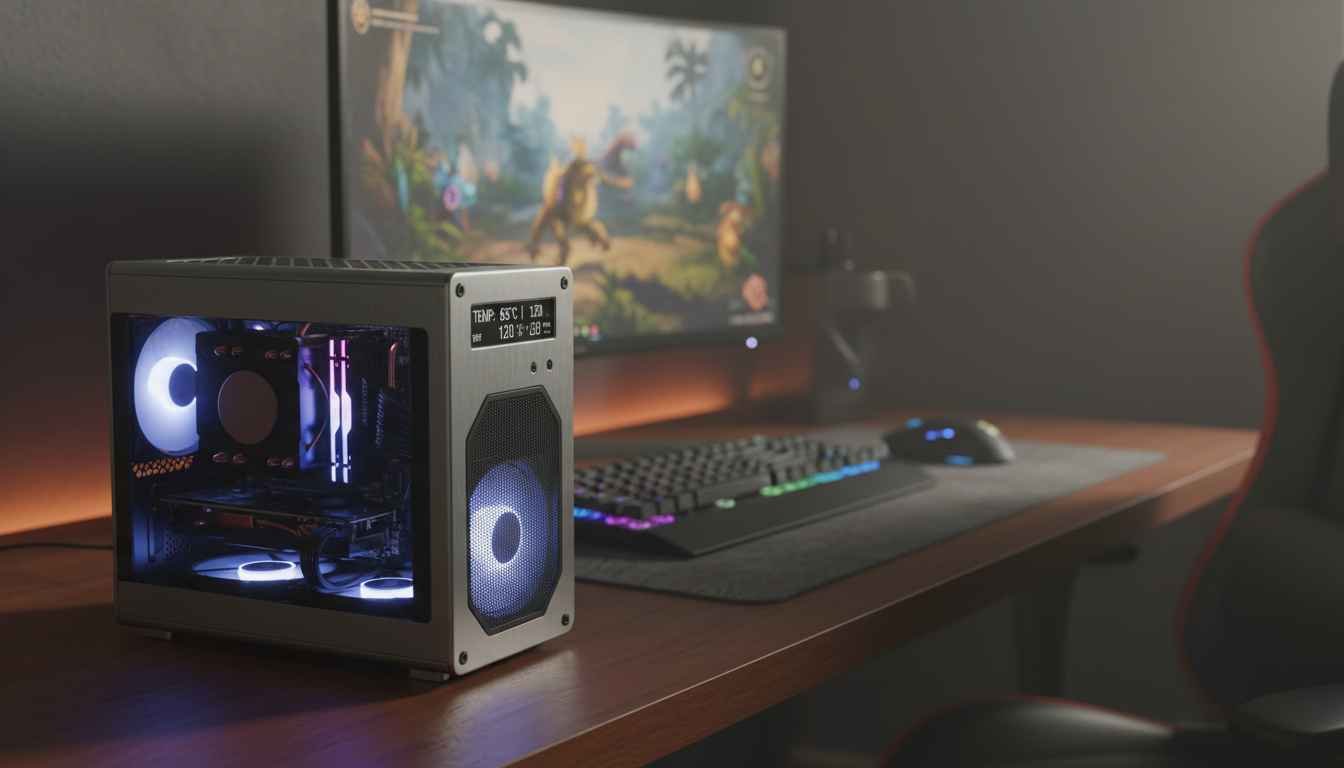
The early bird catches the worm. If you’re hunting for a compact, budget-friendly gaming setup, a used mini gaming PC might just be the worm you’ve been chasing. But before you jump in, it’s important to ask the right questions to ensure you get value without sacrificing performance or reliability.
Mini gaming PCs are an attractive option for gamers who want portability, space-saving designs, and efficiency. However, buying used always comes with uncertainties. From potential hardware wear to warranty limitations, there are a lot of considerations. For fans of Melvor Idle, who might want a lightweight rig that can run browser-based games or indie titles smoothly, a used mini PC could be an ideal choice.
1. What Exactly Is a Mini Gaming PC?
A mini gaming PC is essentially a full-fledged desktop computer compressed into a smaller chassis. Unlike standard towers, these PCs prioritize space-efficiency without sacrificing too much power. But keep in mind, the smaller the case, the harder it is to upgrade components or maintain cooling, which can impact long-term performance.
2. How Do You Verify the Condition of a Used Mini Gaming PC?
Checking a used mini PC goes beyond inspecting the exterior. Ask for system logs, benchmark results, or stress tests. Examine the ports, fans, and internal components if possible. One of the tricky parts is that cooling systems in mini PCs can degrade faster due to tighter spaces. A unit that looks pristine on the outside might have dust accumulation or thermal paste deterioration internally.
3. What Are the Advantages of Buying Used?
Buying a used mini gaming PC can save you a lot of money, sometimes hundreds of dollars compared to new models. You may also find high-end specs in older models at a fraction of the original cost. For gamers on a budget who primarily play titles like Melvor Idle or other lightweight games, this can be a smart way to get a capable machine without breaking the bank.
4. What Are the Potential Drawbacks?
While cost savings are tempting, there are potential drawbacks. Mini PCs often have limited upgrade options. A used unit may have worn-out components like SSDs or cooling fans, and warranties may no longer apply. There’s also the risk of hidden defects that only show up under heavy gaming loads. It’s crucial to weigh these risks before purchasing.
5. Who Should Avoid This?
If you need maximum performance for AAA games, heavily modded titles, or consistent streaming, a used mini PC might not meet your needs. Gamers who rely on upgradeability or want long-term warranties should consider new builds. Additionally, anyone uncomfortable troubleshooting potential issues on a used system should probably steer clear.
In the ever-evolving landscape of gaming, the way we consume and interact with PC games has undergone a remarkable transformation that many didn’t fully appreciate at the time. From physical media to the digital revolution, the shift has redefined not just how games are delivered but also how they are experienced. As we delve into the intricacies of this evolution, it’s essential to recognize the pivotal role that media for pc games once played in shaping the industry’s trajectory. Understanding this historical context allows us to better appreciate the current state of gaming and anticipate future developments that will continue to push the boundaries of what is possible in this dynamic medium.
As gaming technology continues to evolve rapidly, many enthusiasts find themselves at a crossroads when it comes to choosing the right hardware for their gaming experience. With the increasing popularity of compact gaming setups, the option of purchasing a used mini gaming PC has gained traction among budget-conscious gamers. These devices offer the performance needed for modern gaming while saving significant space and money. However, potential buyers may wonder about the benefits and drawbacks of opting for a second-hand system. In this article, we will explore the various factors to consider when deciding if a used mini gaming PC is the right choice for you, helping you make an informed decision that aligns with your gaming needs and budget. Whether you are a casual player or a more serious gamer, understanding these aspects will ensure you find the perfect fit for your gaming lifestyle.
6. How Do You Determine the Right Specifications?
When buying a used mini gaming PC, focus on the CPU, GPU, RAM, and storage. Ensure the CPU is recent enough to handle modern game engines, the GPU can deliver smooth frame rates for your preferred games, and the RAM meets minimum requirements. Storage speed is also key; older SSDs may have degraded performance, which can slow down load times significantly.
7. Where Can You Find Reliable Used Mini PCs?
Look for sellers with solid reputations, return policies, and detailed specifications. Platforms like eBay, specialized refurbishers, or local tech marketplaces often list used mini PCs. Always ask questions about the system’s history, warranty, and any upgrades done previously. A bit of diligence now can save a lot of frustration later.
8. How Do You Evaluate Price vs. Value?
Price isn’t everything. Compare the cost of a used mini PC to a new or refurbished alternative with similar specs. Factor in potential repair costs or the need for future upgrades. Sometimes, spending slightly more on a reliable system can be more cost-effective than repeatedly troubleshooting an older used unit.
9. What Are the Maintenance Tips for a Used Mini PC?
Even if the system works perfectly now, proactive maintenance can extend its life. Clean fans and vents regularly, monitor temperatures during gaming sessions, and update drivers. Consider reapplying thermal paste if the unit is several years old. Keeping the system in optimal condition ensures you get the most out of your purchase.
10. Is Buying Used Worth It?
Ultimately, a used mini gaming PC can be a smart move if you understand the trade-offs. It’s a practical choice for budget-conscious gamers or those seeking a compact setup for casual or mid-level gaming. However, it requires careful research, realistic expectations, and a willingness to perform occasional maintenance.
Remember, there’s no one-size-fits-all answer. For some gamers, the thrill of saving money outweighs the potential drawbacks. For others, reliability and upgradeability are non-negotiable. Approach the decision with empathy for your gaming needs and patience for the research process.
In conclusion, a used mini gaming PC can be a fantastic, space-saving, and budget-friendly solution – but only if you ask the right questions, understand the limitations, and take proactive steps to maintain your device.