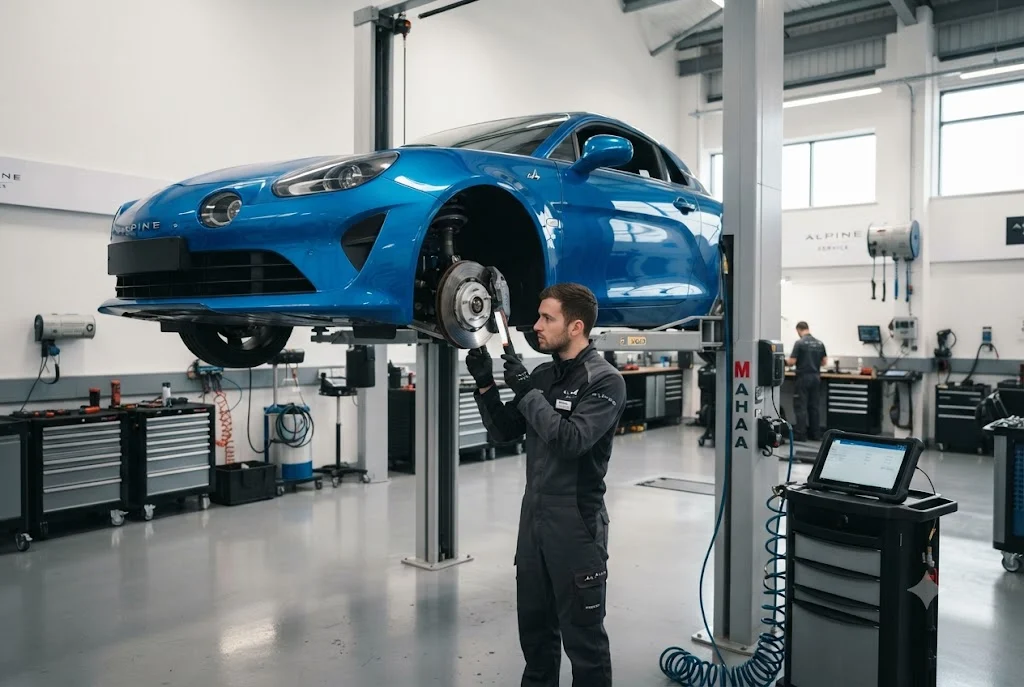
Many drivers assume that because a vehicle is brand new, maintenance can wait for several years. However, understanding when does a new car need servicing is essential for protecting your warranty, maintaining reliability, and ensuring your vehicle continues performing as intended.
Modern vehicles are more advanced than ever, but they still require regular inspections, oil changes, fluid checks, and preventative maintenance. Whether you’ve recently purchased a petrol, diesel, hybrid, or electric vehicle, following the correct servicing schedule can save money and help avoid unnecessary mechanical problems.
When Does a New Car Need Servicing?
The exact answer depends on the manufacturer, model, engine type, and driving conditions.
Most manufacturers recommend the first service after:
- 12 months from registration, or
- 10,000 to 12,000 miles driven
Whichever comes first usually determines when servicing becomes due.
Some manufacturers use flexible service schedules where onboard computers monitor driving habits and notify drivers when maintenance is required.
Checking your owner’s handbook remains the most reliable way to confirm the recommended interval.
Why New Cars Still Need Regular Servicing
A common misconception is that new vehicles do not require maintenance because all parts are new. While wear and tear may be minimal initially, fluids, filters, software systems, and mechanical components still require regular inspection.
Routine servicing helps:
- Maintain engine performance
- Protect manufacturer warranties
- Identify early mechanical issues
- Improve fuel efficiency
- Maintain resale value
- Reduce long-term repair costs
- Improve vehicle safety
Even the most reliable vehicles benefit from preventative maintenance.
Do You Have to Service Your Car Every Year?
Many motorists ask, do you have to service your car every year?
In most cases, yes.
Most manufacturers recommend annual servicing regardless of mileage. This ensures essential inspections and fluid replacements occur before deterioration begins affecting performance.
Although some drivers cover very low annual mileage, servicing intervals are typically based on both time and mileage because fluids and components naturally degrade over time.
Do You Need to Service Your Car Every Year If It’s Hardly Driven?
The answer is generally yes.
Even if a vehicle spends most of its time parked, several factors still affect condition:
- Engine oil deteriorates with age
- Brake components can corrode
- Battery performance declines
- Tyres can develop flat spots
- Coolant effectiveness reduces over time
Annual servicing helps identify these issues before they become expensive repairs.
Will Missing a Service Void My Warranty?
Potentially.
Most manufacturers require owners to follow recommended maintenance schedules during the warranty period.
If a warranty-related claim arises and servicing requirements have not been met, the manufacturer may reject coverage for certain repairs.
This is one of the main reasons new car owners should carefully document maintenance using a service log book.
How Are New Car Service Intervals Determined?
Manufacturers calculate servicing schedules based on extensive testing and engineering data.
Factors considered include:
- Engine design
- Oil specifications
- Expected component lifespan
- Driving conditions
- Vehicle technology systems
- Environmental requirements
Modern onboard monitoring systems can also adjust recommendations based on actual vehicle usage.
What Happens During a New Car Service?
The first service often focuses on inspections rather than major component replacement.
Typical checks include:
- Engine oil condition
- Oil filter inspection
- Brake system assessment
- Tyre condition and pressure
- Battery testing
- Fluid level inspections
- Suspension checks
- Steering system checks
- Software updates where required
Although major wear is uncommon during the first year, routine inspections help identify manufacturing defects or developing issues.
Mot New Cars: When Is an MOT Required?
Many new owners confuse servicing requirements with MOT regulations.
Fortunately, the rules are straightforward.
Mot New Cars Requirements
In the UK, most new cars do not require an MOT test until they reach three years of age.
However, this does not replace servicing.
A vehicle may not legally require an MOT during its first three years, but it should still follow the manufacturer’s maintenance schedule.
The official MOT requirements can be reviewed through the UK Government MOT guidance.
New Cars MOT vs Servicing
Understanding the difference between servicing and MOT testing is important.
Servicing
- Maintains vehicle condition
- Improves reliability
- Protects warranty coverage
- Reduces breakdown risk
MOT Testing
- Confirms legal roadworthiness
- Checks safety-related systems
- Ensures compliance with regulations
- Required after three years for most cars
Both are important, but they serve different purposes.
How Driving Habits Affect New Car Servicing
Not every vehicle experiences the same operating conditions.
You may require more frequent inspections if you regularly:
- Drive in stop-start traffic
- Tow trailers or caravans
- Carry heavy loads
- Drive long motorway distances
- Operate in extreme weather conditions
Vehicles used in demanding conditions often experience accelerated wear compared with vehicles driven occasionally.
Keeping Service Records from Day One
One of the smartest habits new owners can develop is maintaining detailed service documentation.
Accurate records support warranty claims, improve resale value, and make it easier to determine when is my car service due as the vehicle ages.
Maintaining invoices and service records also helps create a complete ownership history for future buyers.
What Maintenance Will Be Needed Later?
While the first few years typically involve routine servicing, some components eventually require replacement.
As mileage increases, items such as brakes, batteries, filters, and ignition components may require attention.
For example, understanding future maintenance tasks like spark plugs replacement can help owners budget for long-term vehicle care.
Can Delaying Servicing Increase Costs?
Absolutely.
Skipping scheduled maintenance often allows small issues to develop into larger problems.
Neglected servicing may lead to:
- Reduced fuel economy
- Premature component wear
- Unexpected breakdowns
- Warranty complications
- Higher repair bills
Preventative maintenance remains one of the most cost-effective aspects of vehicle ownership.
Conclusion
If you’ve been wondering when does a new car need servicing, the safest approach is to follow your manufacturer’s maintenance schedule from the very beginning. Most vehicles require servicing every 12 months or after reaching a specified mileage threshold.
Regular servicing protects your warranty, improves reliability, helps maintain resale value, and ensures potential issues are identified early. Even though new vehicles are highly reliable, routine maintenance remains essential for long-term performance and ownership satisfaction.