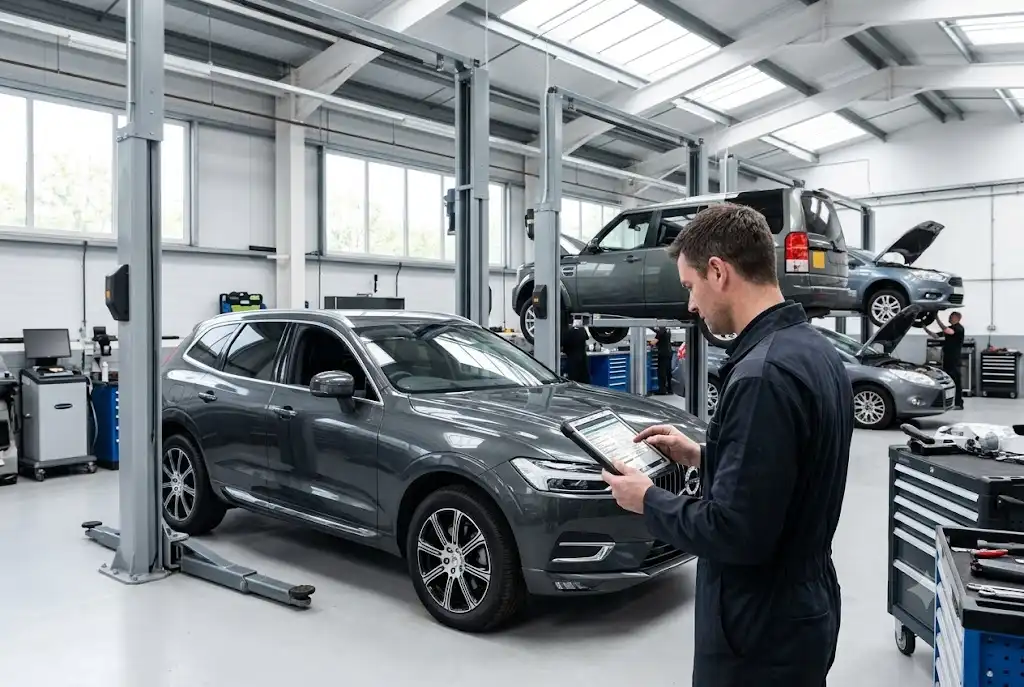
One of the most common questions asked by UK drivers is: how often does a car need a service? Whether you drive daily for work, use your vehicle occasionally, or own a newer electric model, regular servicing plays a vital role in maintaining safety, reliability, and long-term performance.
Many motorists assume a car only needs attention when a warning light appears or something feels wrong. In reality, following a recommended service schedule can help identify small issues before they turn into costly repairs.
The ideal servicing frequency depends on factors such as vehicle age, mileage, driving conditions, manufacturer recommendations, and the type of vehicle you own.
How Often Should You Service Your Car in the UK?
Most manufacturers recommend servicing a car at least once every 12 months or after a specified mileage interval, whichever comes first.
For many vehicles in the UK, the standard recommendation is:
- Every 12 months
- Every 10,000 to 12,000 miles
However, some manufacturers may recommend shorter or longer intervals depending on the model and engine type. Always check your vehicle handbook for the official schedule.
If you’re unsure what is typically carried out during a maintenance appointment, our guide on what does a service include on a car explains the inspections and checks commonly performed by garages.
How Often Do You Need to Service Your Car?
The answer varies depending on how the vehicle is used.
Frequent Drivers
If you regularly cover long motorway journeys or drive high annual mileage, your vehicle may reach its mileage service interval well before the 12-month mark.
In this case, servicing should be completed according to mileage rather than waiting for the annual date.
Low-Mileage Drivers
Even if you only drive occasionally, fluids, oils, seals, and other components can deteriorate over time. For this reason, annual servicing remains important even when mileage is low.
Urban Driving
Vehicles frequently used for short journeys, stop-start traffic, and city driving often experience greater wear than those driven consistently on motorways.
These vehicles may benefit from more frequent inspections.
When Does a Car Need a Service?
Although scheduled servicing should always be followed, certain signs may indicate your vehicle requires attention sooner.
Common warning signs include:
- Dashboard warning lights
- Unusual engine noises
- Reduced fuel efficiency
- Difficulty starting the vehicle
- Brake performance changes
- Vibrations while driving
- Excessive exhaust smoke
- Fluid leaks
If any of these symptoms appear, arranging an inspection as soon as possible can prevent more serious mechanical problems.
Interim Service vs Full Service
Many UK garages offer multiple servicing levels depending on mileage and vehicle usage.
Interim Service
An interim service is often recommended every six months for high-mileage drivers. It focuses on key maintenance items and safety inspections.
Typical interim service checks include:
- Engine oil replacement
- Oil filter replacement
- Brake inspection
- Tyre inspection
- Fluid checks
- Battery assessment
Full Service
A full service is generally carried out every year and includes a more comprehensive inspection of the vehicle’s major systems.
Drivers often choose a full service alongside their annual MOT to ensure both legal compliance and preventative maintenance.
How Often Does My Car Need a Service Based on Age?
New Cars
Modern vehicles often use advanced monitoring systems that track engine performance and driving conditions. Some newer cars may have flexible service schedules that determine when maintenance is required.
Even so, annual servicing remains common across most manufacturers.
Older Vehicles
Older cars typically benefit from more frequent maintenance inspections due to increased component wear and the potential for age-related deterioration.
Regular servicing can significantly extend the lifespan of an older vehicle.
How Servicing Helps Reduce Repair Costs
Many drivers view servicing as an expense, but it is often a cost-saving measure over the long term.
Routine inspections can identify:
- Worn brake components
- Tyres nearing replacement
- Battery issues
- Fluid contamination
- Suspension wear
- Cooling system faults
- Engine performance concerns
Addressing these issues early is usually far less expensive than dealing with a breakdown or major mechanical failure.
Does an MOT Replace a Service?
No. An MOT and a service are separate procedures.
An MOT assesses whether a vehicle meets minimum legal safety and environmental standards. It does not involve replacing service items or carrying out preventative maintenance.
Many motorists combine the two appointments for convenience, often choosing one of the best MOT garages near me to handle both requirements.
Servicing Requirements for Electric Vehicles
Electric vehicles have fewer moving parts than traditional petrol or diesel cars, but they still require regular maintenance.
Items such as tyres, suspension, brakes, battery cooling systems, software updates, and electrical components should be inspected periodically.
Drivers switching to electric mobility can learn more about EV servicing and how maintenance schedules differ from conventional vehicles.
How Mileage Affects Service Frequency
Mileage remains one of the most important factors when determining how often a vehicle should be serviced.
As a general guide:
- Up to 6,000 miles annually – service every 12 months
- 6,000–12,000 miles annually – service every 12 months or manufacturer interval
- 12,000+ miles annually – consider interim servicing between annual services
High-mileage drivers place greater demands on engines, transmissions, brakes, and tyres, making more frequent inspections beneficial.
Keeping Accurate Service Records
Maintaining a complete service history provides several advantages.
- Supports resale value
- Demonstrates responsible ownership
- May help preserve manufacturer warranty coverage
- Provides a clear maintenance timeline
- Helps identify recurring issues
Most garages provide a service record or digital service history detailing the work completed.
Professional Advice for UK Drivers
Vehicle maintenance recommendations can vary significantly between manufacturers. The best approach is to follow the service schedule outlined by your vehicle manufacturer while considering your personal driving habits.
The UK government also provides useful guidance regarding vehicle ownership, maintenance, and roadworthiness through its official vehicle ownership and maintenance information resources.
Final Thoughts
So, how often does a car need a service? For most UK drivers, the answer is at least once every 12 months or after reaching the manufacturer’s recommended mileage interval. However, driving style, annual mileage, vehicle age, and operating conditions can all influence how frequently servicing should take place.
Regular maintenance helps improve reliability, reduce repair costs, maintain safety, and protect the long-term value of your vehicle. Following a consistent servicing schedule remains one of the simplest and most effective ways to keep your car performing at its best.
Understanding the servicing needs of your vehicle extends beyond traditional petrol or diesel engines; it encompasses the rising popularity of electric vehicles (EVs) as well. As drivers increasingly shift towards more sustainable transportation options, it’s crucial to recognize that while EVs may have fewer moving parts, they still require regular maintenance to ensure optimal performance and longevity. Just as with conventional cars, adhering to a service schedule can uncover potential issues that, if left unaddressed, could result in significant inconveniences or expenses down the line. For specific insights into how these maintenance requirements differ from those of traditional vehicles, particularly focusing on aspects unique to electric models, exploring ev servicing can provide valuable guidance for UK drivers navigating this new automotive landscape.
Regular servicing is not only crucial for the mechanical health of your vehicle but also for its aesthetic integrity. While adhering to a service schedule can prevent significant mechanical failures, it’s equally important to consider the condition of your car’s bodywork. Accidents, environmental factors, and even minor wear and tear can lead to issues that, if left unaddressed, may diminish your vehicle’s value and safety. For drivers seeking to maintain their car’s exterior, locating reliable professionals for repairs becomes essential. By searching for car body work repairs near me, you can find trusted specialists who not only restore your vehicle’s appearance but also ensure it remains safe and functional on the road.