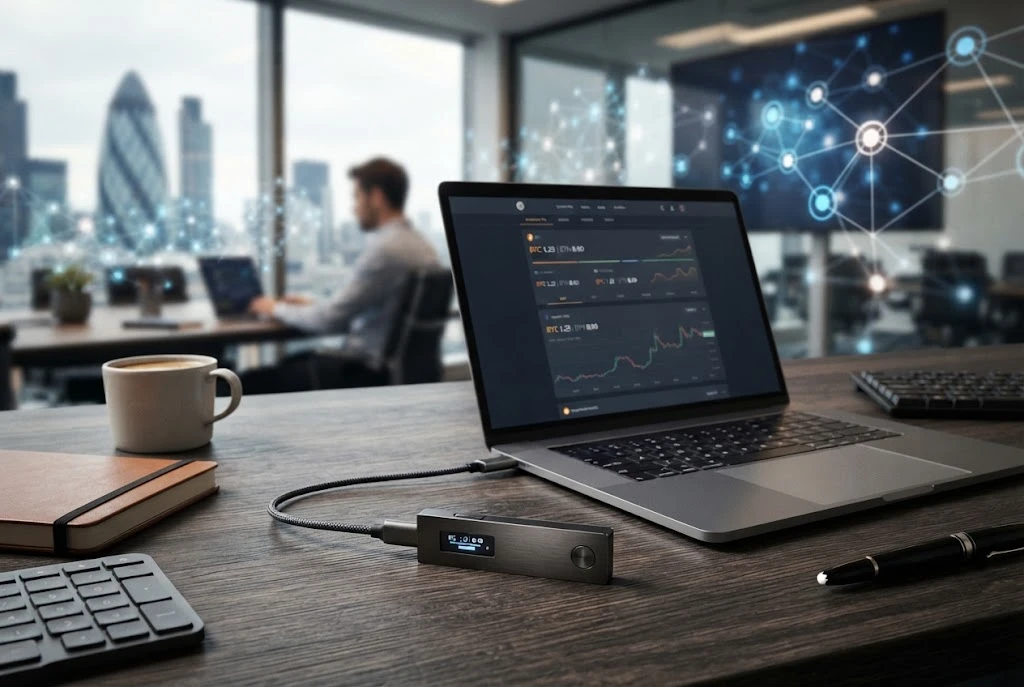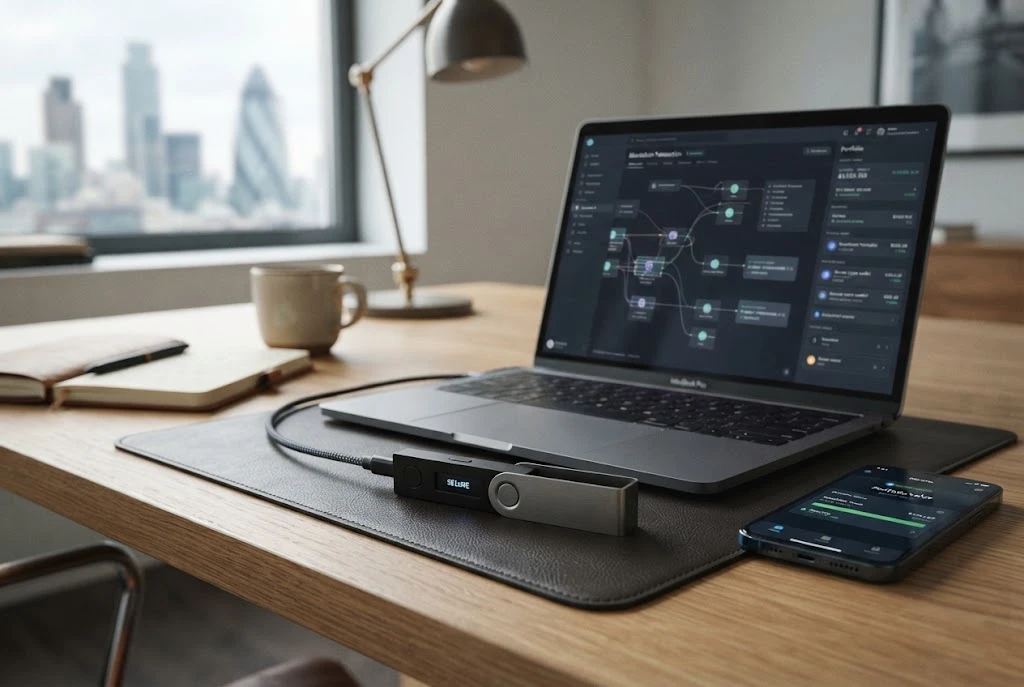
Choosing the best cryptocurrency wallet hardware is only one part of protecting digital assets. A dedicated hardware wallet can help separate sensitive signing credentials from everyday internet-connected devices, but effective security also depends on recovery procedures, transaction verification, physical protection and user awareness. For UK cryptocurrency users, understanding these factors is essential when building a practical self-custody strategy.
Hardware wallets are often discussed alongside software wallets and cold-storage technology. However, a secure setup is not created simply by purchasing a device. Users need to understand what the hardware protects, what it cannot protect, and how their own actions affect the overall security of their cryptocurrency holdings.
Why the Best Cryptocurrency Wallet Hardware Needs Strong Security
The purpose of dedicated wallet hardware is to provide a protected environment for the credentials used to authorise cryptocurrency transactions. Instead of depending entirely on an ordinary smartphone or computer, users can use a dedicated physical device when signing transactions.
This separation can reduce exposure to some online threats. Everyday computers and smartphones interact with websites, applications, downloads and messages, creating multiple potential attack surfaces. A dedicated wallet can help keep sensitive signing information more isolated.
However, hardware does not remove every risk. If a user reveals a recovery phrase, approves a fraudulent transaction or installs compromised software, the security benefits of the physical device can be undermined.
That is why the best cryptocurrency wallet hardware should be considered as part of a complete security process rather than as a standalone solution.
Understanding Digital Asset Security
Digital asset security involves protecting the information and systems that allow cryptocurrency to be accessed and transferred. For self-custody users, this includes private keys, recovery information, wallet applications, physical devices and transaction approvals.
Cryptocurrency transactions can be difficult or impossible to reverse after they have been confirmed. Consequently, preventing an unauthorised transaction is generally more important than trying to recover assets after a mistake or compromise.
A strong security approach therefore focuses on several layers. The hardware should be appropriately protected, the connected software should come from trustworthy sources, recovery information should remain private and transactions should be carefully reviewed before approval.
How Hardware Wallets Protect Signing Credentials
A hardware wallet is designed to keep sensitive signing credentials within a dedicated device. Compatible wallet software can prepare transactions and display account information, while the hardware can be used to approve the transaction.
The exact technical implementation varies between devices, but the objective is to reduce the need to expose sensitive credentials directly to the user’s everyday computing environment.
This distinction also helps explain what a hardware wallet actually stores. Cryptocurrency itself is not physically stored inside the device. The relevant blockchain records ownership and balances, while the wallet protects the credentials that allow the user to authorise transactions.
Understanding this model makes it easier to evaluate different hardware products without assuming that a physical device alone guarantees security.
Private Keys and Recovery Phrases
One of the most important parts of wallet protection is keeping recovery information confidential. A recovery phrase or equivalent backup mechanism may allow a user to restore access to a wallet if the original hardware device is lost, damaged or replaced.
Because recovery information can be extremely powerful, it should be protected with the same seriousness as the wallet itself. It should not be entered into websites, uploaded to cloud storage or shared with someone claiming to provide technical support.
Users should also avoid creating digital copies of sensitive recovery information when a secure offline method is available. The objective is to reduce the number of places where the information can be exposed.
A useful rule is simple: anyone who obtains the necessary recovery credentials may potentially gain control of the associated assets. The recovery process therefore deserves as much attention as the hardware device.
Transaction Verification Is a Critical Security Layer
Hardware wallet security is not only about protecting keys. It is also about ensuring that the user approves the transaction they actually intend to make.
Phishing websites and malicious applications can present misleading transaction information. A user might believe they are transferring cryptocurrency to one destination while the transaction being prepared contains different details.
For this reason, users should carefully review transaction information before approving it on their hardware device. Where the device provides transaction details for verification, those details should be checked rather than automatically confirming every request.
This simple habit can provide an important layer of protection against mistakes and certain forms of social engineering.
Choosing Hardware With Security in Mind
When comparing hardware wallets, security features should be considered alongside practical usability.
Secure Key Management
Understand how the device is designed to protect private keys and how signing operations are performed. Manufacturer documentation should clearly explain the security architecture rather than relying solely on marketing language.
Transaction Display
A clear device display can make transaction verification easier. Users should be able to review important information before authorising a transfer.
Recovery Process
Investigate how wallet recovery works before purchasing the device. A good recovery process should be understandable enough that the user can plan for device loss or damage without exposing sensitive information.
Software Compatibility
Hardware usually works alongside compatible wallet applications. Check whether the device is supported by reputable software and whether the applications you need are available for your operating system or preferred workflow.
Supported Networks
Security is important, but compatibility still matters. A device that does not support the blockchain networks or assets you use may not meet your practical requirements.
Physical Security Matters Too
Because hardware wallets are physical objects, their security also involves their physical environment. Users should think about where the device is stored and who can access it.
Physical access does not necessarily mean that someone can immediately transfer assets. However, theft, tampering or attempts to manipulate the user can create additional risks.
Recovery information is particularly important in this context. Keeping the physical device secure while leaving its recovery information openly accessible can create a serious weakness.
A sensible security plan therefore considers the device and its recovery information as two connected but separately protected components.
Buy Hardware From a Trustworthy Source
The purchase process can affect wallet security. Users should be cautious about second-hand devices, suspiciously discounted hardware and products obtained through unknown sellers.
When setting up a new wallet, users should follow the manufacturer’s official instructions and create or initialise the wallet themselves. A device that arrives with a recovery phrase already prepared should be treated with caution.
Users should also avoid following setup instructions received through unsolicited emails, social media messages or unknown support accounts. If there is uncertainty, go directly to the manufacturer’s official website rather than relying on links supplied by another person.
Software Security Still Matters
A hardware wallet does not operate in isolation. It commonly interacts with software installed on a computer or mobile device, so the surrounding environment still matters.
Users should keep operating systems and wallet applications updated and avoid downloading wallet software from unofficial sources. Browser extensions and third-party applications should also be evaluated carefully before being connected to a wallet.
A compromised computer may attempt to manipulate transactions or trick users into approving malicious actions. Hardware protection can reduce some risks, but it cannot replace careful verification.
Hardware Wallets and Cold Storage
The Hardware wallets are commonly associated with cold-storage technology because they can provide greater separation between signing credentials and internet-connected environments.
Cold storage can be useful for users who do not need constant access to their cryptocurrency. By reducing online exposure, it can support a long-term custody strategy.
However, cold storage introduces its own operational considerations. Users need to protect the physical device, maintain secure recovery information and understand how assets can be accessed when required.
Those considering dedicated devices for long-term holdings can first review the broader guide to the best hardware cryptocurrency wallet and compare the role of hardware with software-based wallet solutions.
Common Security Mistakes to Avoid
Even sophisticated hardware can be defeated by poor security practices. Common mistakes include:
- Sharing recovery information with another person.
- Entering a recovery phrase into an online form.
- Using a recovery phrase supplied by someone else.
- Purchasing hardware from an untrusted seller.
- Approving transactions without reviewing the details.
- Installing wallet applications from unofficial sources.
- Responding to unsolicited wallet-support messages.
- Keeping the wallet and recovery information in the same easily accessible location.
- Assuming that hardware makes phishing attacks impossible.
These examples demonstrate why security is a process rather than a single product feature.
UK Cryptoasset Security and Regulation
UK users should distinguish between wallet technology and the regulatory status of a company providing cryptocurrency services. The Financial Conduct Authority’s cryptoasset framework is expanding, with new regulated activities under the Financial Services and Markets Act 2000 (Cryptoassets) Regulations 2026 expected to come into effect on 25 October 2027.
The FCA states that the future regime will cover activities including safeguarding cryptoassets, operating trading platforms and arranging certain cryptoasset transactions. This does not mean that every wallet product is itself a regulated financial service, so users should consider what service a particular provider actually offers.
The FCA also continues to warn that cryptoassets are high risk and that consumers should understand the possibility of losing their money. Its financial promotion rules apply to firms marketing qualifying cryptoassets to UK consumers, including overseas firms.
For consumers, the practical lesson is to research the provider, understand the service being offered and avoid assuming that cryptocurrency holdings receive the same protections as money held through conventional regulated financial products.
Creating a Practical Wallet Protection Routine
A secure wallet setup should be supported by repeatable habits. Before every important transaction, verify the destination and network. Keep recovery information private and maintain secure physical control of the hardware.
It is also useful to plan for unexpected situations. Consider what would happen if the hardware wallet were lost, damaged or unavailable. Understanding the recovery process in advance can reduce pressure during an emergency.
Users managing significant digital assets may also want to document their own security procedures privately so that important steps are not forgotten after long periods without using the wallet.
How Hardware Fits Into a Wider Wallet Strategy
Hardware is one part of a broader cryptocurrency wallet ecosystem. Software wallets can provide convenient everyday access, while dedicated hardware can be used when users want additional separation for sensitive signing operations.
Different wallets can therefore serve different purposes. An individual might use a software wallet for smaller routine transactions while using dedicated hardware for assets intended for longer-term storage.
The key is to understand the security model of each wallet and avoid moving assets between wallets simply because a particular product is popular.
For a broader look at software wallet selection, see the guide to the best UK cryptocurrency wallet. For users interested specifically in protecting wallet credentials, the distinction between hardware design and day-to-day cryptocurrency wallet security is equally important.
Final Thoughts
The best cryptocurrency wallet hardware should provide an appropriate balance of security, compatibility and usability. A dedicated device can help protect signing credentials, but effective self-custody depends on much more than the hardware itself.
Recovery information, transaction verification, physical security, software hygiene and careful purchasing decisions all contribute to wallet protection. Users should also understand the difference between holding cryptocurrency through a third-party service and controlling assets through self-custody.
For UK users, staying aware of the developing cryptoasset regulatory environment adds another useful layer of consumer awareness. Technology can reduce certain risks, but informed and careful usage remains an essential part of digital asset security.
With wallet hardware and security covered, the next part of this cryptocurrency cluster can move into the payment side of the ecosystem, including buying cryptocurrency with a credit card and understanding the digital payment infrastructure behind crypto purchases.