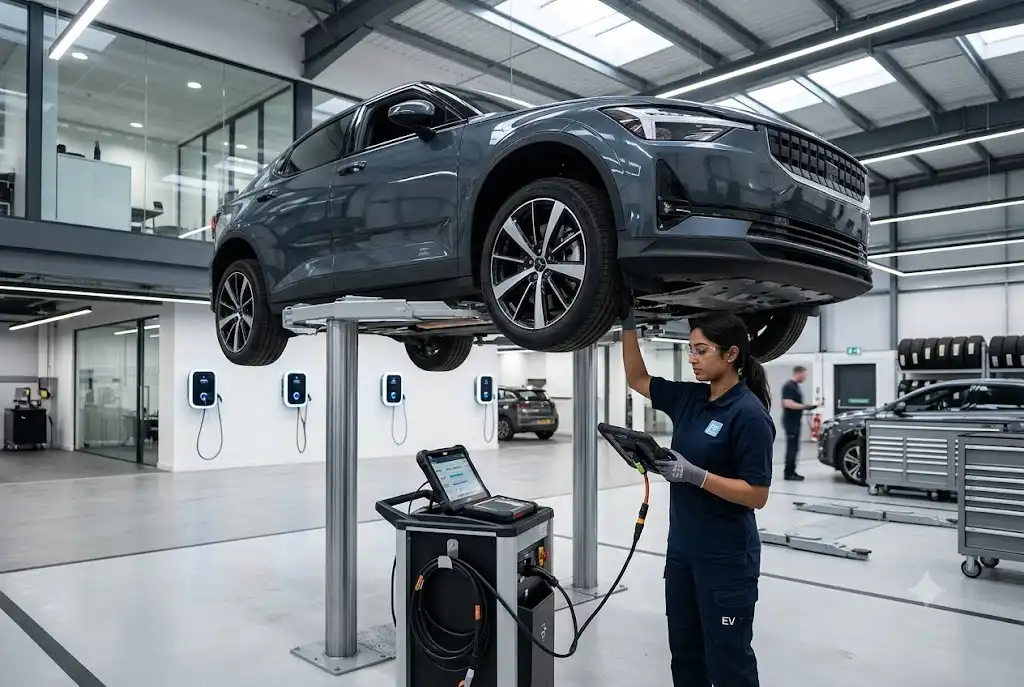
As electric vehicles become increasingly common on UK roads, many drivers are asking how maintenance differs from traditional petrol and diesel cars. One of the most common questions is whether electric vehicles need regular servicing at all.
The answer is yes. While electric vehicles generally require less routine maintenance than combustion-engine cars, they still need professional inspections to ensure safety, efficiency, and long-term reliability.
Understanding EV servicing can help owners protect their investment, maintain manufacturer recommendations, and keep their vehicles operating at peak performance.
Do Electric Vehicles Need Servicing?
Electric vehicles contain fewer moving mechanical parts than petrol or diesel vehicles. There are no engine oil changes, spark plugs, timing belts, or exhaust systems to maintain.
However, many important components still require regular inspection and maintenance.
Electric vehicles rely on complex electrical systems, battery technology, suspension components, braking systems, cooling systems, and software that all benefit from routine professional attention.
What Is Included in EV Servicing?
Servicing electric cars focuses on different systems than traditional vehicle maintenance.
Although manufacturer schedules vary, a typical electric vehicle service may include:
- High-voltage battery inspection
- Battery cooling system checks
- Brake system inspection
- Tyre condition assessment
- Suspension inspection
- Steering system checks
- Software updates
- Electrical system diagnostics
- Cabin air filter replacement
- Cooling fluid inspection
- Charging system assessment
- Vehicle safety inspections
These inspections help identify developing issues before they affect vehicle performance or reliability.
How EV Servicing Differs from Petrol and Diesel Servicing
The biggest difference between traditional servicing and electric vehicles service requirements is the absence of many engine-related maintenance tasks.
Electric vehicles do not require:
- Engine oil changes
- Oil filter replacements
- Spark plug replacements
- Fuel filter changes
- Exhaust system maintenance
- Engine timing component inspections
Drivers who are familiar with traditional maintenance schedules can compare the differences in our guide on what does a service include on a car.
How Often Should an Electric Vehicle Be Serviced?
Service intervals vary between manufacturers, but many electric vehicles require servicing every 12 months or after reaching a specified mileage threshold.
Some manufacturers use condition-based servicing systems that monitor vehicle performance and notify drivers when maintenance is required.
Even when annual mileage is low, regular inspections remain important because tyres, brakes, suspension components, and cooling systems still experience wear over time.
Drivers can also review our detailed guide on how often does a car need a service to understand how service intervals are determined.
Why Brake Inspections Remain Important
Many electric vehicles use regenerative braking technology, which reduces wear on traditional brake components.
While brake pads and discs may last longer than those on conventional vehicles, inspections are still necessary.
Brake components can deteriorate through corrosion, environmental exposure, and age, particularly if the vehicle is driven infrequently.
Battery Health Checks
The battery is the most valuable component in an electric vehicle.
Professional servicing often includes battery health assessments designed to verify:
- Charging performance
- Thermal management operation
- Cooling system efficiency
- Electrical safety
- Battery condition monitoring
Maintaining battery health can contribute to improved efficiency, range, and long-term reliability.
Software Updates and Diagnostics
Modern electric vehicles rely heavily on software to manage performance, charging, safety systems, and battery operation.
During servicing, technicians may check for:
- Software updates
- System fault codes
- Sensor calibration issues
- Electronic control unit warnings
- Charging system faults
These checks help ensure that vehicle systems continue operating as intended.
Tyre Maintenance for Electric Vehicles
Electric vehicles are often heavier than comparable petrol or diesel models due to battery weight.
This additional weight can increase tyre wear.
Routine inspections help ensure:
- Correct tyre pressure
- Even wear patterns
- Sufficient tread depth
- Safe handling characteristics
Tyre maintenance remains one of the most important aspects of electric vehicle safety.
Electric Vehicle Air Conditioning Systems
Climate control systems play a particularly important role in electric vehicles because they can influence driving range and battery efficiency.
Routine inspections may identify refrigerant issues, cooling inefficiencies, or electrical faults before they affect performance.
If cooling performance decreases, professional car air con repairs may help restore efficiency and cabin comfort.
Can Mobile Technicians Service Electric Vehicles?
As electric vehicle ownership grows, some mobile technicians are expanding their qualifications and equipment to support EV maintenance.
Certain inspections and diagnostics may be performed by specialists offering services similar to a mobile mechanic Shrewsbury, although high-voltage system work often requires specially trained technicians and dedicated safety procedures.
Signs Your EV May Need Attention
Drivers should arrange professional inspections if they notice:
- Reduced driving range
- Charging difficulties
- Warning lights
- Unusual noises
- Brake performance changes
- Suspension concerns
- Cooling system warnings
Prompt diagnosis can help prevent more significant issues from developing.
Choosing an EV Service Provider
Not all garages are equipped to work on electric vehicles.
When selecting a service provider, consider:
- EV technician qualifications
- Manufacturer-specific experience
- Diagnostic equipment availability
- Customer reviews
- Warranty support
- Battery system expertise
Choosing technicians trained in electric vehicle maintenance can help ensure work is completed safely and correctly.
Future Trends in Electric Vehicle Maintenance
As EV technology continues to evolve, servicing procedures are becoming increasingly sophisticated. Advanced diagnostics, predictive maintenance systems, and remote software management are expected to play a growing role in future vehicle care.
The UK government continues to support the transition toward electric mobility through information and guidance available via its electric vehicle support and infrastructure resources.
Final Thoughts
Although electric vehicles require less routine maintenance than traditional petrol and diesel cars, EV servicing remains an essential part of responsible vehicle ownership. Battery inspections, brake assessments, software diagnostics, cooling system checks, and tyre maintenance all contribute to safety and long-term performance.
Following the manufacturer’s recommended service schedule and working with qualified EV specialists can help maximise reliability, protect vehicle value, and ensure your electric vehicle continues performing efficiently for years to come.
As the electric vehicle (EV) landscape evolves, understanding the nuances of EV servicing becomes increasingly crucial for owners. This involves not only routine maintenance but also ensuring that vehicles are compliant with safety standards, which is where the importance of reliable service centers comes into play. Just as traditional vehicles require trusted mechanics for their MOT tests, electric vehicle owners should seek out knowledgeable garages equipped to handle the specific needs of EVs. For those looking to find quality service providers, resources exist to help identify the best mot garages near me, ensuring that your vehicle receives the best possible care while adhering to regulatory requirements. This proactive approach not only safeguards your investment but also contributes to the broader goal of maintaining road safety and environmental standards.