Finding the best beauty products is not simply about choosing the most popular bottle, the most expensive brand or the product everyone is talking about on social media. The right choice depends on your skin, hair, preferences, budget and the results you expect. A good beauty-buying approach combines product information, ingredients, suitability, independent reviews and realistic expectations.
UK shoppers have access to an enormous range of skincare, makeup, haircare and cosmetic products. That variety is useful, but it can also make choosing difficult. This guide explains how to compare beauty products, what to consider before buying and how to distinguish genuinely useful recommendations from marketing claims.
How to Choose the Best Beauty Products
The best beauty products are different for everyone. A product that works well for one person may not be appropriate for another, particularly when skin type, sensitivities, age, climate and existing routines differ.
Instead of searching for one universal winner, start by defining what you want the product to do. You might be looking for hydration, cleansing, sun protection, coverage, colour, styling, nourishment or a simpler everyday routine.
Once you know the purpose, compare products within the same category. Look at the ingredients, instructions, size, price and claims made by the manufacturer. This gives you a more useful basis for comparison than relying on packaging or popularity alone.
Best Skincare Products for Different Needs
Skincare is one of the largest areas of the beauty market, covering cleansers, moisturisers, serums, exfoliants, masks and sun protection. However, a longer routine is not automatically a better routine.
For many people, the basics are a sensible starting point. A suitable cleanser can help remove dirt, oil and makeup, while a moisturiser can support the skin barrier and improve comfort. During the day, sun protection can also play an important role in a skincare routine.
When comparing the best skincare products, consider your skin type and the specific concern you want to address. Someone with dry skin may prioritise moisturising ingredients, while someone with oily skin may prefer a lighter formulation.
If you are looking specifically for the best skincare UK options, also consider the practical environment in which you use them. Seasonal weather, indoor heating and lifestyle can all influence how comfortable a particular product feels.
Read the Ingredient List
Ingredient lists can help you understand what a product contains, although they can be difficult to interpret if you are unfamiliar with cosmetic terminology. Look beyond a single fashionable ingredient and consider the complete formulation.
It is also sensible to be cautious with strong claims. Terms such as “miracle”, “instant transformation” or “clinically proven” need context. Product packaging and advertising should not replace sensible evaluation of the product’s intended use and suitability.
Best Makeup Products for Everyday Use
The best makeup products should complement your preferences rather than force you into a particular beauty routine. Some people prefer lightweight makeup for everyday wear, while others want fuller coverage or more dramatic colour.
Foundation, concealer, powder, blush, mascara and lip products all come in different formulations and finishes. When comparing them, consider how the product behaves over several hours rather than judging it only immediately after application.
Shade selection is particularly important. A foundation that matches your skin well can look considerably more natural than a highly rated product in the wrong shade. Similarly, the finish should suit your skin and the look you want to create.
For eye and lip products, check the intended application and follow the manufacturer’s guidance. Good hygiene also matters when using products around the eyes or sharing makeup with others.
Best Cosmetics: What Makes a Product Worth Buying?
When people search for the best cosmetics, they often focus on brand reputation. Brand reputation can be useful, but it should be only one part of the decision.
A product is worth considering when it performs its intended function, suits your needs, provides clear information and offers reasonable value for money. A lower-priced product can be a better purchase than a luxury alternative if it delivers the result you want.
Packaging can also influence buying decisions, particularly in beauty. Attractive presentation may be appealing, but it does not necessarily tell you anything about performance. Focus first on formulation, usability and suitability.
Best Beauty Products UK Shoppers Should Compare Carefully
The range of best beauty products UK shoppers can choose from is constantly expanding. New brands, launches and product formats appear regularly, making comparison more important than ever.
Before purchasing, compare products based on their actual purpose. If two moisturisers claim to support hydration, examine their ingredients, size, application instructions and price rather than assuming the more expensive option is superior.
It can also help to distinguish between a product being popular and a product being suitable for you. A viral product may generate thousands of reviews while still being unsuitable for a particular skin type or routine.
How to Use Beauty Product Recommendations
Beauty product recommendations can save time, especially when they come from people or publications with relevant experience. However, recommendations should be treated as guidance rather than guarantees.
Look for recommendations that explain why a product was selected. A useful review should discuss the product’s intended purpose, texture or application, strengths, limitations and the type of consumer who may benefit from it.
Be more cautious when a recommendation provides only praise without explaining how the product was evaluated. Balanced information is generally more useful than a list of exaggerated benefits.
Beauty Product Comparisons: What to Check
Beauty product comparisons become much easier when you use the same criteria for every product. Creating a consistent checklist can prevent brand names or attractive packaging from dominating your decision.
- Purpose: What problem or need is the product designed to address?
- Ingredients: Does the formulation contain ingredients appropriate for your needs?
- Suitability: Is it designed for your skin, hair or intended application?
- Performance: Does credible feedback indicate that it performs as expected?
- Price: Is the cost reasonable for the quantity and performance?
- Application: Is it convenient enough to use regularly?
- Packaging: Is the container practical and does it protect the product?
- Instructions: Are directions and relevant precautions clearly provided?
This approach can help you make better decisions even when comparing unfamiliar brands.
Why Beauty Product Reviews Matter
Beauty product reviews can reveal practical details that are not obvious from product descriptions. Reviewers may discuss texture, finish, scent, ease of application, packaging and how a product fits into a daily routine.
However, reviews should be assessed critically. Individual experiences vary, and a reviewer may have different skin, hair or preferences from you. A single positive or negative review should therefore not determine your entire decision.
Look for patterns across multiple credible reviews. If several independent reviewers mention the same practical strength or weakness, that information can be more useful than one extreme opinion.
How to Avoid Overbuying Beauty Products
A large beauty collection can become expensive and difficult to manage. Buying more products does not necessarily produce better results.
Before purchasing something new, consider whether it fills a genuine gap in your routine. You may already own a similar cleanser, moisturiser, foundation or styling product. If so, using what you already have may be more practical.
Checking expiry information and following storage instructions is also important. Products that have been opened for a long time may not remain suitable indefinitely, so maintaining a manageable collection can make it easier to keep track of what you use.
How to Find Better Beauty Buying Guides
A useful beauty buying guide should help you understand the reasoning behind its recommendations. It should explain who a product may suit, what it is intended to do and which limitations shoppers should consider.
When reading online guides, also check whether information is current. Beauty brands change formulations, discontinue products and introduce replacements. A recommendation that was useful several years ago may no longer reflect the products currently available.
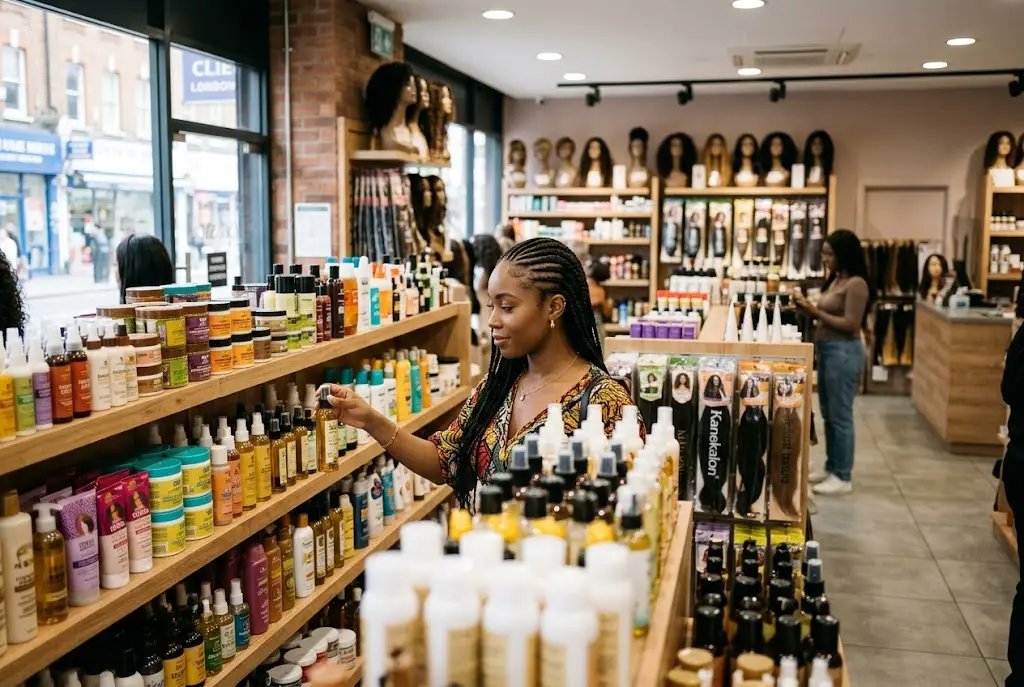
For shoppers who prefer buying locally, specialist retailers can also be useful. Our guide to finding a black hair shop near me explores how UK shoppers can find specialist retailers and compare local product choices.
Building a Simple Beauty Shopping Strategy
You do not need to research every beauty product available in the UK before making a purchase. A simple process can produce better results.
- Identify your need: Decide exactly what you want the product to achieve.
- Set a realistic budget: Determine how much you are comfortable spending.
- Shortlist products: Compare a small number of suitable options.
- Check ingredients and instructions: Make sure the product is appropriate for your intended use.
- Read balanced reviews: Look for repeated patterns rather than isolated opinions.
- Compare value: Consider quantity, performance and frequency of use.
- Buy only what you need: Avoid building a collection based purely on trends.
This process works across skincare, makeup, haircare and other cosmetic categories.
Final Thoughts on the Best Beauty Products
The best beauty products are not necessarily the newest, most expensive or most heavily promoted options. The better choice is usually the product that fits your specific needs, performs its intended purpose and offers sensible value.
Whether you are researching the best skincare products, comparing makeup, looking for the best cosmetics or reading beauty product reviews, take time to examine the evidence behind each recommendation. By focusing on suitability, formulation, performance and value, UK shoppers can make more confident beauty purchases without relying solely on trends or advertising.
As you develop your beauty knowledge, reliable product comparisons and well-researched guides can become useful tools for building a routine that works for you rather than simply following whatever happens to be popular.
As you navigate the intricate landscape of beauty products, it’s essential to recognize that the demand for informed choices extends beyond consumer shopping habits to the broader realm of content creation. The intricate relationship between product efficacy and consumer expectations has paved the way for a burgeoning field of expertise in beauty writing, where professionals strive to deliver authentic insights and guidance. This evolving discipline not only encompasses reviews and recommendations but also dives deeply into the nuances of ingredient transparency, brand ethics, and the ever-shifting trends that shape consumer preferences. By understanding how to articulate these complexities, beauty writers play a crucial role in helping consumers make informed decisions while fostering a culture of trust and authenticity in the beauty industry.
In a landscape brimming with choices, understanding how to navigate the beauty product market becomes essential for informed purchasing decisions. As you strive to find the ideal products tailored to your unique needs, financial considerations inevitably come into play. Savvy shoppers are increasingly turning to various strategies to maximize their budgets while still enjoying high-quality beauty essentials. One such method involves utilizing promotional offers, such as the beauty bay discount code, which can significantly ease the financial burden without compromising on quality. Embracing these cost-saving opportunities empowers consumers to explore a broader spectrum of products, enabling more personalized beauty experiences that align with both preference and budget constraints.