The UK beauty industry is a diverse and fast-moving sector covering skincare, cosmetics, haircare, fragrance, personal care, professional treatments and a growing range of specialist beauty services. From independent salons and emerging product brands to established retailers and global companies, beauty businesses across Britain operate in a market shaped by changing consumer preferences, innovation, regulation and evolving ideas about personal care.
Understanding the UK beauty market requires more than looking at cosmetics alone. Consumers are increasingly interested in ingredients, product performance, ethical sourcing, convenience, premium experiences and the overall values of the brands they buy from. At the same time, businesses must navigate detailed requirements covering product safety, labelling, responsible persons, notifications and marketing claims.
This guide examines the structure of the UK beauty sector, the forces influencing its development and the issues businesses and consumers should understand when considering its future.
What Is the UK Beauty Industry?
The UK beauty industry encompasses a broad collection of businesses and services connected with personal appearance, skincare, cosmetics and wellbeing. Its scope extends from product manufacturers and distributors to salons, independent practitioners, retailers, beauty consultants and digital-first brands.
Common areas within the sector include:
- Skincare and facial care
- Makeup and colour cosmetics
- Haircare and professional hair services
- Fragrance and perfumes
- Nail care and nail services
- Body care and personal care products
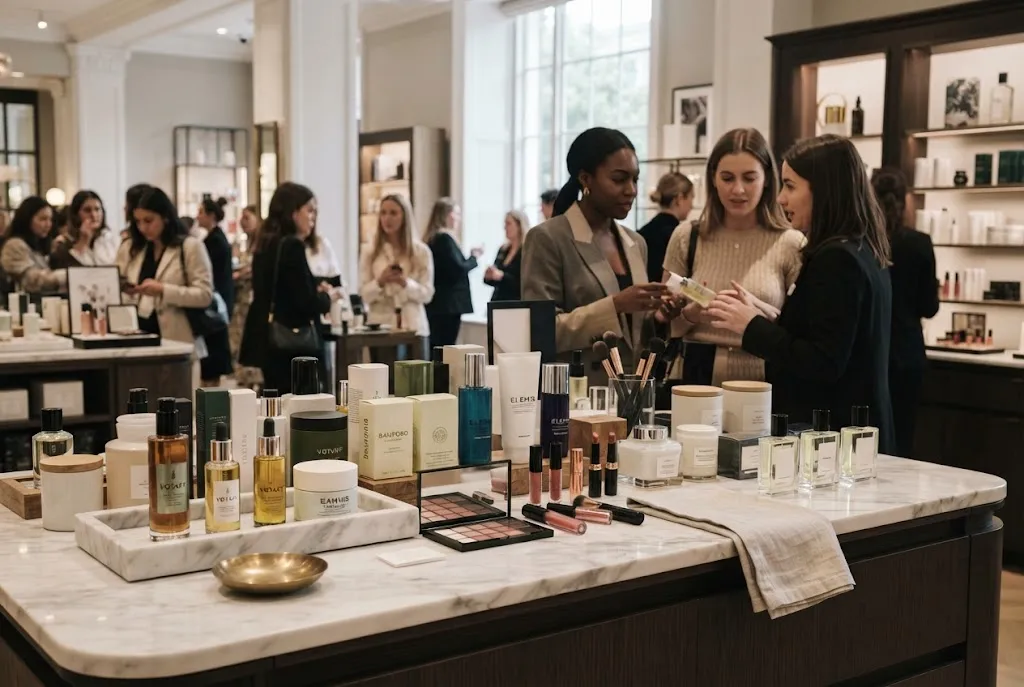
- Beauty salons and specialist treatments
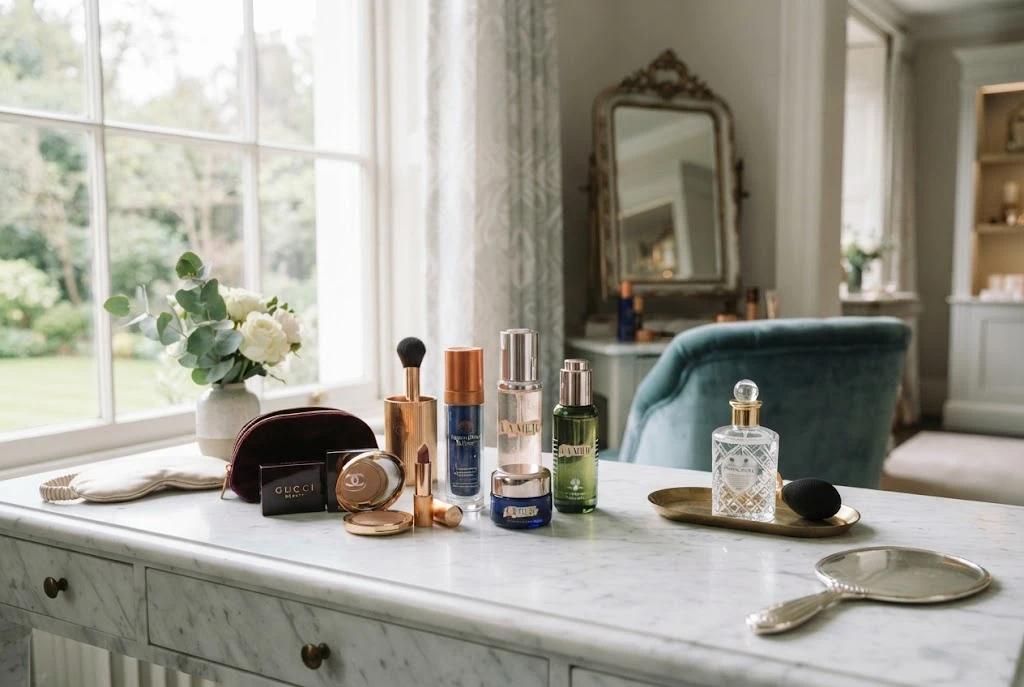
- Luxury and premium beauty
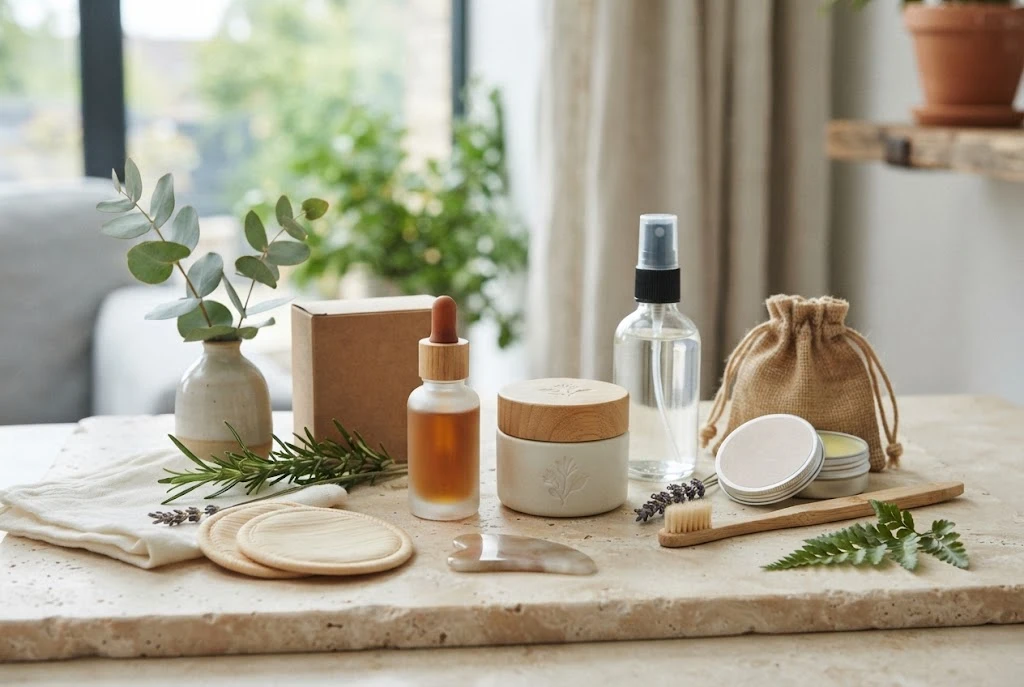
- Natural and environmentally conscious beauty products
- Online beauty retail and direct-to-consumer brands
This breadth makes the sector particularly resilient from a business perspective. Different parts of the market appeal to different audiences, while new product concepts and service models continue to create opportunities for smaller and specialist businesses.
How the UK Beauty Market Is Changing
The UK beauty market continues to evolve as consumers become more informed and selective about what they purchase. Online research, social media, creator content, reviews and educational beauty content have changed how people discover products and compare brands.
Instead of relying solely on traditional advertising, many consumers now investigate ingredients, application methods, product claims and customer experiences before making a purchase. This has increased the importance of transparent product information and credible brand communication.
Another important change is the growing separation of beauty into distinct consumer preferences. Some shoppers look for affordable everyday products, while others prioritise premium formulations, specialist ingredients or high-end experiences. Meanwhile, sustainability has become an important consideration for consumers who want to reduce unnecessary packaging and make more conscious purchasing decisions.
These developments create opportunities for brands that understand a specific audience rather than attempting to appeal to everyone.
Key UK Beauty Market Trends
Growth of Digital Beauty Shopping
Online shopping has become an important part of the modern beauty customer journey. Consumers can research products, compare prices, read reviews and purchase directly from brands or retailers without visiting a physical store.
For UK beauty businesses, this means that a strong digital presence can be just as important as a physical retail location. Product photography, informative descriptions, customer service, reviews and useful educational content can all influence purchasing decisions.
Greater Interest in Ingredients
Consumers increasingly recognise ingredient names and actively research what different formulations are intended to do. This has encouraged beauty brands to communicate more clearly about formulations, product benefits and appropriate use.
However, businesses must ensure that product descriptions and marketing claims are accurate. Cosmetic products placed on the Great Britain market are subject to requirements covering safety, information and claims.
Premium and Luxury Segments
Not every consumer approaches beauty from a value-first perspective. Premium skincare, luxury makeup, specialist fragrance and high-end beauty experiences appeal to customers who place greater emphasis on formulation, brand identity, presentation and service.
This creates a distinct opportunity within the wider market. Businesses interested in this segment can explore the characteristics of luxury beauty and how premium positioning differs from mainstream beauty marketing.
Sustainability and Responsible Consumption
Environmental considerations are also influencing product development and consumer conversations. Packaging, refill concepts, ingredient sourcing, manufacturing processes and product waste are increasingly discussed when people evaluate beauty products.
The idea of sustainability in beauty is broader than simply using recyclable packaging. It can involve the entire product lifecycle, from formulation and manufacturing to distribution, usage and disposal. For a deeper look at this developing area, readers can explore sustainable beauty.
Personalisation and Specialist Products
Beauty consumers do not necessarily want identical routines. Skin type, hair characteristics, lifestyle, age, personal preferences and individual beauty goals can influence product choices.
This has helped create demand for specialist products and more targeted beauty recommendations. Brands that provide useful education without making unsupported promises can build stronger relationships with their audiences.
Beauty Industry Regulations UK Businesses Need to Understand
Regulation is a major part of operating within the UK beauty industry, particularly for businesses that manufacture, import, distribute or sell cosmetic products.
In Great Britain, cosmetic products are governed by a specific regulatory framework. Government guidance explains that businesses placing cosmetics on the GB market must comply with requirements concerning product safety, responsible persons, product information, notification and consumer information.
For example, a cosmetic product made available to consumers in Great Britain must have a named Responsible Person. The Responsible Person has responsibilities relating to safety, product documentation, labelling, notification and compliance.
Businesses should also maintain an appropriate Product Information File and ensure that the required safety assessment and manufacturing information are available. Cosmetic products must be manufactured according to good manufacturing practice, with ISO 22716 recognised as a relevant way of demonstrating compliance with good manufacturing practice.
The regulatory framework is particularly important for businesses launching new products because compliance needs to be considered before products are placed on the market, rather than treated as an afterthought.
UK Cosmetics Regulations and Product Labelling
Clear labelling is an essential part of selling cosmetics in Great Britain. Government consumer guidance states that cosmetic packaging should provide information such as the product’s function, precautions for use, weight or volume where applicable, the Responsible Person’s name and address, an identification or batch number, relevant date information and an ingredient list.
This information helps consumers understand what they are buying and gives them an opportunity to check ingredients, particularly when they have known allergies or sensitivities.
Businesses should also pay attention to how cosmetic claims are presented. Marketing should accurately represent what a product does and should not imply characteristics or functions that the product does not have.
Because requirements can change, businesses should check the latest official guidance rather than relying on outdated blog posts or old compliance checklists.
UK Beauty Businesses and the Competitive Landscape
The UK market includes businesses at very different stages of development. Independent beauty professionals may operate locally, while online brands can serve customers across the country or internationally.
Small businesses can compete by developing a distinctive identity, specialising in a particular product category or serving a clearly defined customer group. A specialist skincare company, for example, may build its reputation around education and formulation, while a salon may differentiate itself through customer experience and specialist treatments.
Established businesses have different advantages, including distribution networks, brand recognition, retail relationships and larger marketing capabilities. However, smaller brands can often respond quickly to emerging customer interests and experiment with new product concepts.
This variety is one of the defining characteristics of the UK beauty landscape. It allows consumers to choose between mainstream, independent, specialist, premium and luxury options.
Beauty Industry Statistics and Why They Matter
Statistics can help businesses understand the size, direction and composition of the market, but individual figures should always be interpreted carefully. Different reports may define the beauty sector differently, use different time periods or include different categories such as personal care, professional services or cosmetics.
Useful areas of beauty statistics UK research can include consumer spending, product categories, shopping behaviour, skincare preferences, makeup usage and changes in online purchasing.
For businesses, the value of market data is not simply knowing whether the industry is growing. The more useful question is what the available evidence suggests about particular customers and categories.
What the UK Beauty Industry Outlook Looks Like
The future of the UK beauty industry is likely to be influenced by several forces at the same time. Digital commerce will continue to shape discovery and purchasing, while product transparency and regulatory compliance will remain important for consumer confidence.
At the same time, beauty is becoming increasingly segmented. Premium consumers may seek sophisticated formulations and experiences, while environmentally conscious shoppers may prioritise responsible product choices. Other customers will continue to focus primarily on affordability, convenience and proven product performance.
Technology will also influence how beauty businesses communicate with customers. Digital consultations, personalised recommendations, social commerce and content-led marketing can help brands create more relevant customer journeys.
However, technology cannot replace the fundamentals of a successful beauty business. Product quality, accurate information, responsible marketing, customer service and regulatory compliance remain essential.
Opportunities for Businesses in the UK Beauty Industry
There are opportunities across both products and services. Entrepreneurs can explore specialist skincare, niche cosmetics, fragrance, professional beauty services, educational content, sustainable product concepts and digital beauty retail.
Businesses can also build stronger positions by identifying underserved audiences. Rather than competing only on price, a brand can develop authority through expertise, carefully selected products and useful customer education.
Content marketing is particularly relevant to beauty because consumers frequently search for information before buying. Helpful guides, ingredient explainers, routine advice and product education can support organic visibility while building trust.
That approach also creates opportunities for publishers and beauty websites to develop connected resources covering market developments, consumer behaviour, sustainability, luxury products and British beauty traditions.
Why Regulation and Consumer Trust Matter
Beauty products are used directly on the body, so consumer trust is fundamental. Customers need confidence that products are appropriately assessed, labelled and marketed.
For businesses, compliance should therefore be viewed as more than a legal obligation. Clear information can also support credibility. A professional approach to product documentation, packaging and claims can make a brand appear more dependable and easier for customers to understand.
Government guidance also makes clear that cosmetic products available to consumers in Great Britain must be notified through the relevant notification system before being made available. The Office for Product Safety and Standards published updated data in July 2026 showing the scale of the notification system and its role in cosmetic product safety.
Understanding the Wider UK Beauty Landscape
The UK beauty industry is not a single market with one type of customer. It is a collection of interconnected categories, business models and consumer preferences.
Luxury beauty represents the premium end of the market, while sustainable beauty focuses more heavily on environmental considerations and responsible consumption. Beauty data and statistics provide another perspective by helping businesses understand consumer behaviour and market development. Meanwhile, British beauty culture adds important historical and social context to the way beauty trends and habits have developed across Britain.
Looking at these areas together provides a more complete understanding of the UK beauty landscape than focusing on cosmetics sales alone.
Final Thoughts on the UK Beauty Industry
The UK beauty industry combines established businesses, independent brands, professional services, digital retailers and emerging specialists. Its development is being shaped by changing consumer expectations, digital commerce, premiumisation, sustainability, product innovation and regulatory responsibilities.
For businesses, the strongest opportunities are likely to come from understanding specific customers rather than treating beauty as one broad audience. Clear positioning, reliable products, useful education and responsible marketing can help brands compete in an increasingly informed marketplace.
For consumers, understanding the wider market makes it easier to evaluate products and brands thoughtfully. As the sector continues to evolve, the relationship between innovation, consumer expectations, sustainability and regulation will remain central to the future of beauty in Britain.
As the landscape of the UK beauty industry continues to evolve, driven by the dual forces of consumer demand and regulatory changes, it becomes essential for stakeholders to leverage reliable data to inform their strategies. This is particularly true in a market where consumer preferences are increasingly shaped by a desire for transparency and efficacy in products. Insightful metrics can help brands identify emerging trends, understand shifts in purchasing behaviors, and gauge the competitive landscape. For those looking to deepen their understanding of the sector, comprehensive insights into key demographics and market performance can be found in the latest beauty statistics UK, which elucidate critical factors influencing consumer choices and business opportunities alike. Staying informed through such data is not merely advantageous; it is imperative for sustaining growth in this dynamic environment.
As the UK beauty industry continues to evolve, it creates a dynamic landscape for professionals seeking to establish or advance their careers. The increasing demand for innovative products and services has led to a myriad of opportunities across various sectors, including retail, marketing, and beauty therapy. This burgeoning market not only emphasizes the importance of technical skills but also highlights the necessity for professionals to stay abreast of consumer trends and regulatory changes. For those looking to navigate this vibrant industry, exploring diverse beauty careers can provide invaluable insights into the skills and opportunities that are shaping the future of beauty in the UK. By aligning personal aspirations with the industry’s trajectory, individuals can position themselves for success in this competitive field.