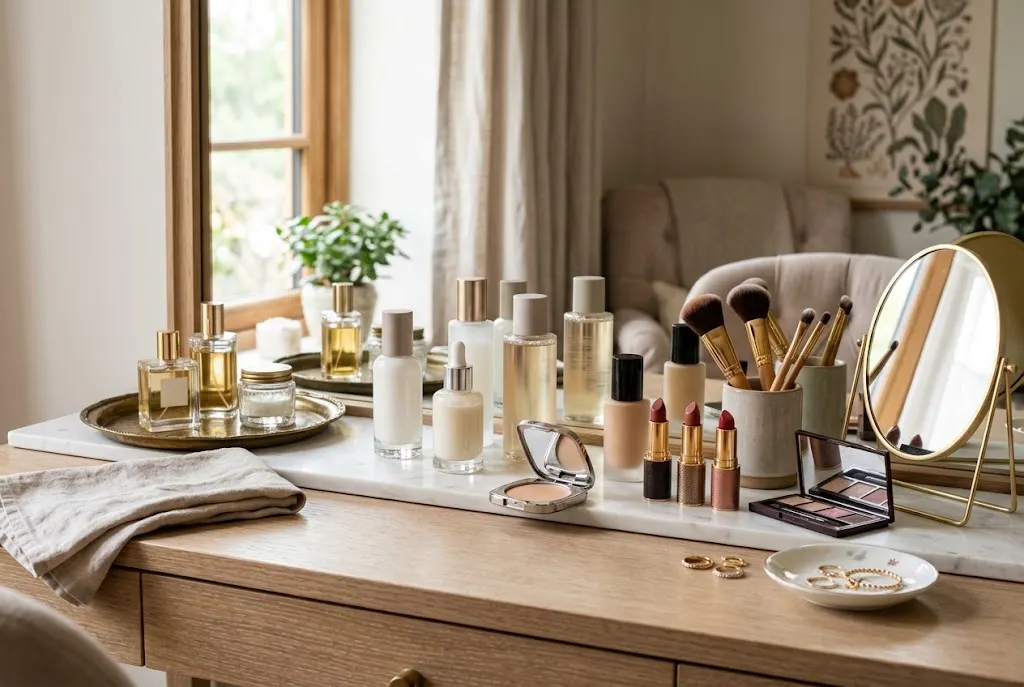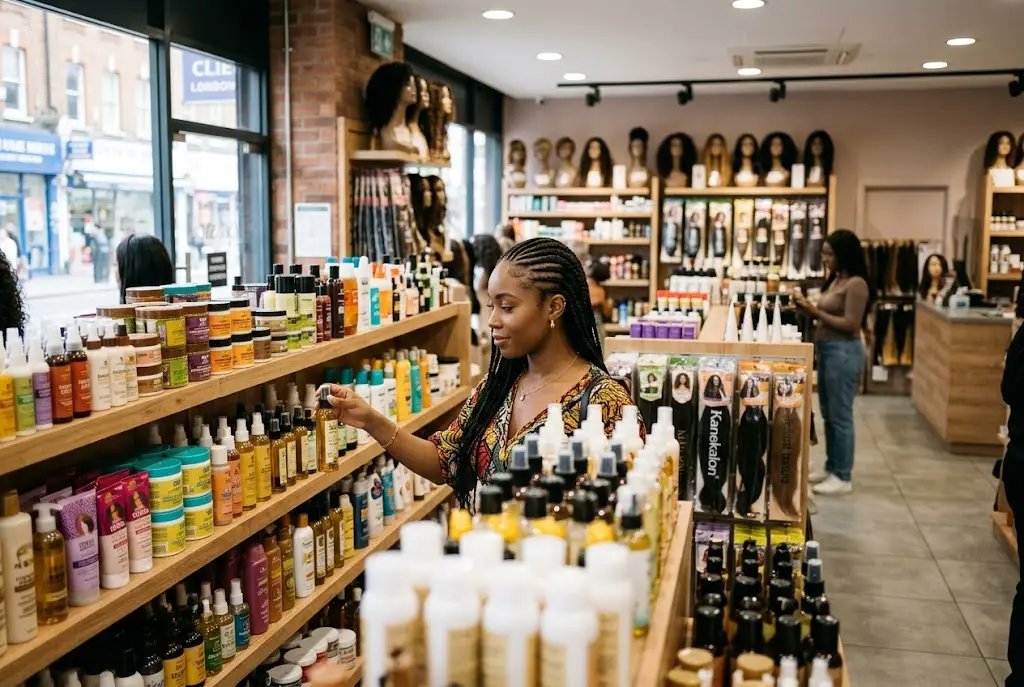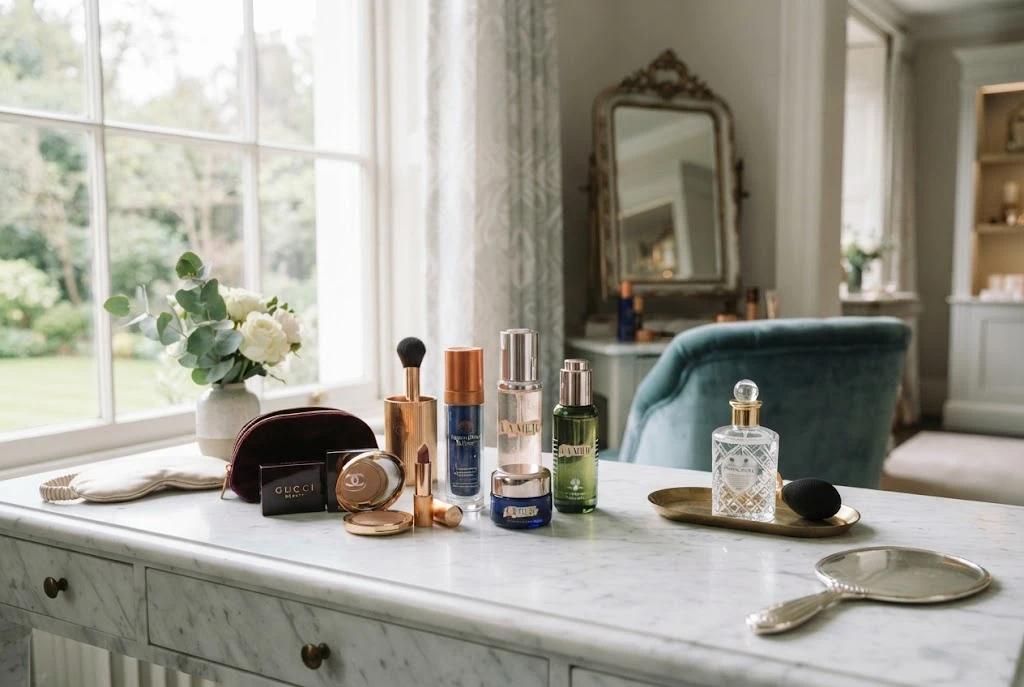
Luxury beauty has become about much more than expensive packaging or prestigious brand names. In the UK, the premium end of the beauty market brings together sophisticated skincare, high-end makeup, distinctive fragrance, specialist treatments and carefully designed customer experiences. For many consumers, the appeal lies in a combination of quality, expertise, sensory enjoyment, exclusivity and the feeling that a product or service has been thoughtfully developed.
The modern luxury beauty customer is also more informed than ever. Before buying an expensive serum, fragrance or makeup product, shoppers can compare formulations, research ingredients, read reviews and explore the reputation of a brand online. As a result, premium positioning increasingly needs to be supported by genuine product quality and a compelling customer experience.
This guide explores what luxury beauty means in the UK, how the sector is changing and what separates premium beauty from the wider cosmetics market.
What Is Luxury Beauty?
Luxury beauty refers to the premium segment of the beauty industry where products and services are positioned around exceptional presentation, craftsmanship, formulation, expertise, exclusivity or experience.
The category commonly includes:
- Luxury skincare and facial products
- Premium makeup and colour cosmetics
- Luxury fragrance and perfume
- High-end haircare
- Specialist beauty treatments
- Exclusive beauty collections
- Premium beauty consultations
- Luxury spas and treatment experiences
Price is one characteristic of this segment, but it does not define luxury on its own. A high price does not automatically make a product luxurious. Consumers may expect premium products to offer a combination of effective formulation, attractive design, thoughtful service, brand heritage and an experience that feels different from everyday purchasing.
Why Luxury Beauty Appeals to UK Consumers
Beauty products can serve practical purposes, but luxury products often add an emotional dimension to the purchase. A premium fragrance can become part of someone’s identity, while an expensive skincare routine may feel like a personal ritual rather than a basic daily task.
This emotional value is particularly important in luxury markets. Consumers may be paying for the complete experience surrounding a product, including its presentation, texture, scent, packaging, customer service and the story associated with the brand.
Luxury beauty can therefore appeal to consumers who want to make everyday routines feel more enjoyable and considered.
Luxury Skincare and the Search for Better Experiences
The Luxury skincare is one of the most visible areas of premium beauty. High-end skincare collections often place considerable emphasis on formulation, texture, sensory experience, packaging and brand expertise.
Consumers researching premium skincare may look closely at ingredients and product purpose rather than simply choosing the most expensive option. They may also be interested in how individual products fit into a broader routine.
This creates an opportunity for brands to educate customers. Instead of relying entirely on aspirational advertising, premium skincare businesses can explain how products are intended to be used, what role they play in a routine and what makes the formulation distinctive.
That educational approach is particularly valuable because modern beauty consumers can access a large amount of information before making a purchase.
What Makes Premium Skincare Different?
Several elements can contribute to the perception of luxury skincare:
- Refined textures and sensory qualities
- Carefully developed formulations
- Distinctive packaging and presentation
- Specialist product positioning
- Detailed customer education
- Personalised consultations or recommendations
- A strong and recognisable brand identity
Ultimately, the strongest premium products need to provide a convincing overall proposition rather than depending on price alone.
Luxury Makeup and Premium Beauty Routines
Luxury makeup occupies another important position within the premium beauty sector. High-end foundations, lip products, eyeshadows, complexion products and brushes can attract consumers who value presentation, performance and the experience of using beautifully designed products.
For some customers, luxury makeup is closely connected with artistry. Professional makeup techniques, carefully selected shades and specialist application advice can make the purchasing experience more personal.
Premium makeup also benefits from the visual nature of beauty. Beautifully designed products can perform well in physical retail environments and digital content, where packaging and application demonstrations help communicate the character of a collection.
Luxury Fragrance and Personal Identity
Fragrance has a particularly strong connection with luxury because scent can become closely associated with memory, mood and personal identity.
Luxury fragrance customers may look for distinctive compositions rather than simply choosing a perfume because it is popular. They may also be interested in fragrance houses, perfumers, ingredient stories, limited collections and the heritage behind a particular scent.
This makes fragrance a highly experiential part of the luxury beauty market. A well-designed fragrance store or consultation can turn product discovery into an experience rather than a straightforward transaction.
In the UK, luxury fragrance can also overlap with gifting, special occasions and personal rituals. That gives premium fragrance brands several ways to connect with customers beyond everyday beauty purchasing.
Luxury Beauty Brands and Brand Storytelling
Brand identity is central to luxury beauty. Customers are often buying into a particular aesthetic, philosophy or heritage as well as the product itself.
Successful luxury beauty brands tend to create consistency across their products, packaging, retail environments, websites, advertising and customer service. This consistency helps consumers understand what the brand represents.
Storytelling can strengthen that positioning when it is supported by genuine information. A brand might communicate its formulation philosophy, creative direction, heritage or approach to craftsmanship. However, exaggerated claims can undermine trust, particularly among increasingly informed consumers.
The best luxury branding therefore combines aspiration with credibility.
Luxury Beauty UK: The Importance of Experience
The UK luxury beauty market is not limited to products. Experiences are becoming an important part of premium positioning.
A luxury beauty experience could involve a personalised skincare consultation, professional makeup service, specialist facial, premium salon treatment or carefully designed shopping appointment.
These experiences allow businesses to differentiate themselves through service rather than competing solely on product features. A customer who receives thoughtful advice and individual attention may remember the experience as strongly as the product itself.
This is particularly relevant for physical beauty businesses. The environment, staff expertise, appointment process and aftercare can all contribute to how customers perceive a premium service.
How Digital Shopping Is Changing Luxury Beauty
Luxury beauty once depended heavily on prestigious department stores, specialist boutiques and high-end counters. Digital commerce has expanded the ways consumers discover and purchase premium products.
Today, customers can research luxury skincare, makeup and fragrance from home. Brand websites, beauty publications, social media, reviews and educational content all influence purchasing decisions.
This does not necessarily reduce the importance of physical experiences. Instead, digital and physical channels can complement one another. A customer might discover a fragrance online, research its notes and then visit a store to experience it in person.
For luxury beauty businesses, the challenge is to make digital interactions feel as considered as their physical environments.
Personalisation in Premium Beauty
Personalisation is increasingly important because beauty needs vary considerably between individuals. Customers may have different skin types, routines, preferences and expectations.
Luxury businesses can respond through consultations, tailored recommendations and curated product selections. The goal is not simply to sell more products but to make customers feel that recommendations are relevant to them.
Personalisation can also strengthen customer loyalty. When a brand remembers preferences and provides useful guidance, the relationship can become more valuable than a single transaction.
Luxury Beauty and Sustainability
Luxury and sustainability are not necessarily opposing ideas. In fact, premium positioning can provide opportunities to focus on durability, thoughtful packaging, refill systems and responsible product development.
Consumers interested in premium beauty may also ask questions about packaging waste, sourcing and the environmental impact of products. This means luxury brands increasingly need to consider how sustainability fits into their overall proposition.
However, environmental positioning needs to be supported by meaningful actions. Simply describing a product as sustainable is unlikely to be enough for consumers who want to understand how packaging, materials or production practices contribute to a lower environmental impact.
Readers interested in this side of the beauty market can explore our guide to sustainable beauty for a broader look at eco-conscious cosmetics and responsible beauty practices.
Luxury Beauty Trends Shaping the UK Market
Several trends are influencing how premium beauty is presented and consumed.
Experience Over Excess
Luxury does not always have to mean buying more products. Increasingly, premium positioning can focus on quality experiences, specialist knowledge and carefully selected routines.
Ingredient-Conscious Consumers
Customers are increasingly willing to research formulations before spending more on beauty products. Brands therefore benefit from clear, accurate and useful product information.
Premium Fragrance
Fragrance remains an important area for luxury beauty because scent offers a highly personal and sensory form of self-expression.
Personalised Beauty
Tailored recommendations and consultations can make premium beauty feel more relevant and individual.
Digital Discovery
Social platforms, online reviews and editorial content allow consumers to discover luxury products before they ever enter a physical store.
These trends sit within the wider changes affecting the UK beauty industry, where consumers increasingly expect brands to combine quality with transparency and meaningful customer experiences.
Luxury Beauty and Consumer Trust
Premium positioning creates high expectations. When consumers spend more, they are likely to pay closer attention to product quality, information and service.
Luxury beauty businesses should therefore make accurate communication a priority. In Great Britain, cosmetic products must meet relevant safety and information requirements before being made available to consumers. GOV.UK guidance states that cosmetic products need a Responsible Person, appropriate product safety documentation, required labelling and notification to the Office for Product Safety and Standards.
Luxury branding does not remove these responsibilities. Whether a product is sold as an affordable cosmetic or a premium skincare item, the underlying regulatory requirements still matter.
For customers, this reinforces the importance of checking product information and buying from reputable sources.
How Luxury Beauty Businesses Can Build Stronger Brands
Businesses entering the premium beauty market need a clear reason for customers to choose them. Simply using elegant packaging or a higher price point is unlikely to create a sustainable luxury position.
A stronger approach can combine several elements:
- A clearly defined target customer
- Distinctive product or service positioning
- High-quality customer education
- Consistent visual identity
- Excellent customer service
- Thoughtful packaging and presentation
- Reliable product information
- A memorable purchasing experience
Content also has an important role. Educational articles about skincare routines, fragrance selection, makeup techniques and premium beauty trends can help businesses attract customers before they are ready to buy.
Instead of treating content as simple advertising, luxury brands can use it to demonstrate expertise and help consumers make informed decisions.
Luxury Beauty as Part of a Modern Lifestyle
For many consumers, luxury beauty is connected with broader lifestyle choices. Skincare can become part of a morning or evening ritual. Fragrance can be associated with identity and occasions. A premium treatment can become a form of relaxation and self-care.
This is why luxury beauty experiences can extend beyond the product itself. The surroundings, service, atmosphere and personal attention can all influence the customer’s perception.
The wider idea of British beauty culture also provides useful context. Beauty habits in Britain have evolved through changing fashion, social trends, retail experiences and personal routines. Understanding that background can help explain why today’s premium beauty market looks the way it does.
The Future of Luxury Beauty in the UK
The future of luxury beauty is likely to be shaped by a combination of premiumisation, personalisation, digital discovery and greater consumer scrutiny.
Consumers may continue to spend on products and experiences that feel genuinely valuable, but they are unlikely to accept luxury positioning without evidence of quality. Brands therefore need to deliver across multiple touchpoints, from formulation and packaging to customer service and digital communication.
The premium market may also become more diverse. Luxury does not have to follow one visual style or appeal to one demographic. Independent brands, specialist products and distinctive cultural perspectives can all create their own versions of premium beauty.
At the same time, sustainability and responsible consumption will remain relevant. Brands that can combine premium experiences with thoughtful environmental practices may be better positioned to meet changing expectations.
Final Thoughts on Luxury Beauty
Luxury beauty represents one of the most experience-driven areas of the modern beauty market. It includes premium skincare, makeup, fragrance, treatments and carefully designed customer journeys, but its appeal goes beyond price.
The strongest luxury beauty brands create a convincing combination of product quality, identity, expertise, presentation and service. As UK consumers become increasingly informed, authenticity and transparency are likely to become just as important as exclusivity.
For businesses, the opportunity is to create meaningful differentiation rather than simply charging more. For consumers, understanding what genuinely contributes to luxury can make it easier to distinguish thoughtful premium products from expensive marketing.
As the luxury beauty market evolves, a growing number of discerning consumers are prioritizing not only quality and exclusivity but also the ethical implications of their purchases. This shift reflects a broader movement towards responsible consumption, where shoppers increasingly seek brands that align with their values, particularly in sustainability. The intersection of luxury and environmental consciousness is paving the way for innovative offerings that combine opulence with eco-friendly practices. Brands are now challenged to deliver not just sophisticated formulations and experiences but also to embrace principles such as minimal waste and renewable resources, thereby redefining what it means to indulge in sustainable beauty. This dual focus on luxury and responsibility is creating a new paradigm, one where the most coveted products are those that contribute positively to both individual wellness and the planet’s health.
As the landscape of luxury beauty continues to evolve, it is crucial to understand the cultural nuances that shape consumer preferences in the UK. This transformation is not only a reflection of global beauty trends but is deeply rooted in the unique characteristics of British beauty culture, where traditional practices often intertwine with modern innovations. The discerning luxury consumer is drawn to brands that authentically represent these regional influences, seeking products that resonate with their heritage while also meeting contemporary standards of quality and efficacy. In this context, exploring the complexities of British beauty culture becomes vital, as it illuminates the diverse factors driving consumer choices and the future direction of the luxury beauty market. Understanding these cultural dynamics allows brands to craft experiences that are not only luxurious but also culturally resonant, ensuring they remain relevant in a competitive landscape.