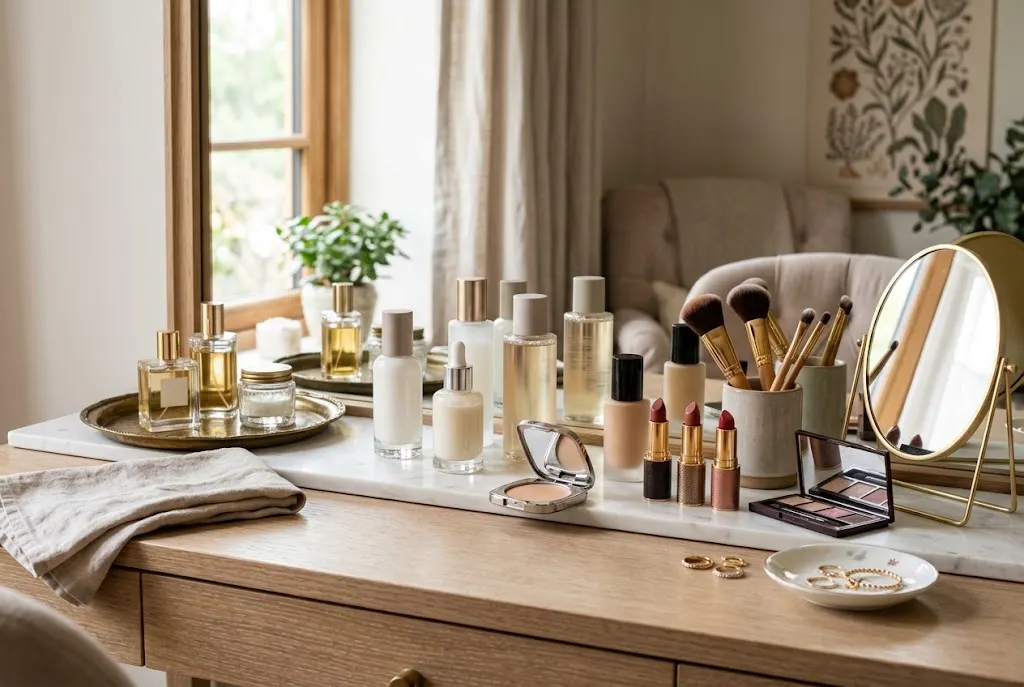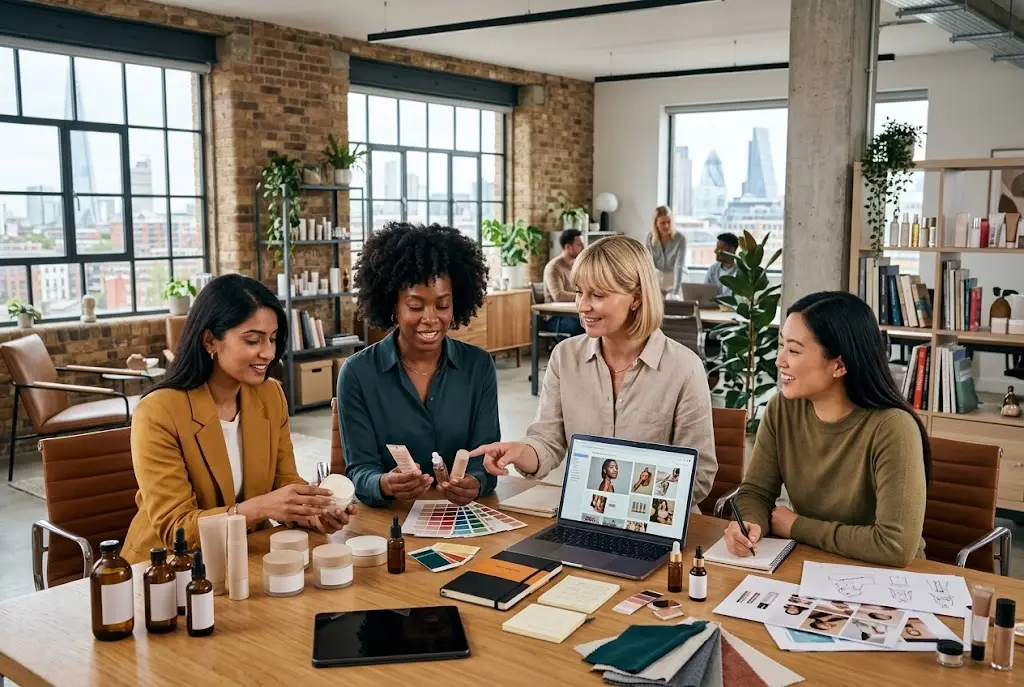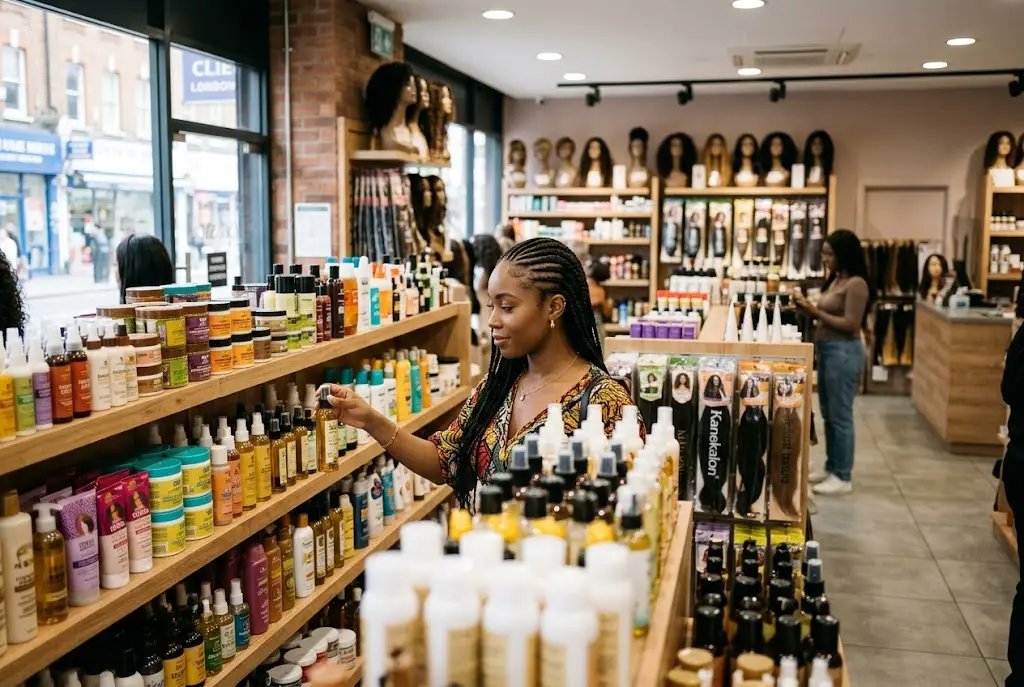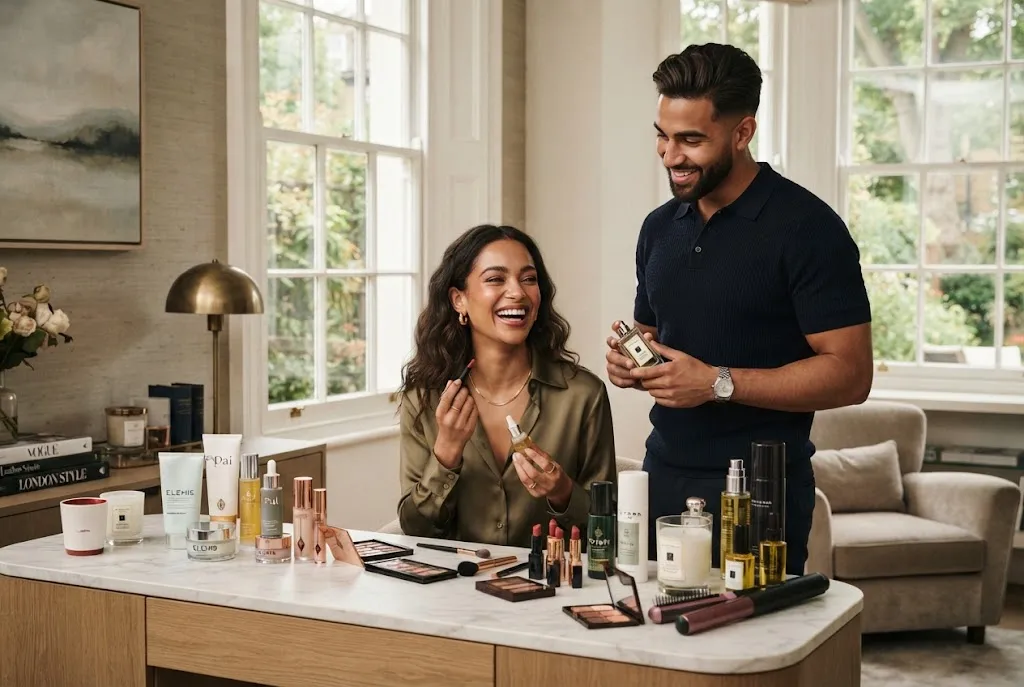
British beauty culture reflects a fascinating combination of tradition, fashion, personal grooming, changing social attitudes and modern consumer trends. Beauty in Britain is not defined by one particular look. Instead, it has developed through generations of changing preferences, regional influences, cosmetics innovation and increasingly diverse ideas about personal style.
From classic fragrance and carefully maintained hairstyles to modern skincare routines and social-media-driven makeup trends, British consumers have continually adapted the way they approach beauty. Today, beauty culture in the UK also includes conversations around inclusivity, sustainability, premium products and individuality.
Understanding this cultural background provides useful context for the wider UK beauty market. It also helps explain why beauty habits can differ between generations, regions and individual communities.
What Is British Beauty Culture?
British beauty culture describes the habits, preferences, traditions, trends and social influences that shape how people in Britain approach personal appearance and beauty.
It can include:
- Skincare and personal-care routines
- Haircare and hairstyling
- Makeup preferences
- Fragrance and grooming
- Beauty salon and treatment culture
- Fashion and beauty trends
- Attitudes towards cosmetics
- Changing ideas about individuality and self-expression
These elements do not remain fixed. Beauty culture changes as technology, fashion, entertainment, social media, retail and consumer expectations develop.
Consequently, the beauty habits associated with Britain today can look very different from those of previous generations.
How Beauty in Britain Has Evolved
British beauty traditions have developed over a long period, influenced by fashion, entertainment, social customs and changing access to cosmetics and personal-care products.
Earlier beauty routines often placed strong emphasis on grooming, presentation and polished appearance. Over time, cosmetics became increasingly accessible, allowing consumers to experiment with colour, hairstyles and different beauty styles.
The rise of television, magazines, celebrity culture and later digital media accelerated this process. Beauty trends could spread more quickly, while consumers gained access to inspiration from Britain and around the world.
Today, online platforms allow trends to develop and disappear at a much faster pace. At the same time, older beauty traditions can be rediscovered and incorporated into modern routines.
British Beauty Trends Across Generations
Different generations often approach beauty in different ways. However, it would be misleading to assume that every member of a generation follows the same habits.
Older beauty routines may have been influenced more heavily by family traditions, magazines, department stores and television. Younger consumers have grown up with online tutorials, social platforms, influencers, reviews and digital shopping.
This has changed how people discover products. A customer can now learn about a skincare ingredient, watch a makeup tutorial and compare several products within minutes.
Despite these differences, some principles remain familiar. Good grooming, personal confidence and finding products that fit individual preferences continue to be important across age groups.
British Beauty Traditions and Everyday Grooming
Beauty traditions in Britain are often closely connected with everyday grooming rather than elaborate rituals alone. Haircare, skincare, fragrance and personal presentation can all form part of an individual’s regular routine.
For many people, beauty is practical as well as expressive. A skincare routine may focus on maintaining comfortable skin, while hairstyling can be influenced by convenience, professional requirements or personal identity.
Fragrance can also play a role in personal presentation. Some people prefer subtle scents for everyday use, while others reserve particular fragrances for evenings or special occasions.
These habits demonstrate that beauty culture is not simply about following trends. It is also about routines that become part of daily life.
Skincare Habits in the UK
Skincare has become an increasingly visible part of modern beauty culture. Consumers have access to a much wider range of products than previous generations, including cleansers, moisturisers, serums, masks and specialist formulations.
Online education has also changed skincare conversations. Consumers can research ingredients, compare routines and learn about different approaches to skin maintenance.
However, more products do not necessarily mean a better routine. Many consumers are becoming more selective and interested in understanding why a particular product is being used.
This shift towards informed purchasing connects British beauty culture with broader developments across the UK beauty industry.
Makeup and British Cosmetics Culture
Makeup has long been an important form of personal expression in Britain. The styles people choose can communicate mood, personality, occasion and individual taste.
British cosmetics culture includes both understated and highly expressive approaches. Some consumers prefer natural-looking makeup, while others enjoy dramatic eyes, bold lips or creative colour combinations.
Modern beauty content has expanded these choices further. Tutorials and product demonstrations allow consumers to experiment with techniques that may previously have been difficult to learn without professional instruction.
The result is a beauty culture in which consumers can move between different styles rather than following one fixed definition of what British beauty should look like.
British Beauty Culture and Hair
Hair is another major part of beauty culture in Britain. Hairstyles can reflect fashion trends, professional environments, cultural influences and individual identity.
British hair culture includes everything from traditional salon services to modern specialist treatments and at-home styling. Hair colour, cutting techniques, texture-focused care and styling products all form part of this wider market.
Social media has also changed the speed at which hairstyles become popular. Consumers can see emerging cuts, colours and styling techniques from different countries almost immediately.
At the same time, local salons continue to play an important role by providing expertise, personal advice and services that cannot always be replicated at home.
Regional Beauty Culture in Britain
There is no single regional beauty culture across the UK. Beauty preferences can vary between cities, towns and communities, influenced by local lifestyles, fashion scenes, climate, cultural backgrounds and access to different products and services.
Large cities often provide consumers with extensive choices, including specialist salons, premium retailers, independent beauty businesses and international brands.
Smaller communities may have a stronger emphasis on local salons, independent practitioners and familiar beauty services.
These differences are useful for businesses because a successful beauty concept in one location may need to be adapted for another audience.
British Beauty Culture and Luxury Beauty
Luxury beauty has an important place within Britain’s broader beauty landscape. Premium skincare, high-end makeup, fragrance and specialist treatments appeal to consumers who value product presentation, service, brand identity and experience.
Luxury does not necessarily represent one particular British aesthetic. Instead, consumers can combine international luxury brands with local beauty services and their own personal preferences.
Our guide to luxury beauty explores this premium segment in more detail, including luxury skincare, makeup, fragrance and high-end beauty experiences.
This overlap demonstrates how British beauty culture can incorporate global influences while still developing its own consumer habits.
Sustainability and Modern Beauty Habits
Environmental considerations have also become part of contemporary beauty conversations. Consumers may think about packaging, product waste, refill systems and the environmental claims made by brands.
This represents a shift from focusing exclusively on appearance and product performance. Some consumers now want to understand how their beauty choices fit into broader lifestyle values.
However, sustainable beauty does not have to mean abandoning established routines. Consumers can make gradual changes by reducing unnecessary purchases, using products efficiently and considering packaging and disposal.
For more practical information, see our guide to sustainable beauty and the changing environmental expectations surrounding modern cosmetics.
British Beauty Trends in the Digital Age
Digital platforms have transformed the way British consumers discover beauty trends.
Social media allows users to encounter new products, techniques and routines through short videos, tutorials, reviews and creator content. A trend can spread rapidly when consumers begin recreating a particular look or recommending a product.
This creates both opportunities and challenges. Consumers have access to more information, but they also encounter a large amount of promotional content.
Learning to distinguish useful education from advertising is therefore becoming an important part of modern beauty literacy.
Beauty Influencers and Changing Consumer Behaviour
Influencers and content creators have become significant sources of beauty inspiration. Their influence can extend from product discovery to application techniques and broader lifestyle choices.
Unlike traditional advertising, creator content often presents products within a personal routine. This can make recommendations feel more relatable, although consumers should still evaluate claims critically.
Reviews can also be useful because they introduce different experiences and perspectives. However, an individual’s experience with a cosmetic product does not guarantee the same result for everyone.
For businesses, this means that authentic education and transparent communication can be more valuable than simply attempting to follow every short-lived trend.
British Beauty Habits and Consumer Data
Culture and statistics complement one another. Data can show what consumers are buying or researching, while cultural analysis can help explain why certain trends resonate.
For example, beauty consumer research can provide insight into skincare purchasing, makeup preferences and shopping behaviour. Readers interested in the measurable side of the market can explore our guide to beauty statistics UK for a broader look at consumer data and market insights.
Combining quantitative information with cultural context provides a more balanced understanding of British beauty habits.
Changing Ideas of Beauty in Britain
One of the most significant developments in modern beauty culture is the broader understanding of what beauty can look like.
Consumers increasingly have access to styles, products and beauty perspectives from different communities and cultures. This has contributed to a more varied beauty environment where individuality can be as important as conformity.
Beauty brands have also expanded the range of products and shades they offer in response to increasingly diverse consumer expectations.
Rather than following one universal ideal, modern British beauty can involve choosing what works for an individual’s appearance, lifestyle and identity.
Beauty Salons and Professional Experiences
Professional beauty services remain an important part of British beauty culture. Salons and specialist practitioners offer expertise that consumers may not have at home.
Services can include hair treatments, facials, manicures, makeup application and other specialist beauty treatments.
For customers, the attraction may be the technical result, but the experience itself can also matter. Appointments can provide time for relaxation, consultation and personal attention.
This experiential element connects everyday beauty services with the broader growth of premium and luxury beauty experiences.
Responsible Beauty and Consumer Awareness
Modern British consumers are increasingly exposed to information about product ingredients, safety, environmental claims and marketing practices.
For businesses selling cosmetics in Great Britain, consumer expectations operate alongside regulatory responsibilities. Cosmetic products placed on the GB market must meet applicable requirements concerning areas such as safety, product information, labelling and notification.
Businesses can consult GOV.UK guidance on cosmetic products available in Great Britain for official information about these responsibilities.
Greater awareness can benefit the industry when it encourages brands to provide clear, accurate information and consumers to make informed choices.
The Future of British Beauty Culture
British beauty culture will continue to evolve as technology, fashion, consumer expectations and global influences change.
Digital platforms are likely to remain important sources of inspiration, while sustainability and product transparency may continue to influence purchasing decisions. At the same time, premium and luxury experiences will continue to appeal to consumers who want more personalised forms of beauty and self-care.
There may also be a stronger balance between global trends and individual expression. British consumers can discover beauty ideas from almost anywhere while adapting them to local lifestyles and personal preferences.
Future beauty culture is therefore unlikely to be defined by one dominant style. Instead, diversity, experimentation and personal choice are likely to remain central.
Final Thoughts on British Beauty Culture
British beauty culture is a constantly developing combination of traditions, personal routines, fashion influences, consumer behaviour and modern beauty trends. From skincare and makeup to haircare, fragrance and professional treatments, beauty plays different roles in the everyday lives of people across Britain.
Regional differences, generational preferences and digital influences have made the beauty landscape more diverse than ever. Consumers can draw from traditional British grooming habits, international trends and entirely new digital beauty movements.
For businesses, understanding this cultural diversity can help create more relevant products, services and content. For consumers, it provides an opportunity to explore beauty on their own terms.
Ultimately, the most interesting characteristic of modern British beauty is its ability to change while continuing to incorporate familiar traditions. The future will likely bring even more choice, personalisation and experimentation, making British beauty culture an important part of the wider UK beauty landscape.
As British beauty culture continues to evolve, brands are finding themselves at a critical juncture where tradition meets innovation. The emphasis on inclusivity and sustainability reflects a deeper understanding of consumer values, urging brands to rethink their strategies in a rapidly changing landscape. To effectively engage with this diverse audience, beauty brands must leverage digital strategies that resonate with contemporary preferences. This includes optimizing their online presence through effective beauty SEO practices. By harnessing the power of keyword research, content creation, and digital PR, brands can position themselves as authorities in the field, driving engagement and loyalty among a more discerning customer base. In this way, the intersection of cultural heritage and modern marketing tactics will shape the future of beauty in the UK.