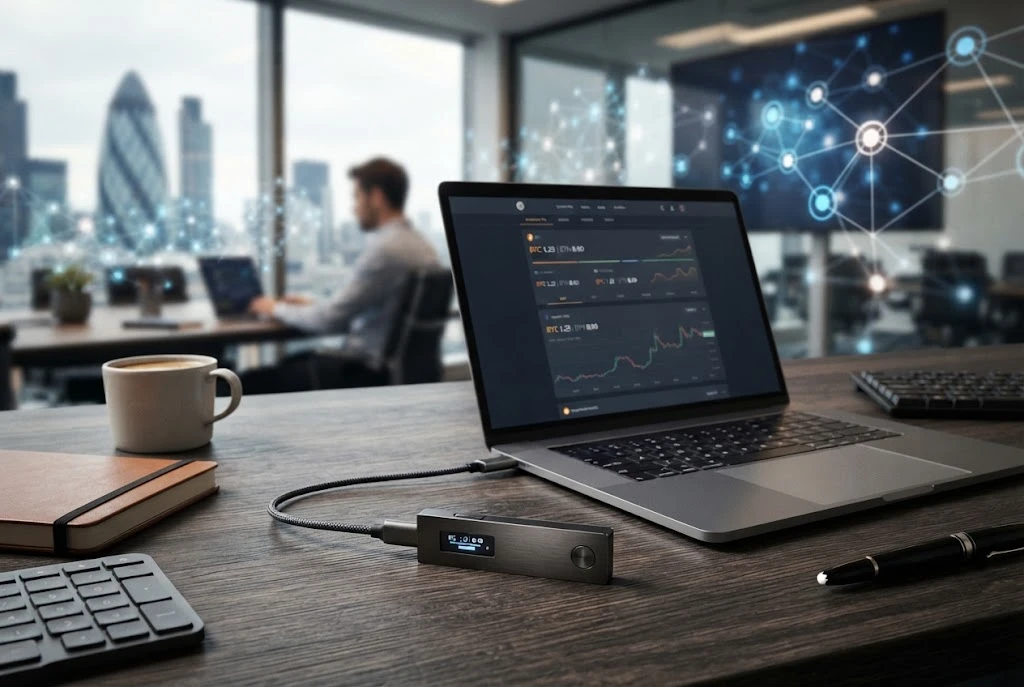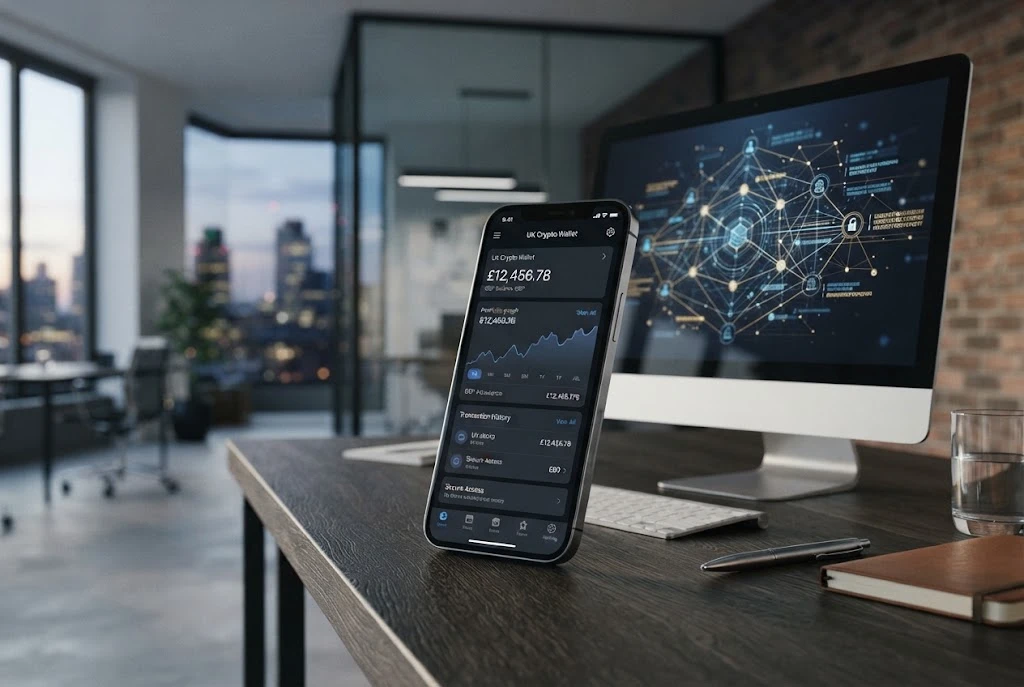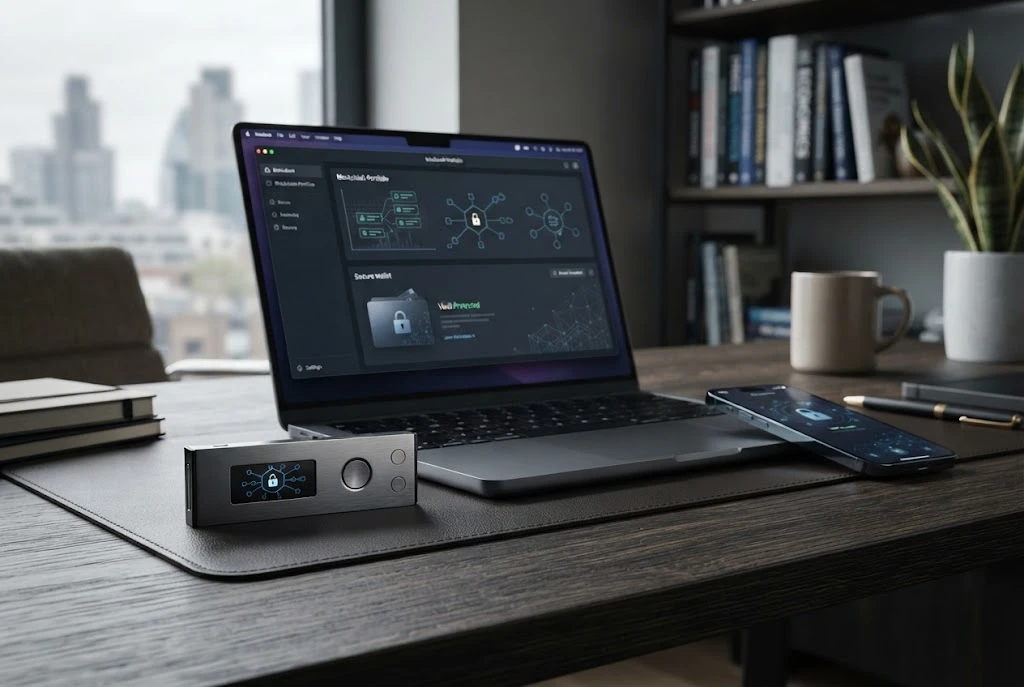
Choosing the best cryptocurrency wallet hardware is an important decision for anyone who wants greater control over their digital assets. Hardware wallets are designed to provide a dedicated environment for managing the private keys or signing credentials associated with cryptocurrency transactions. For users who want to move beyond everyday software wallets, dedicated hardware can provide a different approach to digital asset security and wallet protection.
However, buying a hardware wallet is only the beginning. Users also need to understand how private keys work, how transactions are approved, how recovery information is protected and how the physical device should be handled. These factors are especially important when a wallet is being used to manage assets over a long period.
What Is the Best Cryptocurrency Wallet Hardware?
The best cryptocurrency wallet hardware should be evaluated according to the user’s specific requirements rather than a single universal ranking. Different devices can vary in supported cryptocurrencies, connectivity, security architecture, display capabilities, software compatibility and recovery options.
For someone holding only a few supported cryptocurrencies, extensive compatibility may not be essential. Another user may need a device capable of interacting with several blockchain networks and applications. Similarly, frequent traders may prioritise convenience, while long-term holders may focus more heavily on isolation and recovery.
The most useful comparison therefore starts with the way the device protects sensitive credentials and ends with how comfortably the user can operate it without making avoidable mistakes.
Why Cryptocurrency Wallet Hardware Matters
Cryptocurrency ownership depends on the ability to authorise transactions from the relevant blockchain address. The credentials used for this purpose need to be protected because someone who gains unauthorised control may be able to transfer the associated assets.
A hardware wallet is designed to keep sensitive signing information within a dedicated physical environment rather than relying entirely on an ordinary internet-connected computer or smartphone.
This approach can reduce exposure to certain online threats. However, it does not make cryptocurrency completely risk-free. Phishing, fraudulent transactions, malicious applications, physical theft and compromised recovery information can still create serious security problems.
That is why hardware should be viewed as one component of a wider digital asset security strategy.
How Hardware Wallet Protection Works
Hardware wallets generally work alongside compatible wallet software. The software can provide information about balances and transactions, while the dedicated hardware helps protect the credentials needed to approve transactions.
When a transaction is prepared, the user may review relevant information and confirm the transaction through the hardware device. The precise process varies between products, but the fundamental objective is to keep important signing credentials protected from unnecessary exposure.
This separation can be particularly useful because everyday computers and smartphones are exposed to many different applications, websites and online communications. A dedicated device provides another layer between those environments and the credentials controlling cryptocurrency.
It is important to remember that the cryptocurrency itself is not physically stored inside the device. The blockchain records the relevant assets, while the hardware helps protect the credentials used to control them.
Private Keys and Wallet Protection
Wallet protection begins with understanding private keys and recovery credentials. Users should treat these details as highly sensitive information because they can provide access to cryptocurrency assets.
A hardware wallet can help keep private keys isolated, but users remain responsible for protecting the recovery information associated with the wallet. If someone obtains that information, the security benefits of the physical device may be significantly reduced.
Recovery details should therefore be kept somewhere secure and private. They should not be photographed, uploaded to cloud storage or copied into ordinary documents that could later be accessed by an unauthorised person.
Users should also be suspicious of messages claiming that a wallet needs to be “verified” by entering a recovery phrase on a website. Requests for sensitive recovery information should always be treated with extreme caution.
Important Features to Compare
Before selecting cryptocurrency wallet hardware, compare the features that directly affect how you will use and protect the device.
Supported Assets and Networks
Check whether the hardware supports the cryptocurrencies and blockchain networks you intend to manage. A device may support a large number of assets while requiring specific compatible applications for individual networks.
Future requirements are also worth considering. If you expect your digital asset portfolio to expand into different blockchain ecosystems, broader compatibility may be useful.
Transaction Confirmation
The device should provide an understandable method for confirming transactions. Being able to review transaction details before approving them can help reduce the risk of authorising an unintended transfer.
Users should develop the habit of checking important transaction information rather than automatically confirming every request presented by connected software.
Display and Interface
A clear physical display can make a hardware wallet easier to use because important information can be checked directly on the device. This can be useful when verifying transaction details before signing.
Interface design also matters. A complicated setup or confusing navigation may increase the likelihood of mistakes, particularly for users who are new to self-custody.
Connectivity Options
Hardware wallets may use different connection methods depending on the model. USB connections, wireless connectivity and other interfaces can affect convenience and the way the device fits into an individual’s security workflow.
Convenience should be balanced with the user’s preferred security practices rather than treated as the only deciding factor.
Best Cryptocurrency Wallet Hardware for Different Users
Different users can reasonably prioritise different hardware characteristics.
For Long-Term Holders
Someone intending to hold cryptocurrency for a long period may place greater importance on reliable recovery procedures, strong key protection and straightforward offline storage practices.
For these users, convenience may be less important than establishing a secure system that can remain reliable even when transactions are infrequent.
For Active Users
People who make transactions more regularly may place greater emphasis on fast setup, software compatibility, transaction visibility and an interface that is easy to operate.
Even active users should avoid sacrificing essential security practices simply to save a few seconds during a transaction.
For Multi-Asset Users
Users managing several cryptocurrencies should pay close attention to supported networks and compatible wallet applications. The number of supported assets alone is not enough; the actual functionality available for those assets also matters.
Hardware Wallets and Cold Storage
Hardware wallets are closely associated with cold-storage strategies because they can help keep important credentials separated from everyday online environments.
Cold storage can be useful when the objective is to reduce online exposure. However, physical security becomes more important as online exposure decreases. The device, recovery information and backup process all need to be considered together.
A user who stores a hardware wallet securely but leaves the recovery phrase in an easily accessible location may still create a serious security weakness.
For a broader introduction to dedicated devices and cold-storage technology, readers can also explore hardware cryptocurrency wallet technology.
Common Wallet Hardware Security Mistakes
Even well-designed hardware can be compromised by poor operational practices. Common mistakes include:
- Purchasing a device from an unknown or unreliable seller.
- Using a recovery phrase supplied by another person.
- Entering recovery information into websites or online forms.
- Approving transactions without checking the details.
- Installing unofficial wallet software.
- Ignoring suspicious messages claiming to offer wallet support.
- Failing to create a secure recovery plan.
- Leaving the physical device and recovery information accessible to others.
These risks demonstrate why digital asset security depends on both technology and user behaviour.
Buying Cryptocurrency Wallet Hardware Safely
Where you obtain a hardware wallet can be just as important as which model you select. Users should favour trustworthy purchasing channels and avoid suspiciously discounted devices from unknown sources.
After receiving a device, follow the manufacturer’s official setup process. A legitimate setup should allow the user to establish their own wallet and recovery information rather than relying on credentials supplied by an unknown seller.
If a supposedly new device arrives with a pre-written recovery phrase or instructions asking the user to use a particular recovery phrase, stop and investigate before transferring any cryptocurrency.
Software and firmware should also be obtained through appropriate official channels. Users should be wary of links received through unsolicited messages, advertisements or support conversations.
Hardware Wallets Do Not Eliminate Every Risk
One common misconception is that purchasing a hardware wallet automatically makes cryptocurrency secure. In reality, the device addresses only certain parts of the security problem.
Phishing attacks can still trick users into approving transactions. Fraudulent websites can still present misleading information. Social engineering can still persuade people to reveal confidential information. Physical theft can also become a concern.
For this reason, hardware wallet protection should be combined with careful browsing habits, secure device management and disciplined transaction verification.
Hardware and Software Wallets Work Together
A hardware wallet does not necessarily replace software wallet technology. In many setups, the physical device works with a compatible application that provides the user interface for managing cryptocurrency.
This arrangement can offer a practical combination of convenience and dedicated credential protection. The software provides the tools needed to view and prepare transactions, while the hardware provides a separate environment for sensitive signing operations.
Users considering their first wallet can review the broader UK cryptocurrency wallet selection process before deciding whether dedicated hardware fits their requirements.
Creating a Strong Wallet Security Routine
Technology works best when supported by consistent habits. A strong routine can include checking transaction details before approval, keeping recovery information private, maintaining secure access to the physical device and avoiding unofficial wallet software.
Users should also understand their own recovery process before storing significant assets. Knowing how a replacement device would be configured can prevent confusion during an emergency.
For larger holdings, it may also be useful to think carefully about physical access, backup arrangements and who, if anyone, should know about the existence of the wallet.
Final Thoughts
The best cryptocurrency wallet hardware is not simply the device with the most features. It should provide a security model that matches the user’s needs while remaining practical enough to use correctly.
Supported assets, software compatibility, transaction verification, recovery procedures, connectivity and physical security are all important considerations. More importantly, users need to understand that a hardware wallet protects only part of the cryptocurrency security process.
Good wallet protection combines dedicated hardware with responsible key management, careful transaction verification and awareness of common scams. When these elements work together, hardware can become a useful component of a broader self-custody strategy.
The next topic in this cryptocurrency cluster moves from wallet protection into the payments side of digital assets, examining how to buy cryptocurrency with a credit card and the technology supporting modern crypto payments.