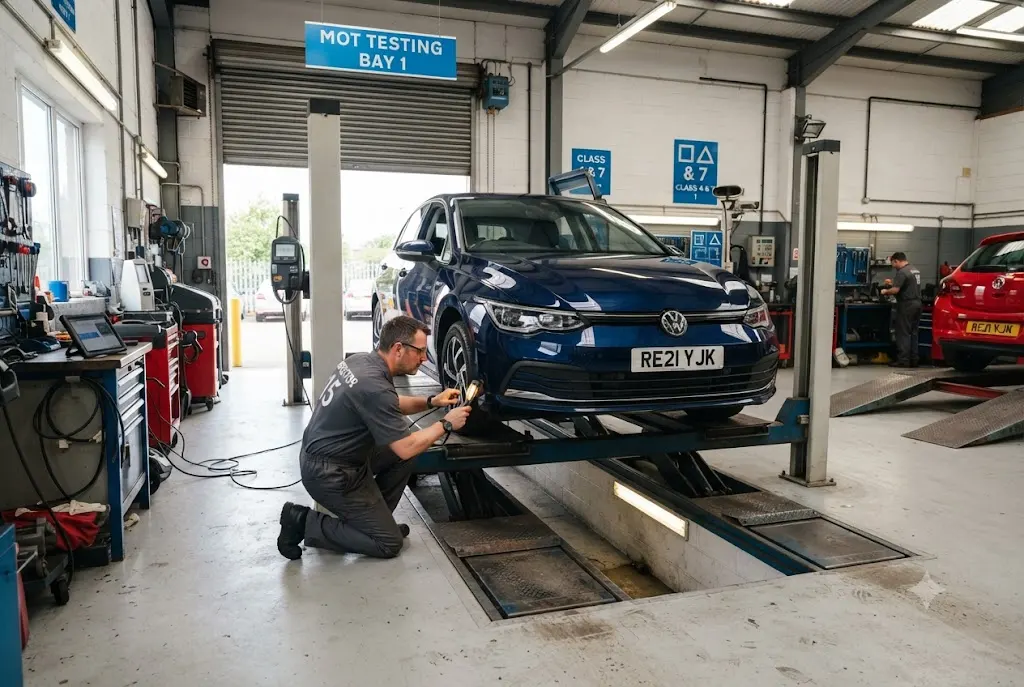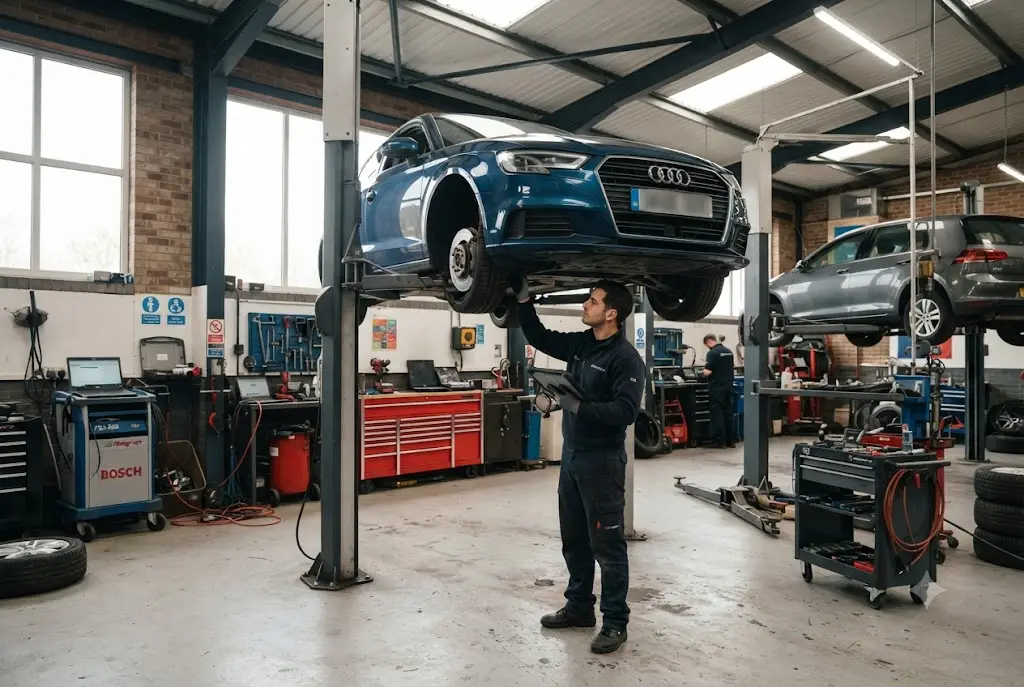
Understanding car repair cost is an important part of vehicle ownership. Whether you’re dealing with a minor issue, routine maintenance, or a major mechanical failure, repair expenses can vary significantly depending on the vehicle, the type of repair required, and labour rates.
Many motorists are caught off guard by unexpected repair bills because they are unsure what influences pricing. While some repairs are unavoidable, understanding common repair costs and preventative maintenance can help reduce long-term ownership expenses. In this guide, we’ll explore the factors that affect repair prices, common vehicle repairs, and practical ways to keep costs under control.
What Affects Car Repair Cost?
There is no fixed answer to vehicle repair pricing because multiple variables influence the final bill.
The most common factors include:
- Vehicle make and model
- Age of the vehicle
- Parts availability
- Labour rates
- Repair complexity
- Location of the repair centre
- Use of genuine or aftermarket parts
Premium and luxury vehicles often cost more to repair because parts and specialist labour can be significantly more expensive.
Vehicle Repair Costs: Common Categories
Vehicle repair costs generally fall into several categories.
Routine Maintenance
- Oil changes
- Filter replacements
- Brake inspections
- Tyre maintenance
- Battery checks
These services are usually predictable and help prevent more expensive repairs later.
Wear and Tear Components
- Brake pads
- Brake discs
- Tyres
- Suspension components
- Drive belts
These parts naturally wear out over time and require periodic replacement.
Mechanical Repairs
- Engine repairs
- Transmission repairs
- Cooling system repairs
- Electrical faults
- Fuel system repairs
Mechanical issues often represent the highest repair expenses.
Auto Repair Cost vs Preventative Maintenance
One of the most effective ways to reduce auto repair cost is preventative maintenance.
Routine servicing helps identify developing problems before they become major failures. For example, replacing worn components during scheduled maintenance is often far cheaper than repairing damage caused by complete component failure.
Regular servicing can significantly extend the lifespan of critical vehicle systems.
Why Servicing Helps Reduce Repair Bills
Many expensive repairs begin as minor issues that were not identified early enough.
Following a maintenance schedule helps technicians detect:
- Fluid leaks
- Worn belts
- Brake wear
- Battery deterioration
- Ignition system issues
- Suspension problems
If you’re unsure about maintenance intervals, our guide on when is my car service due explains how to determine the correct servicing schedule.
Common Automotive Repair Cost Factors
When evaluating an automotive repair cost, repair centres typically calculate expenses using two primary components.
Parts
Replacement components often account for a significant portion of the total invoice.
Labour
Labour charges vary depending on the complexity of the repair and local market rates.
Simple repairs may require less than an hour, while major repairs can involve many hours of diagnostic and repair work.
Car Repair Charges for Ignition System Problems
Ignition-related faults are relatively common in petrol-powered vehicles.
Problems involving spark plugs, ignition coils, or electrical systems can affect performance and fuel efficiency.
Routine maintenance items such as spark plugs replacement are usually far less expensive than repairing damage caused by prolonged ignition issues.
Addressing symptoms early often prevents more costly repairs later.
How Vehicle Age Influences Repair Costs
As vehicles age, repair frequency often increases.
Older vehicles may experience:
- Component wear
- Corrosion
- Electrical issues
- Suspension deterioration
- Cooling system problems
However, older vehicles may also benefit from lower insurance costs and lower depreciation compared with newer models.
How Service History Can Reduce Repair Expenses
A documented maintenance history provides valuable insight into previous repairs and servicing.
Keeping a detailed service log book helps technicians understand what work has already been completed and may prevent unnecessary diagnostic costs.
Complete service records can also increase vehicle value and improve buyer confidence.
Should You Repair or Replace an Older Vehicle?
When repair costs begin increasing, many owners wonder whether replacing the vehicle makes more financial sense.
Factors worth considering include:
- Vehicle age
- Current market value
- Repair frequency
- Overall condition
- Expected future maintenance
In many situations, repairing an otherwise reliable vehicle remains more economical than purchasing a replacement.
How Labour Rates Affect Auto Repair Rates
Auto repair rates vary significantly across the UK.
Factors affecting labour pricing include:
- Geographic location
- Garage reputation
- Manufacturer specialisation
- Technical complexity
- Diagnostic requirements
Specialist repair centres may charge higher hourly rates but often provide expertise for specific vehicle brands.
How New Vehicles Can Reduce Repair Costs
Newer vehicles generally require fewer repairs during their early years, provided maintenance schedules are followed.
Understanding when does a new car need servicing can help owners protect warranties and reduce the likelihood of preventable mechanical issues.
Early maintenance remains one of the best investments in long-term vehicle reliability.
Ways to Reduce Car Fix Prices
Although repairs are sometimes unavoidable, several strategies can help reduce car fix prices.
- Follow manufacturer service schedules
- Address warning signs early
- Keep accurate maintenance records
- Check fluid levels regularly
- Maintain correct tyre pressures
- Use reputable repair centres
- Request detailed repair estimates
Preventative care almost always costs less than major repairs.
Consumer Advice for Vehicle Repairs
The AA servicing and repair advice recommends regular maintenance and early diagnosis of problems to improve reliability and minimise unexpected repair expenses.
Understanding your vehicle’s maintenance requirements can help reduce long-term ownership costs.
Conclusion
Car repair cost varies widely depending on the repair required, vehicle type, labour rates, and maintenance history. While some repairs are unavoidable, many expensive issues can be prevented through routine servicing and early intervention.
By following manufacturer recommendations, maintaining service records, and addressing small issues before they escalate, UK drivers can significantly reduce repair expenses and keep their vehicles operating reliably for years to come.
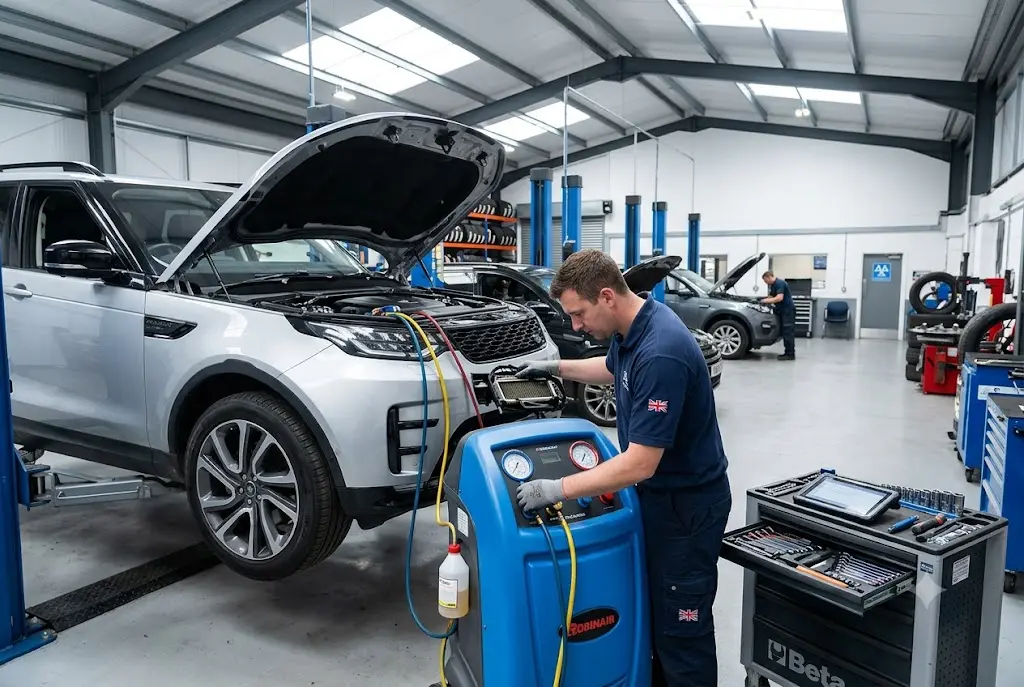
As UK drivers navigate the complexities of vehicle maintenance, it’s essential to recognize that not all repairs are created equal, particularly when it comes to specific systems like air conditioning. Understanding the nuances of repair costs associated with components such as the A/C unit can significantly impact a driver’s overall budget. Factors influencing these costs range from the make and model of the vehicle to the specific issues at hand. For those facing challenges with their vehicle’s cooling system, gaining insights into typical service prices and identifying common problems can help in preparing for necessary expenses. More detailed information on this subject can be found in our guide to car air conditioning repair, which outlines essential aspects that every driver should consider to ensure optimal performance and longevity of their vehicle’s climate control system.