A car inspection can give you valuable information about a used vehicle before you commit to buying it. A clean-looking car may still have mechanical, structural, electrical or safety-related problems that are difficult to spot during a short viewing or test drive.
Whether you are buying privately, purchasing from a dealer, or considering a vehicle located several miles away, an independent inspection can help you understand the condition of the car and make a more informed decision. It can also give you useful evidence when negotiating the purchase price.
This guide explains what a vehicle inspector checks, what an independent car inspection involves, what you can expect from a car inspection report, and how services such as an AA vehicle inspection compare with a standard pre-purchase inspection.
What Is a Car Inspection?
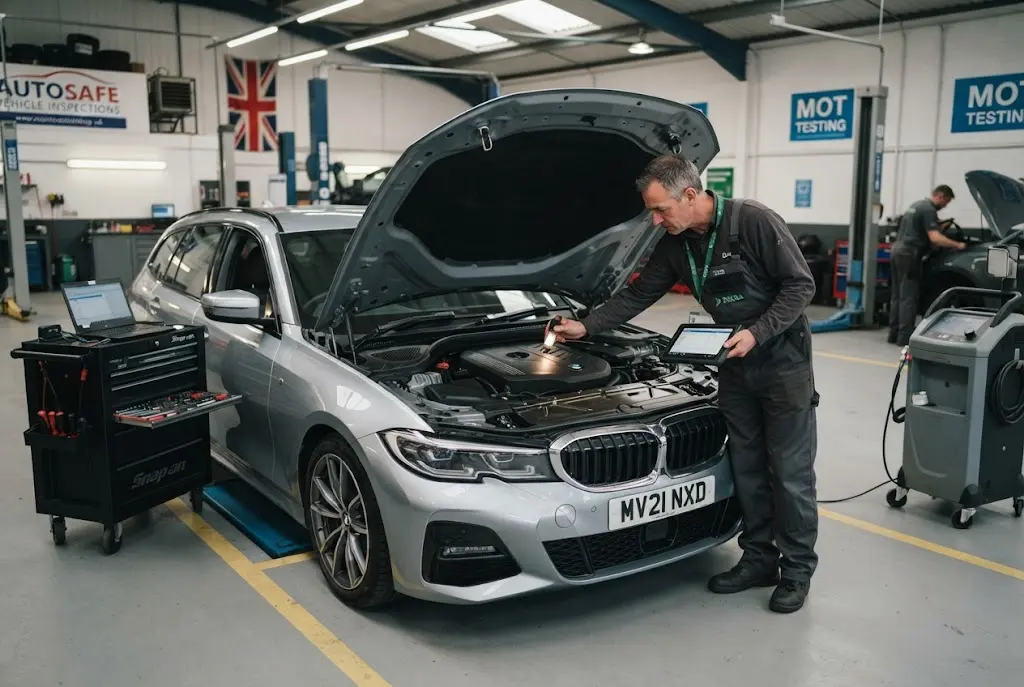
A car inspection is a structured assessment of a vehicle’s condition. Depending on the service selected, the inspection may cover the exterior, interior, engine bay, mechanical components, tyres, brakes, electrical systems, bodywork and other visible areas.
A professional vehicle inspector normally looks for signs of wear, damage, poor repairs, corrosion, leaks and other issues that could affect the vehicle’s safety, reliability or value.
The depth of the inspection depends on the package. A basic inspection may concentrate on visual checks and a short road test, while a more comprehensive inspection can include additional mechanical checks, photographs and a more detailed assessment.
Why Get an Independent Car Inspection?
An independent car inspection is particularly useful when you are buying a used vehicle and want an objective assessment before making a financial commitment.
A seller may know the vehicle well, but their description is not a substitute for an independent assessment. An inspection gives you another source of information and can help identify issues that are not obvious from photographs or a normal viewing.
This can be especially helpful when:
- You are buying a relatively expensive used car.
- The vehicle has high mileage.
- You are purchasing a car privately.
- The car has a previous accident or repair history.
- You cannot inspect the vehicle yourself.
- The vehicle is located far away.
- You are unsure whether the asking price reflects its condition.
If an inspection identifies significant problems, you can decide whether to walk away, negotiate a lower price or ask for repairs before completing the purchase.
What Does a Vehicle Inspector Check?
The exact inspection points vary between providers, but a professional vehicle inspector will generally assess several important areas of the car.
Exterior and Bodywork
The exterior inspection can identify visible damage, dents, scratches, corrosion and signs of previous repairs. Differences in paint finish or panel alignment may also indicate that parts of the vehicle have been repaired or replaced.
These checks are useful because cosmetic repairs can sometimes hide more substantial damage. However, the inspection should clearly explain its limitations rather than suggesting that a visual assessment can prove the complete accident history of a vehicle.
Engine and Mechanical Components
Depending on the inspection level, the inspector may assess visible engine components, fluid levels, signs of leaks and general mechanical condition. Some inspection packages also include additional mechanical checks.
A pre-purchase inspection is not necessarily a complete mechanical diagnosis. If you already suspect a specific fault, you may need a separate diagnostic or repair assessment.
Tyres, Brakes and Suspension
Tyres, braking components and suspension are important areas because their condition can influence both safety and future maintenance costs.
An inspection can identify visible wear or obvious concerns and help you understand whether maintenance may be required soon. More comprehensive inspections can provide greater detail where the inspection package allows it.
Interior and Electrical Systems
The interior can reveal wear that may be consistent with the vehicle’s age and mileage. An inspector may also check selected electrical equipment, controls and warning lights depending on the inspection level.
Issues with air conditioning, windows, dashboard warning lights, infotainment equipment or other electrical features may not be obvious from a quick exterior viewing, so it is worth asking what the chosen inspection actually includes.
What Is Included in a Car Inspection Report?
A car inspection report records the findings from the inspection and can make it easier to understand the vehicle’s condition before you buy it.
The format varies by provider. A report may include descriptions of faults or observations, photographs, inspection results and recommendations. Some advanced inspection packages can provide more extensive photographic or video evidence.
The report should be read alongside the inspection’s terms and limitations. For example, an inspection may be visual and may not involve dismantling components. That means a report should not be treated as a guarantee that the vehicle is completely free from mechanical faults.
If you are considering a car with an uncertain history, keep the report with the other purchase documents. It can provide a useful record of the vehicle’s condition at the time it was inspected.
AA Car Inspection: What Does It Include?
One well-known option in the UK is an AA car inspection. The AA currently offers three levels of pre-purchase vehicle inspection: Basic, Comprehensive and Advanced.
The AA states that its inspections are visual checks and do not include mechanical dismantling. Its Basic inspection includes up to a 98-point check and a basic road test, while higher inspection levels provide additional checks and more detailed reporting.
The AA’s current published prices list the Basic inspection at £99 for members and £110 for non-members. Comprehensive inspections are listed at £197–£287 for members and £219–£319 for non-members, while Advanced inspections are listed at £251–£305 for members and £279–£339 for non-members. Prices for the higher-level inspections depend on vehicle type and engine size.
Because inspection packages and prices can change, it is sensible to check the provider’s current terms and pricing before booking. The AA also explains that its inspection provides a general assessment rather than a diagnosis of a specific fault.
How Much Does an AA Vehicle Inspection Cost?
If you are searching for the AA vehicle inspection cost, there is no single price for every inspection level.
The current AA pricing structure demonstrates why it is important to compare the level of inspection rather than simply looking at the headline price. A basic assessment may be suitable for a straightforward purchase, while a higher-value or more complex vehicle may justify a more comprehensive inspection.
When comparing an AA vehicle inspection price with another provider, look at what is included. Two inspections can have different prices because they cover different numbers of checks, reporting features and road-test requirements.
You can review the AA’s current inspection packages and limitations on its official vehicle inspection information page before deciding which type of assessment is appropriate.
Car Inspection vs MOT: What Is the Difference?
A car inspection and an MOT are not the same thing.
An MOT is a legally regulated test that checks whether a vehicle meets the required standards at the time of the test. A pre-purchase inspection is intended to give a buyer more information about the vehicle’s overall condition.
A car can have a current MOT and still require maintenance or have issues that are outside the scope of an MOT. Therefore, an MOT certificate should not automatically replace a detailed pre-purchase inspection when you are considering a significant used-car purchase.
If you are also researching the cost of an MOT, our guide to how much an MOT for a car costs explains the current statutory maximum for a standard car and other factors that can affect the overall bill.
When Should You Arrange a Car Inspection?
The ideal time is before you complete the purchase.
Arrange the inspection after you have found a vehicle you are seriously considering but before paying a non-refundable deposit or finalising the transaction. This gives you the opportunity to use the findings when making your decision.
For a private sale, you should agree with the seller that an independent inspector can examine the vehicle. If the seller refuses a reasonable inspection without a convincing explanation, consider whether you are comfortable proceeding.
For cars being sold remotely, an inspection can be even more useful because you may not have an opportunity to see the vehicle personally before travelling or arranging delivery.
What Can You Do If an Inspection Finds Problems?
Finding faults does not automatically mean you should reject the car. The importance of each issue depends on its severity, repair cost, safety implications and the vehicle’s overall value.
Start by separating minor wear from significant mechanical or structural concerns. Routine items such as worn tyres or brake components may be manageable if the purchase price reflects the required maintenance.
More serious findings deserve greater caution. If the inspection identifies substantial damage, major mechanical concerns or evidence that the vehicle has been poorly repaired, obtain professional advice before proceeding.
You can also use the report during price negotiations. If the vehicle requires immediate work, calculate the likely cost and consider whether the adjusted purchase price still represents good value.
Can a Car Inspection Save You Money?
An inspection is an additional expense, but it can potentially prevent a much larger unexpected repair bill.
Consider a used car that appears reasonably priced but has hidden mechanical or structural problems. If those problems only become apparent after purchase, you may have limited options and could face substantial repair costs.
An inspection does not eliminate that risk completely. Instead, it gives you more information before you make the decision.
This is particularly valuable when buying a vehicle at the higher end of your budget. Spending a relatively small amount on independent information can make sense when the alternative is committing thousands of pounds to a vehicle you have not properly assessed.
Questions to Ask Before Booking an Inspection
Before choosing an inspection provider, ask what the service actually covers. The cheapest inspection is not necessarily the best option if it excludes the areas you are most concerned about.
- How many inspection points are included?
- Is a road test included?
- Are photographs provided?
- Is the report delivered digitally?
- Are mechanical components physically inspected?
- Does the inspection include a diagnostic check?
- Are accident or bodywork concerns assessed?
- What are the inspection’s limitations?
- Can the inspection take place at the seller’s location?
Clear answers to these questions make it easier to compare inspection providers on value rather than price alone.
How Car Inspection Services Fit Into Your Buying Decision
A professional inspection should be one part of your used-car research rather than the only check you perform.
You should also review the vehicle’s documentation, service history, mileage information and MOT history where appropriate. A test drive can provide additional information about how the car behaves on the road, while a history check may reveal information that cannot be established through a physical inspection alone.
If the vehicle needs work after purchase, understanding your options for mobile mechanic prices can also help you estimate potential maintenance costs. For larger unexpected bills, you may want to understand finance for car repairs before committing to a vehicle that could require significant work.
Final Thoughts on Car Inspection Services
A car inspection can be a practical safeguard when buying a used vehicle. It gives you an independent view of the car’s condition and may identify issues that are difficult to spot during a normal viewing.
The right inspection depends on the vehicle, its value and your concerns. A basic assessment may be enough for some purchases, while a comprehensive or advanced inspection can make more sense for an expensive, high-mileage or otherwise complicated vehicle.
Most importantly, understand what the inspection covers and what it does not. A professional report is valuable because it improves your information before purchase, not because it guarantees that a vehicle will never develop a problem.
Once you combine the inspection with the car’s history, MOT information, service records, test drive and asking price, you are in a much stronger position to decide whether the vehicle is worth buying.